



About
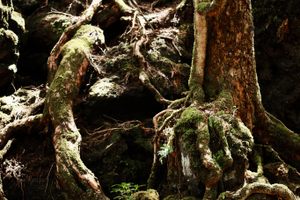
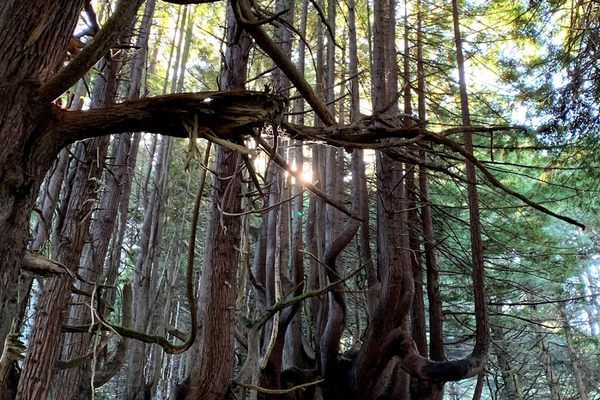
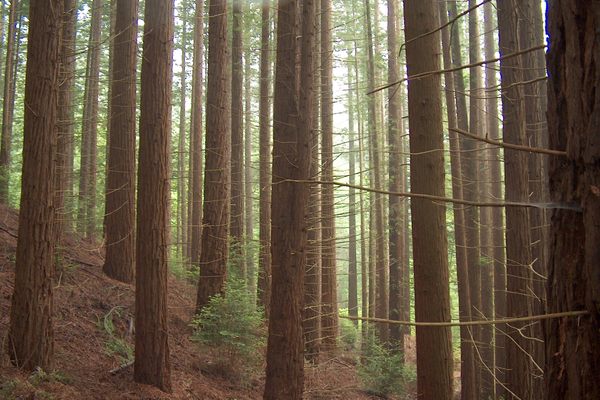
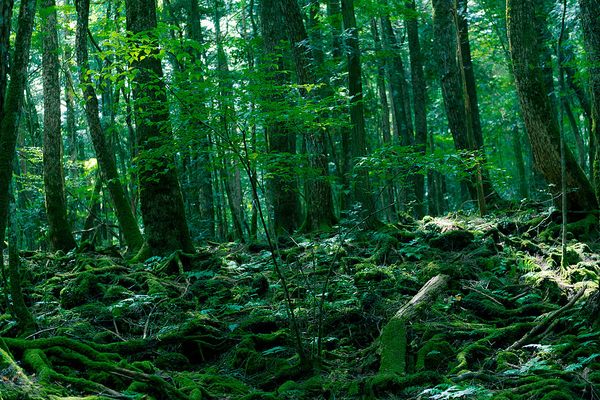
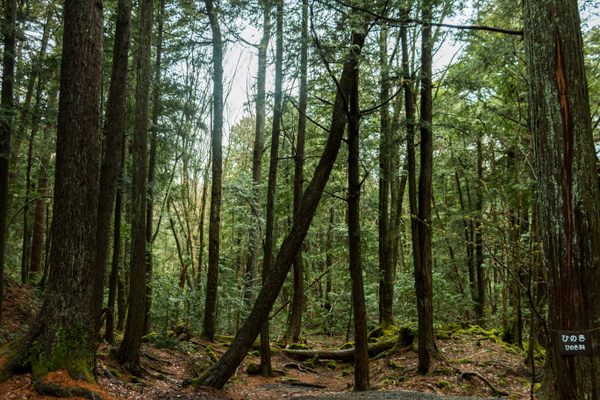
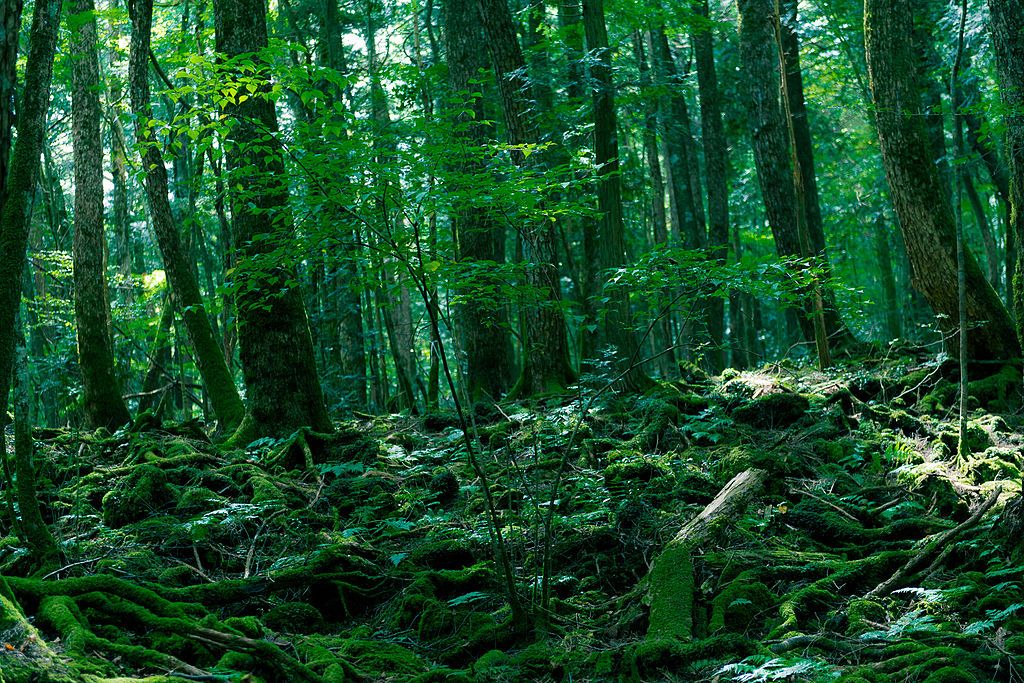
The Aokigahara forest in Japan has the unfortunate distinction of being a destination for people who are contemplating suicide. Since the 1950s, recorded suicides in the forest have been rising at an increasing rate of between 10 and 30 per year. In 2003, a record number of suicide victims were discovered here.
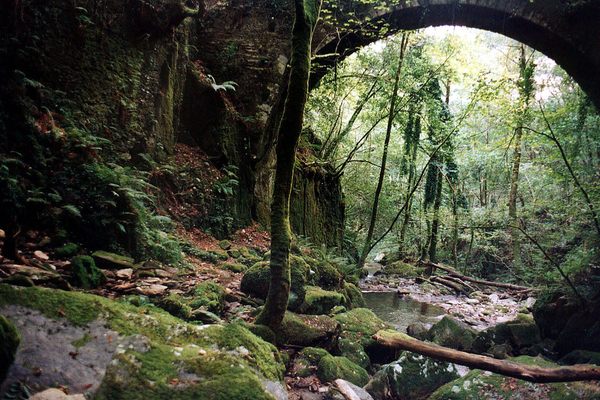
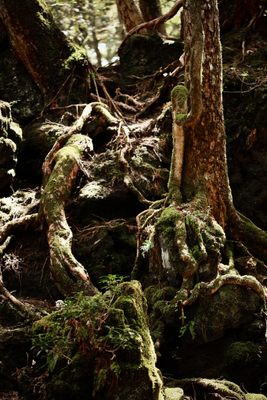
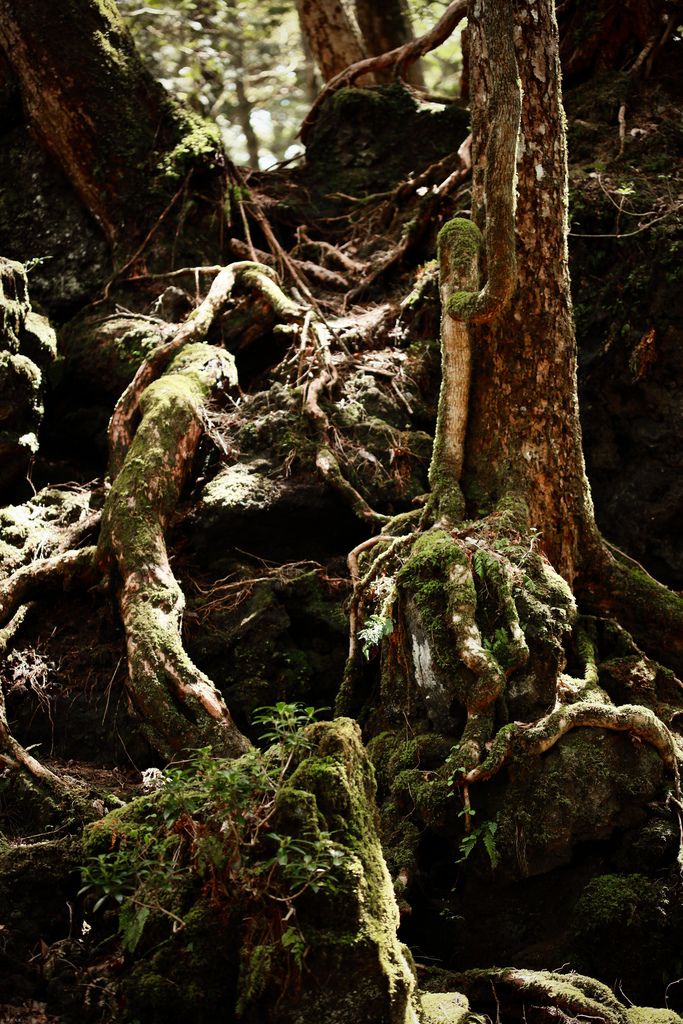
Japanese spiritualists believe that the suicides committed in the forest have permeated Aokigahara's trees, generating paranormal activity and preventing many who enter from escaping the forest's depths. Complicating matters further is the common experience of compasses being rendered useless by the rich deposits of magnetic iron in the area's volcanic soil.
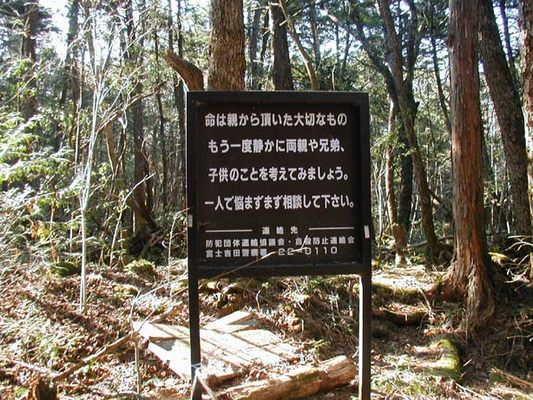
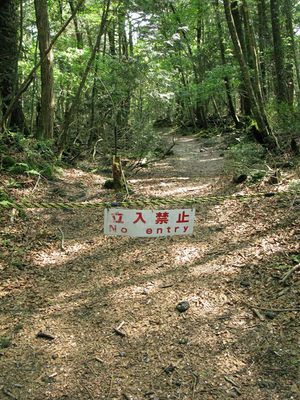
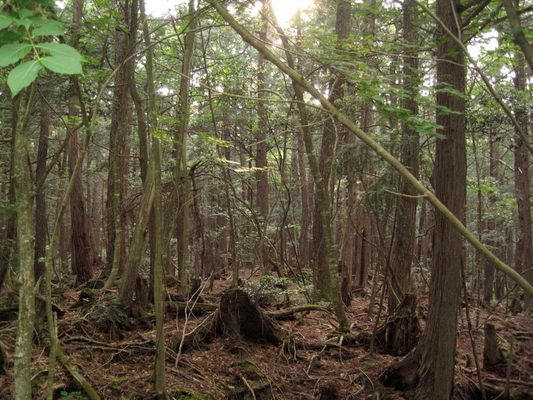
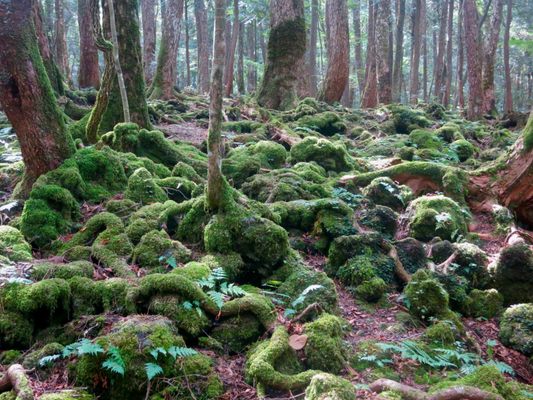
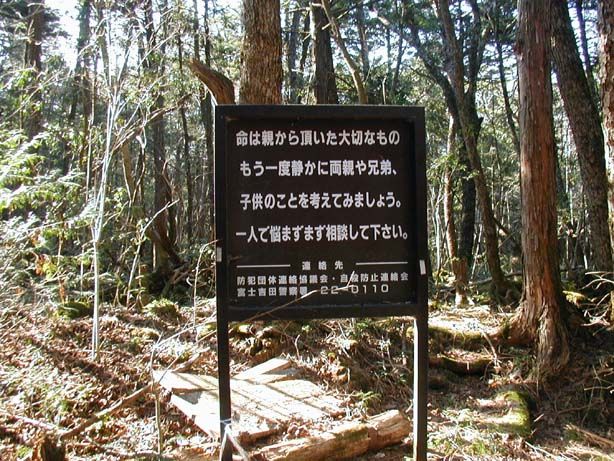
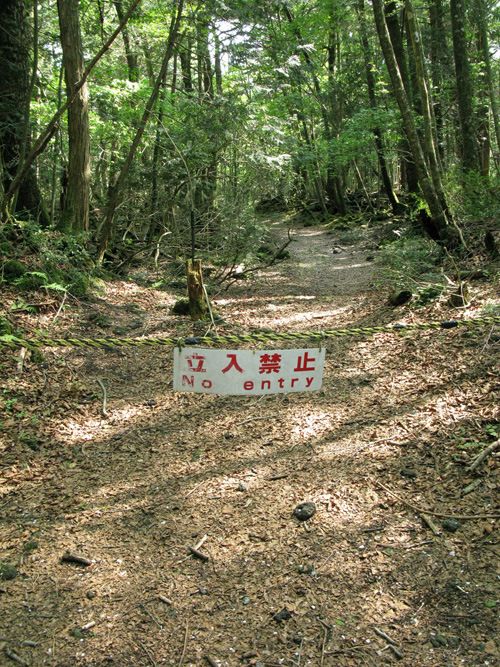
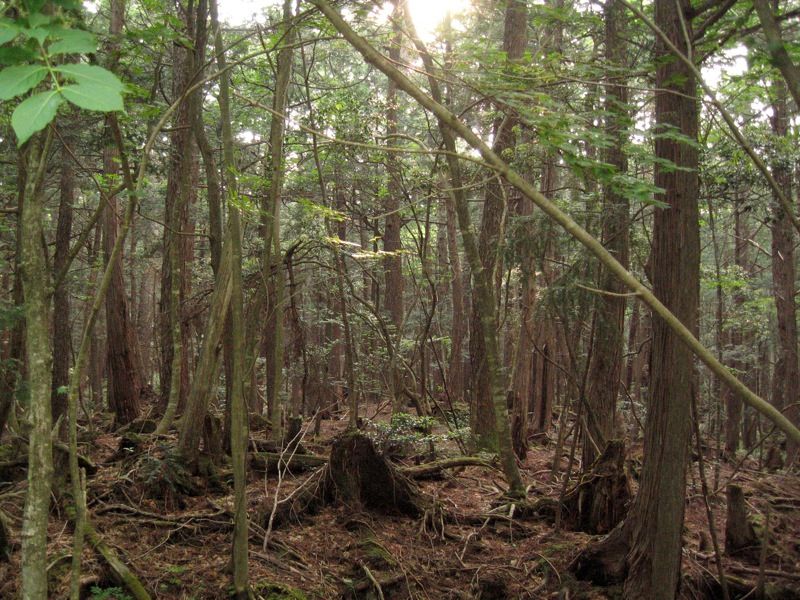
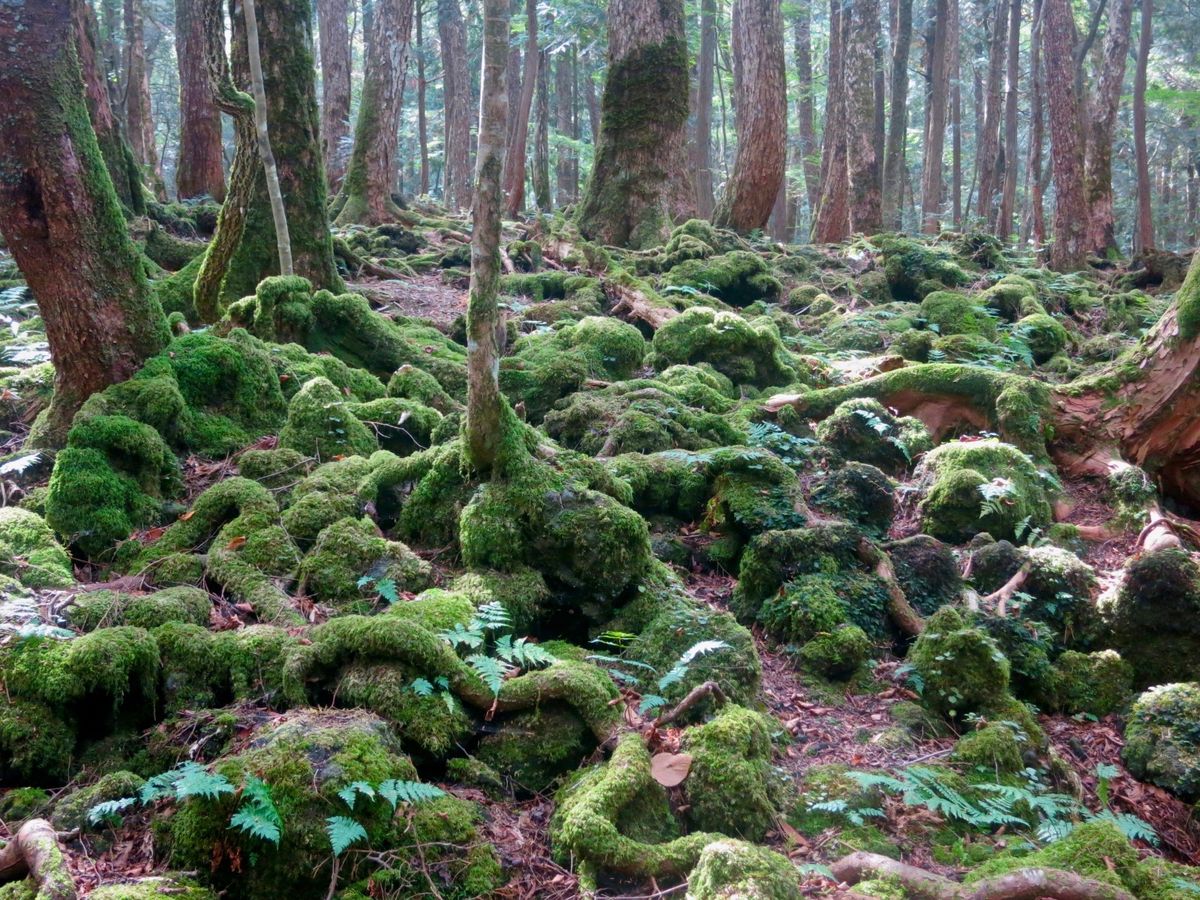
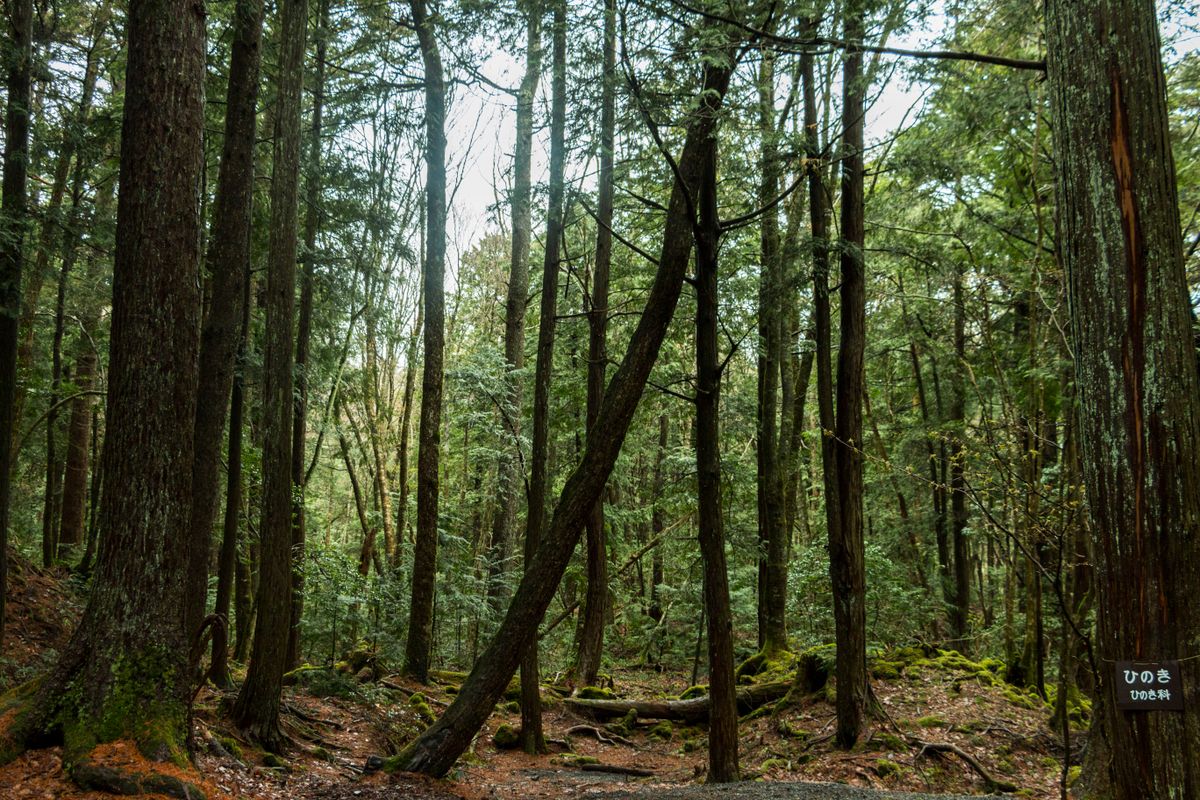
Due to the vastness of the forest, desperate visitors are unlikely to encounter anyone once inside the so-called "Sea of Trees," so the police have mounted signs reading "Your life is a precious gift from your parents," and "Please consult the police before you decide to die!" on trees throughout.
This does not deter determined people from committing suicide in this dense forest. Each year dozens of corpses are found by volunteers who clean the woods, but many are forever lost in the very thick woods. Japanese authorities have discontinued publishing exact suicide numbers in order to avoid making the place even more popular.
Contemporary news outlets have noted the recent spike in suicides in the forest, blaming them more on Japan’s economic downturn than on the romantic ending of Seicho Matsumoto’s novel Kuroi Jukai, which revitalized the so-called suicide forest’s popularity among those determined to take their final walk. (The novel culminates in Aokigahara as the characters are driven to joint-suicide.)
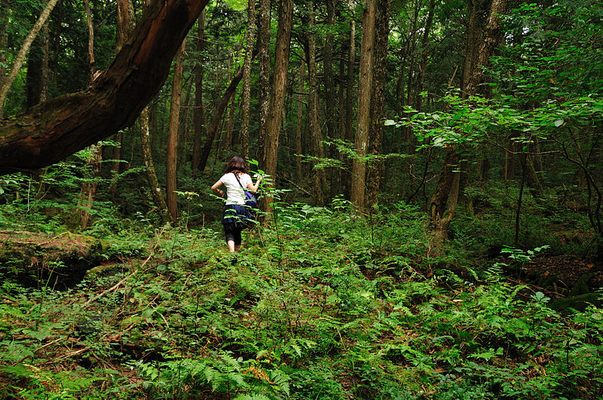
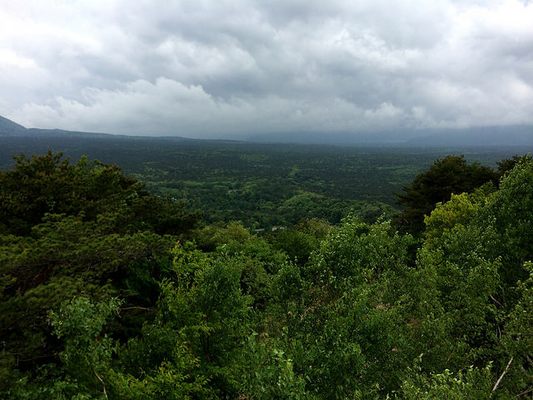
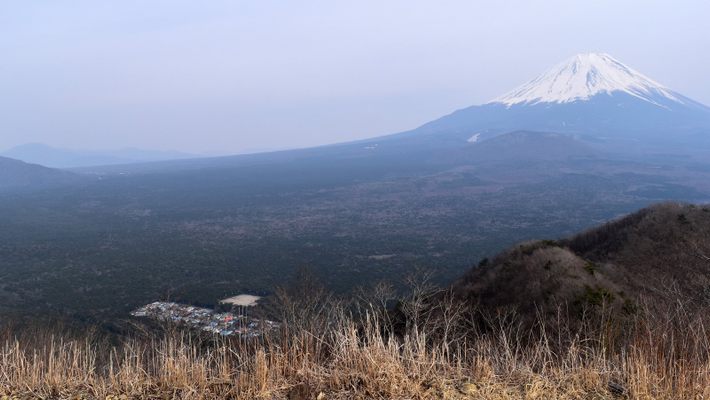
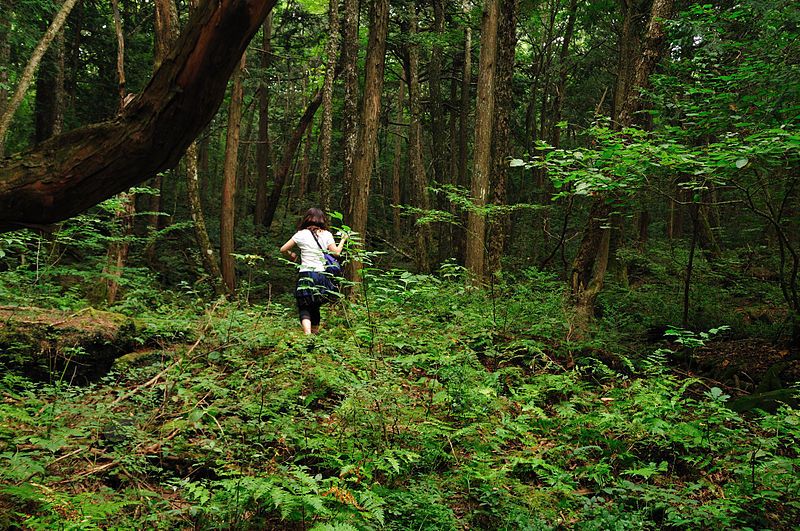
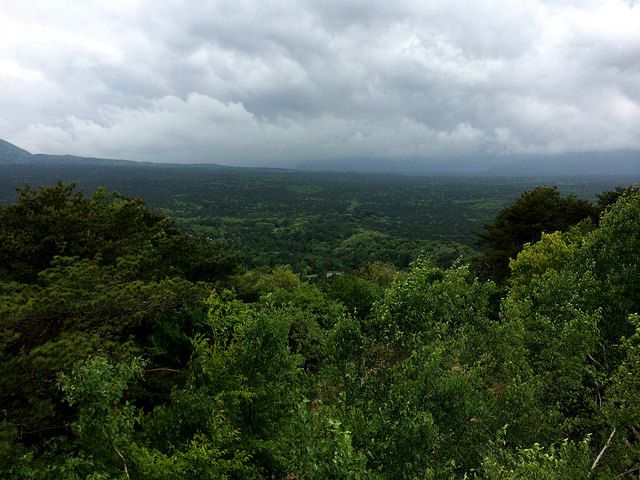
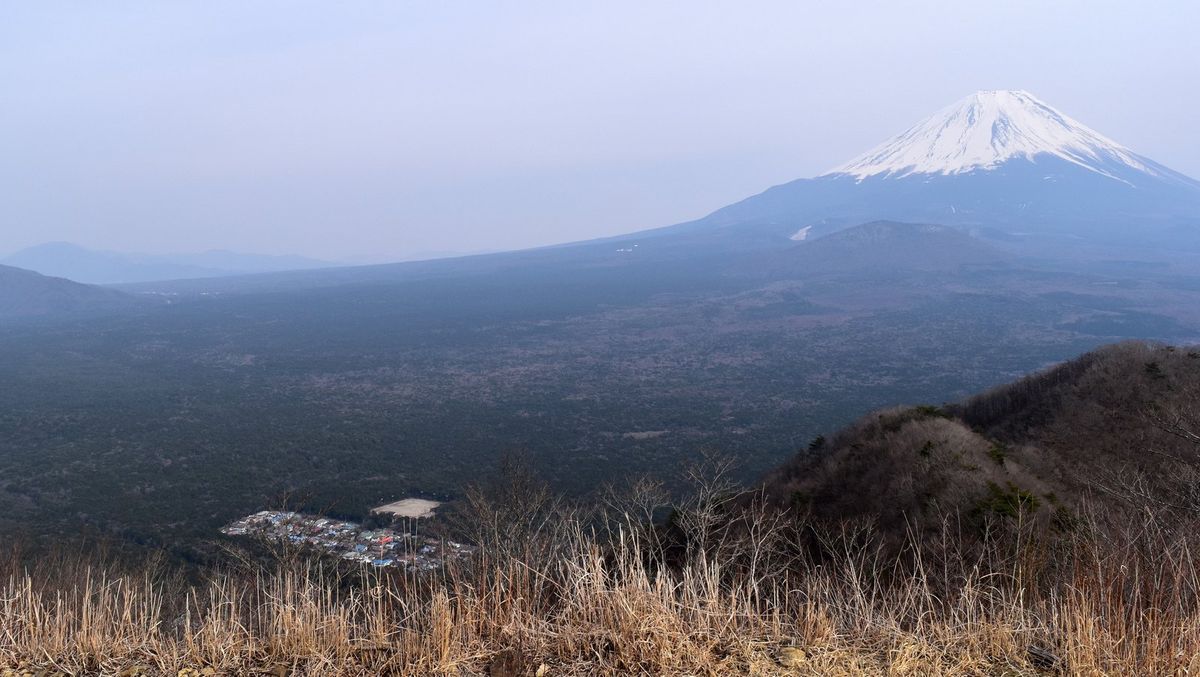
Locals say they can easily spot the three types of visitors to the forest: trekkers interested in scenic vistas of Mount Fuji, the curious hoping for a glimpse of the macabre, and those souls who don’t plan on leaving.
What those hoping to take their lives may not consider is the impact the suicides have on those living near an area famous for being a suicide spot. A local police officer said, "I've seen plenty of bodies that have been really badly decomposed, or been picked at by wild animals... There's nothing beautiful about dying in there."
According to some reports, forest workers must carry the bodies from the forest to the local police station, where they are put in a special room used specifically to house suicide corpses. Some believe that if a corpse is left alone, it is very bad luck for the yurei (ghost) of the suicide victims. Their spirits are said to scream through the night, and that their bodies will move on their own.
In January 2018, the forest gained international attention after a YouTuber filmed and broadcast a suicide victim's body on his popular channel. If you visit, be respectful if you do come across any victims of suicide. Contact the local authorities so they can appropriately handle the situation. It's a somber place; one where the gravity of the circumstances should not be taken lightly.
If you're struggling with thoughts of suicide, there are international resources available for help. Many of these mental health hotlines are available 24/7 to anyone in distress.
Related Tags
Know Before You Go
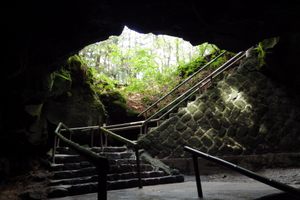
If you're interested in hiking in the forest, it's located approximately two hours' driving time west-southwest from Tokyo. Accessible without a car. Must take the Fujikyu Railway to Kawaguchiko train station then the Retro Bus. Entrance is in the parking lot of the Lake Sai Bat Cave.
Hidden Japan: Sado Island, Nara & Kyoto
Explore a different side of Japan.
Book NowCommunity Contributors
Added By
Published
July 14, 2016
Sources
- http://xmb.stuffucanuse.com/xmb/viewthread.php?tid=3879
- http://www.hauntedamericatours.com/haunted/Aokigahara.php
- http://www.telegraph.co.uk/news/worldnews/asia/japan/1373287/Japan-struggles-with-soaring-death-toll-in-Suicide-Forest.html
- http://mentalfloss.com/article/73288/15-eerie-things-about-japans-suicide-forest
- https://en.wikipedia.org/wiki/Aokigahara
- http://fusion.net/story/252500/japan-suicide-forest-sea-of-trees-aokigahara-mt-fuji/
- https://www.youtube.com/watch?v=4FDSdg09df8
- https://en.wikipedia.org/wiki/List_of_suicide_sites
- https://en.m.wikipedia.org/wiki/Aokigahara
- https://japanese-school-asahi.com/aokigahara/