



About
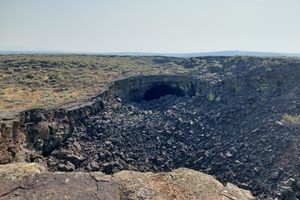
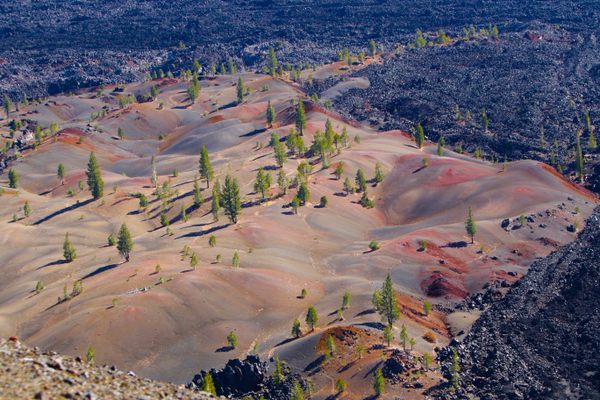
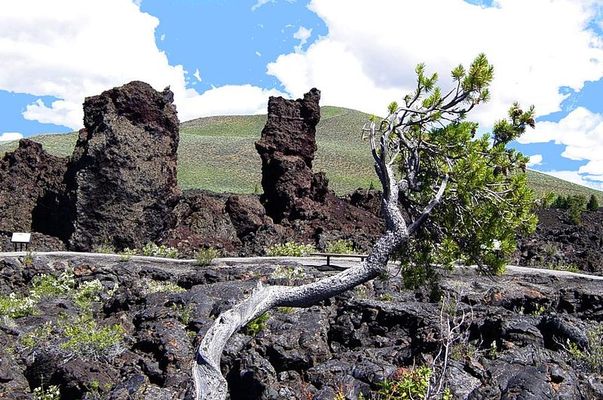
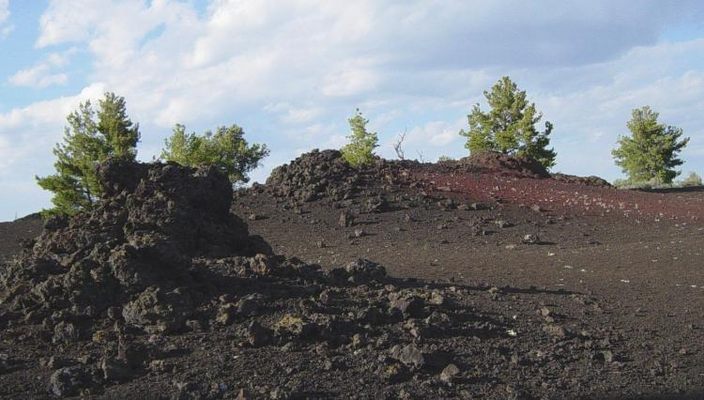
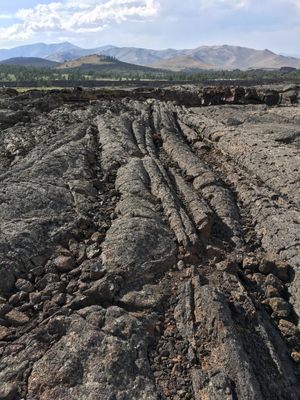
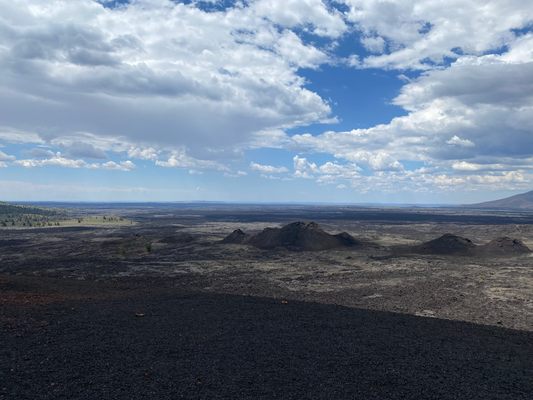
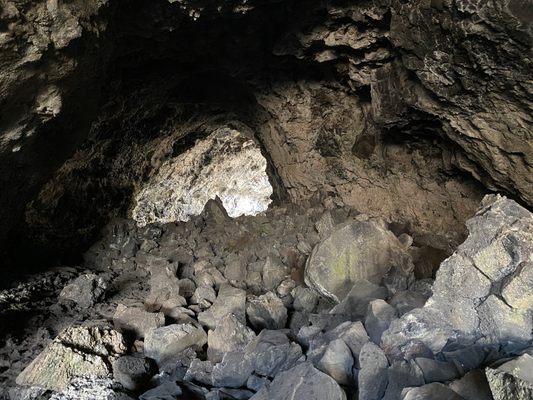
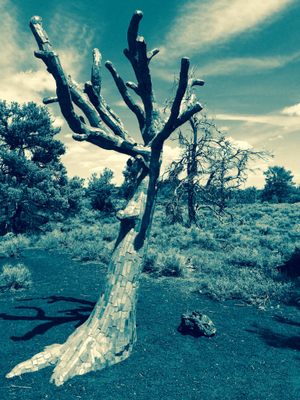
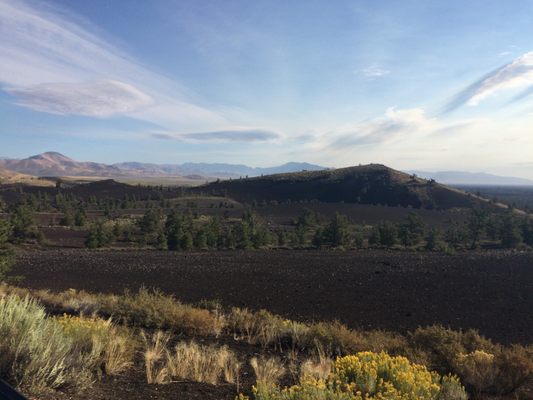
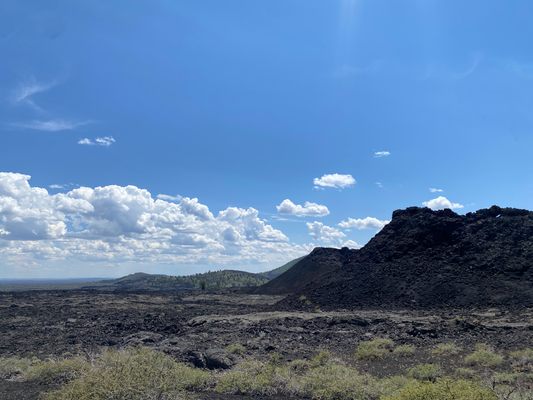
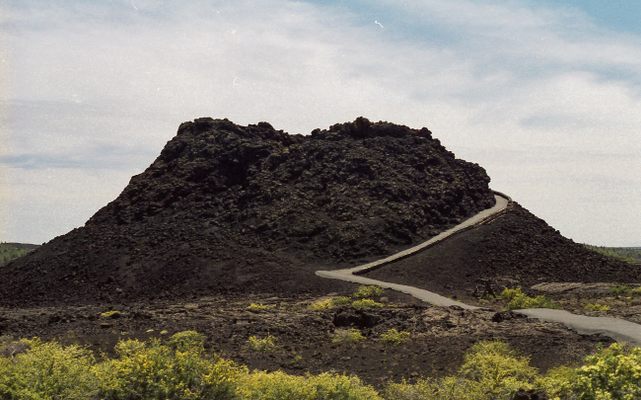
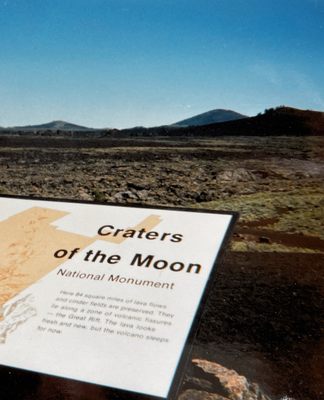
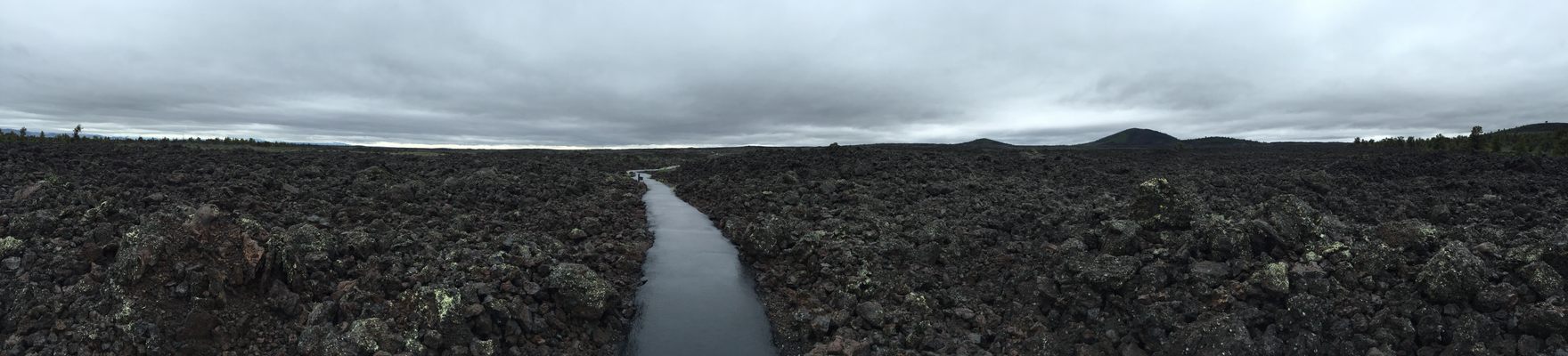
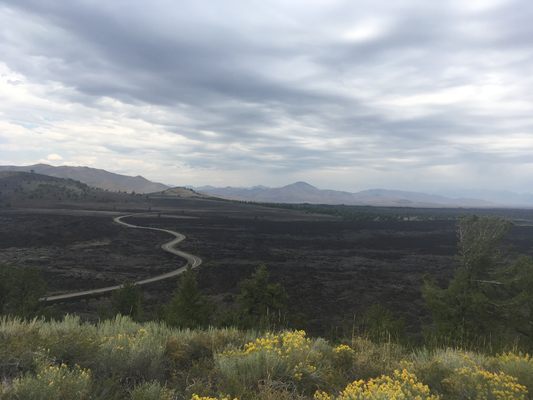
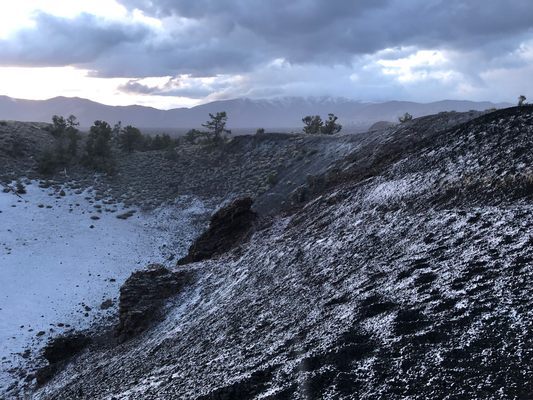
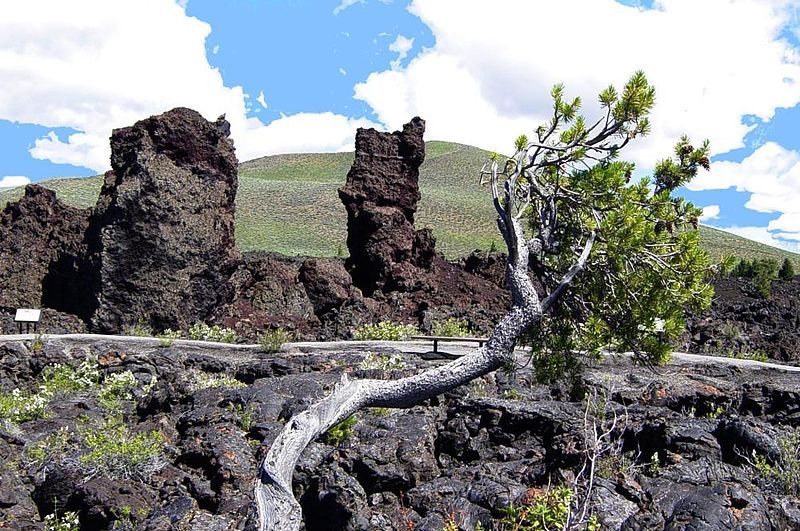
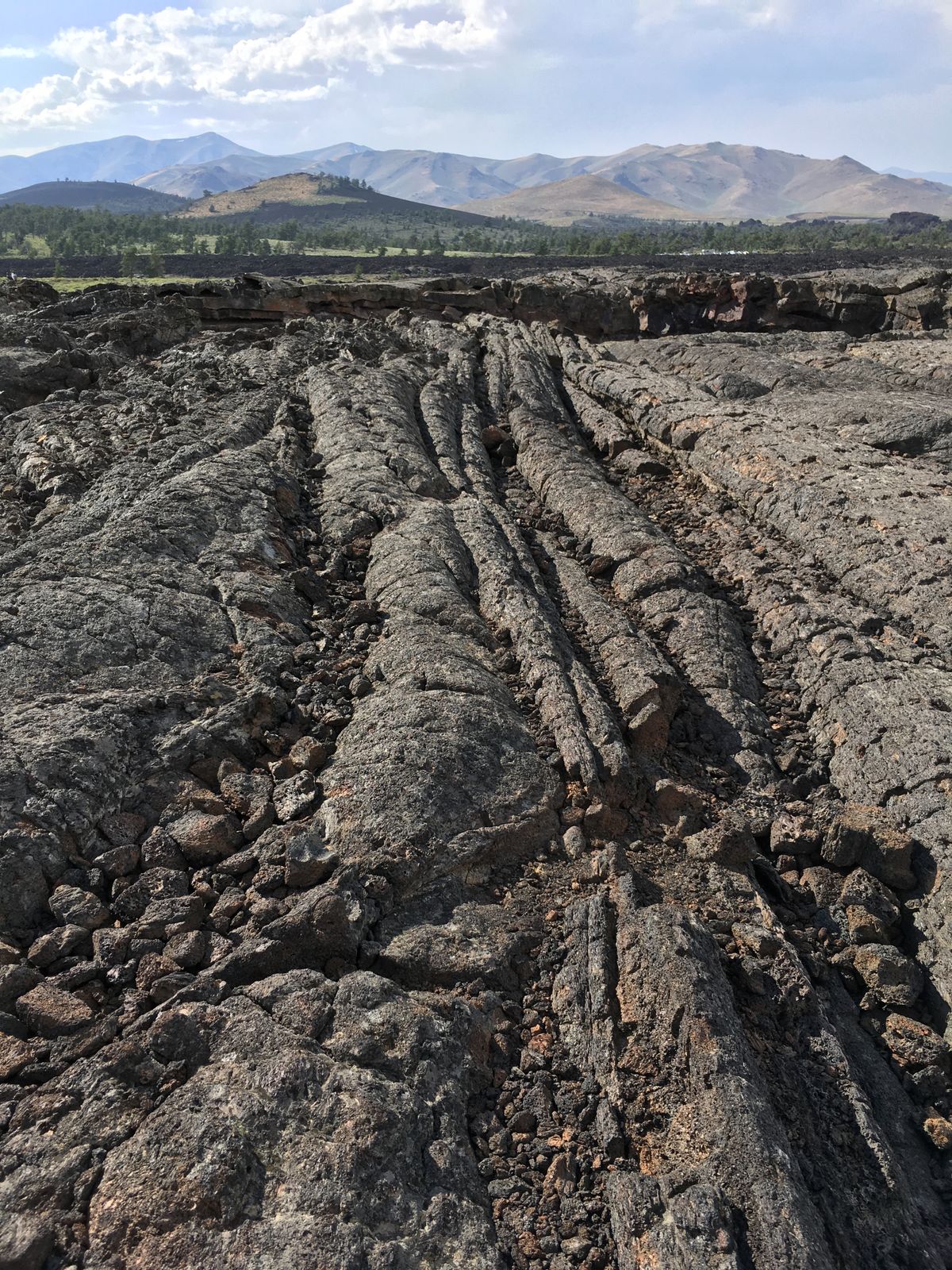
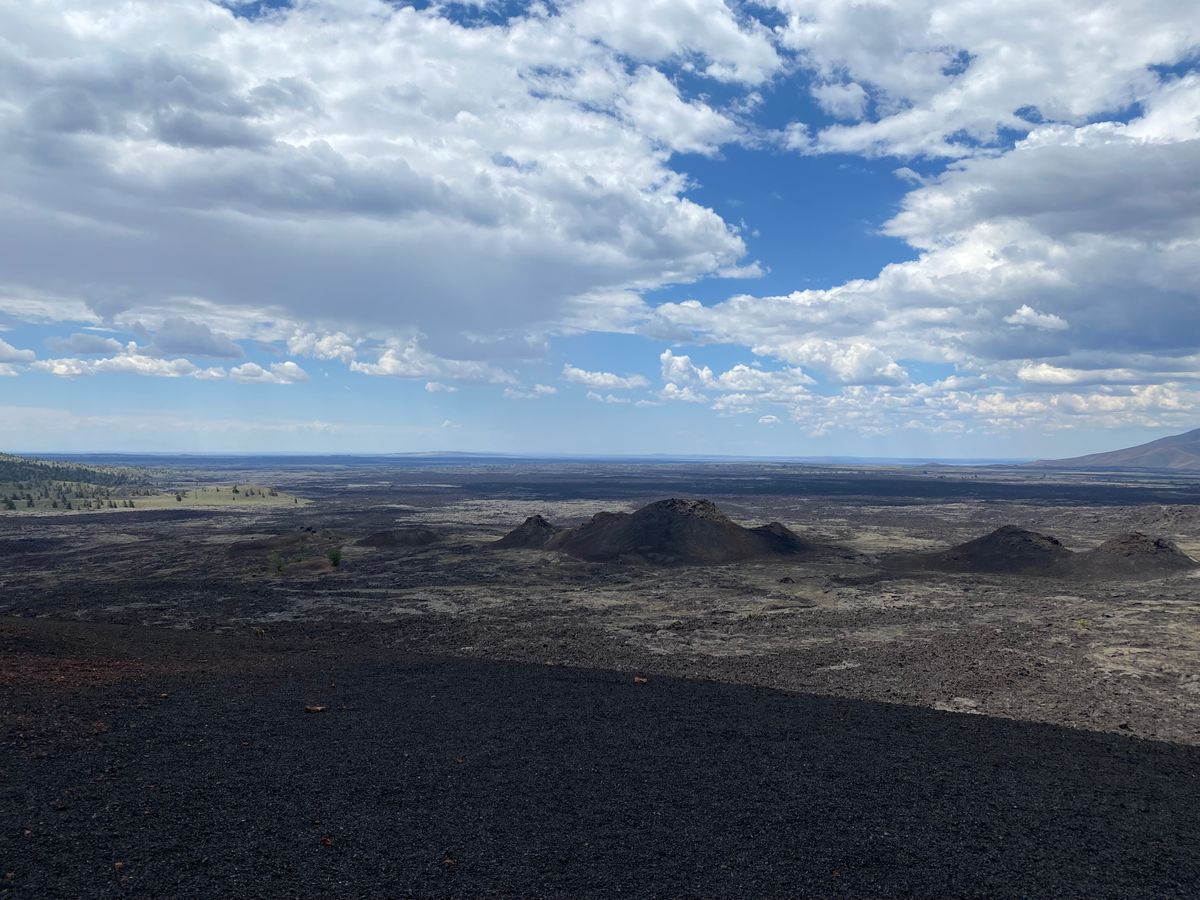
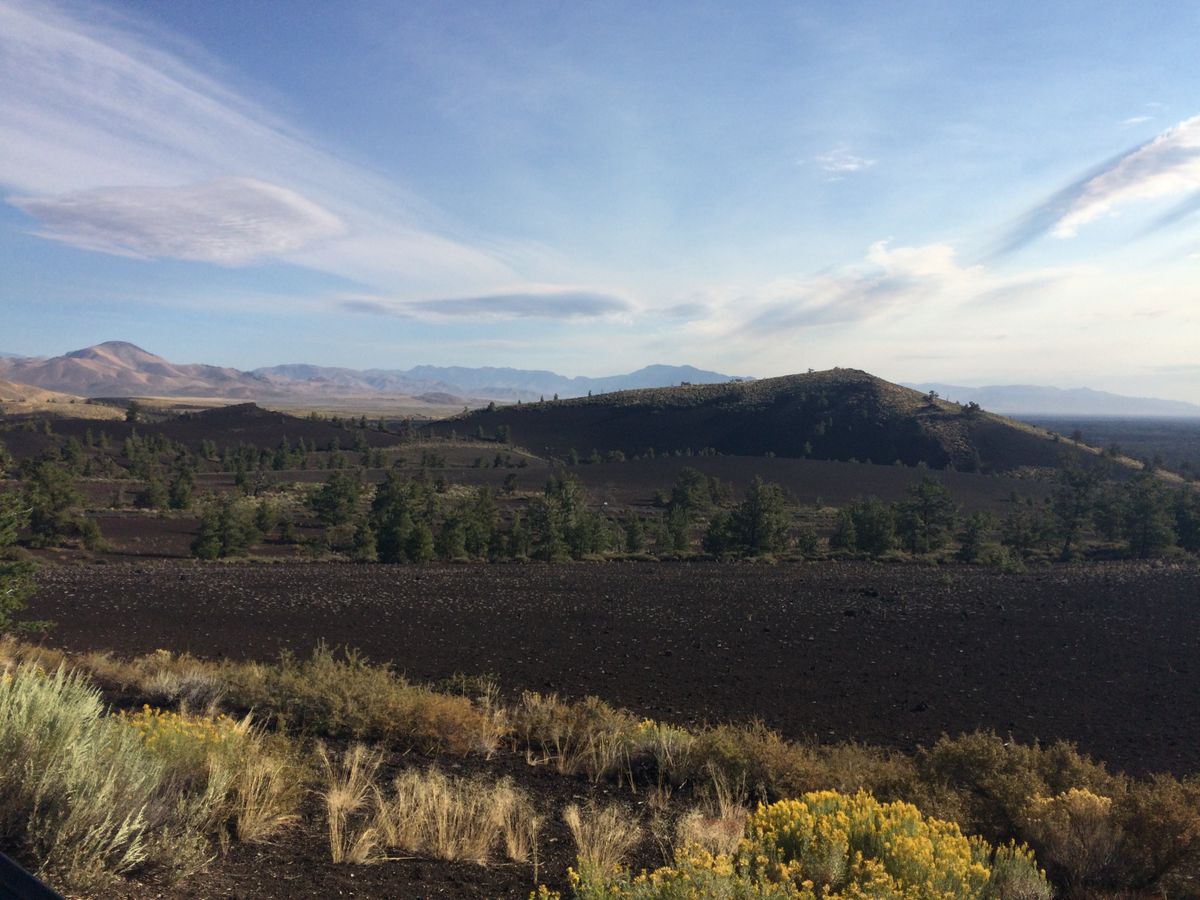
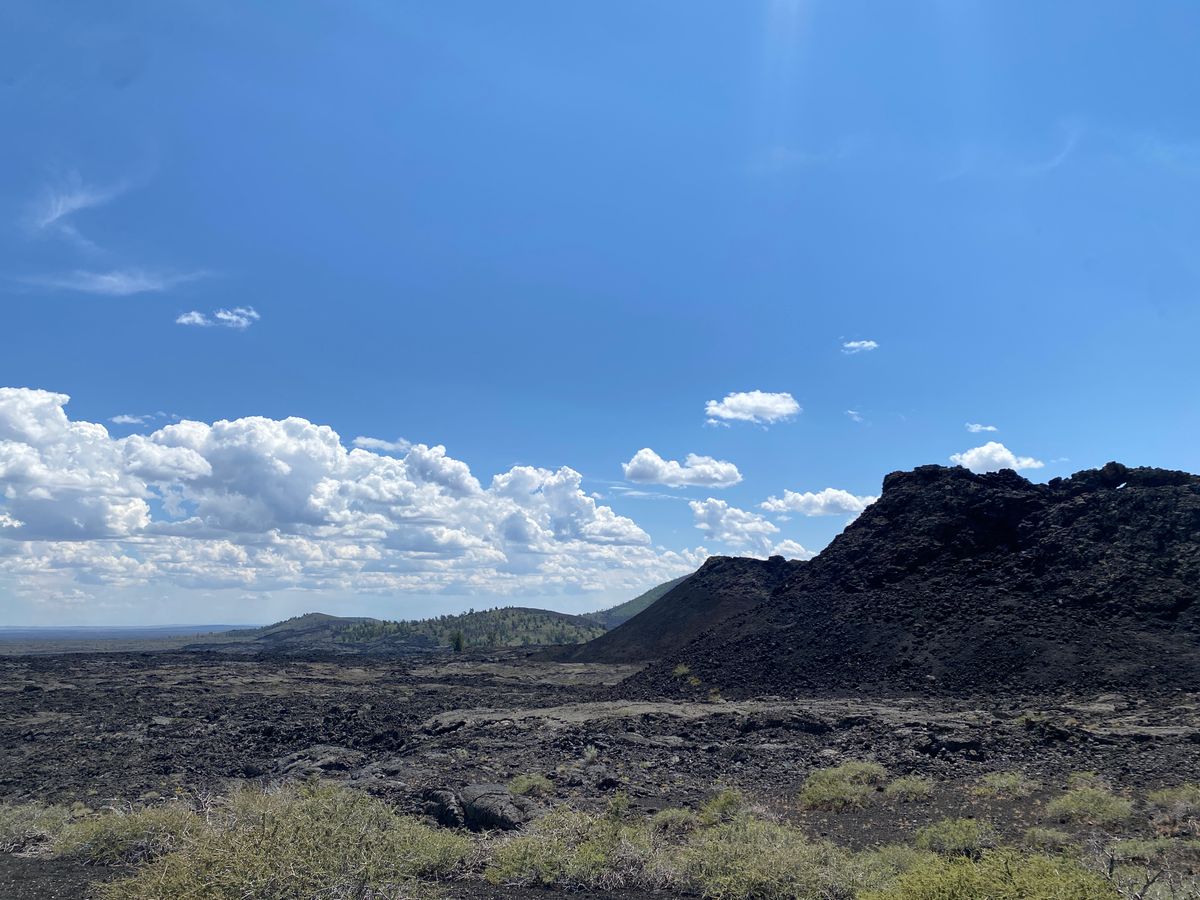
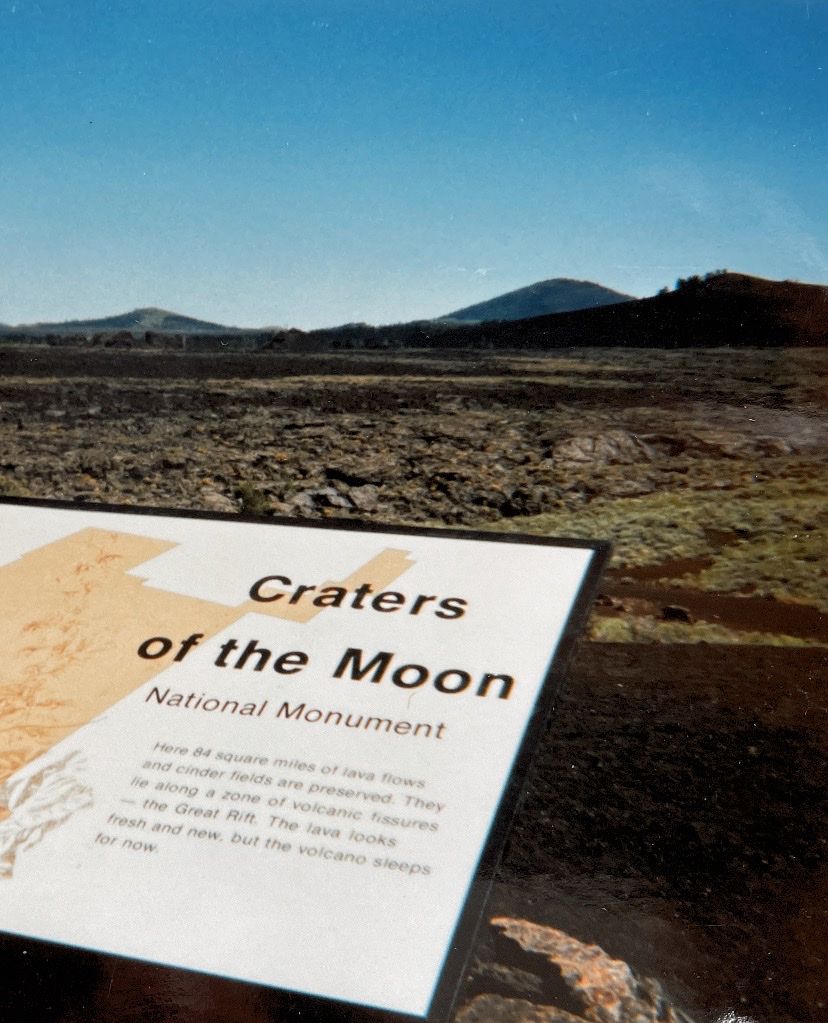
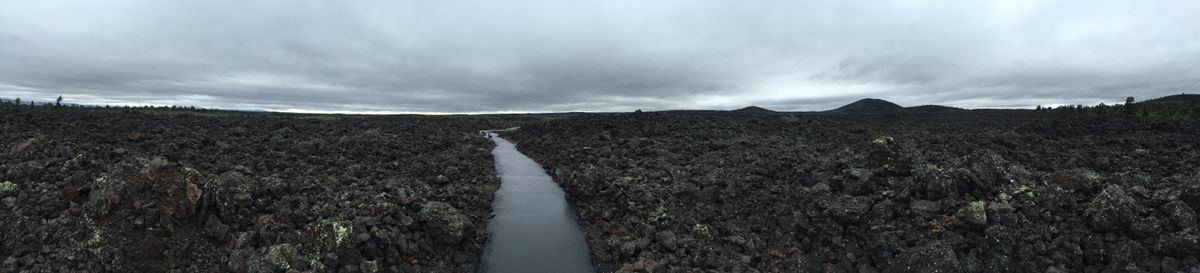
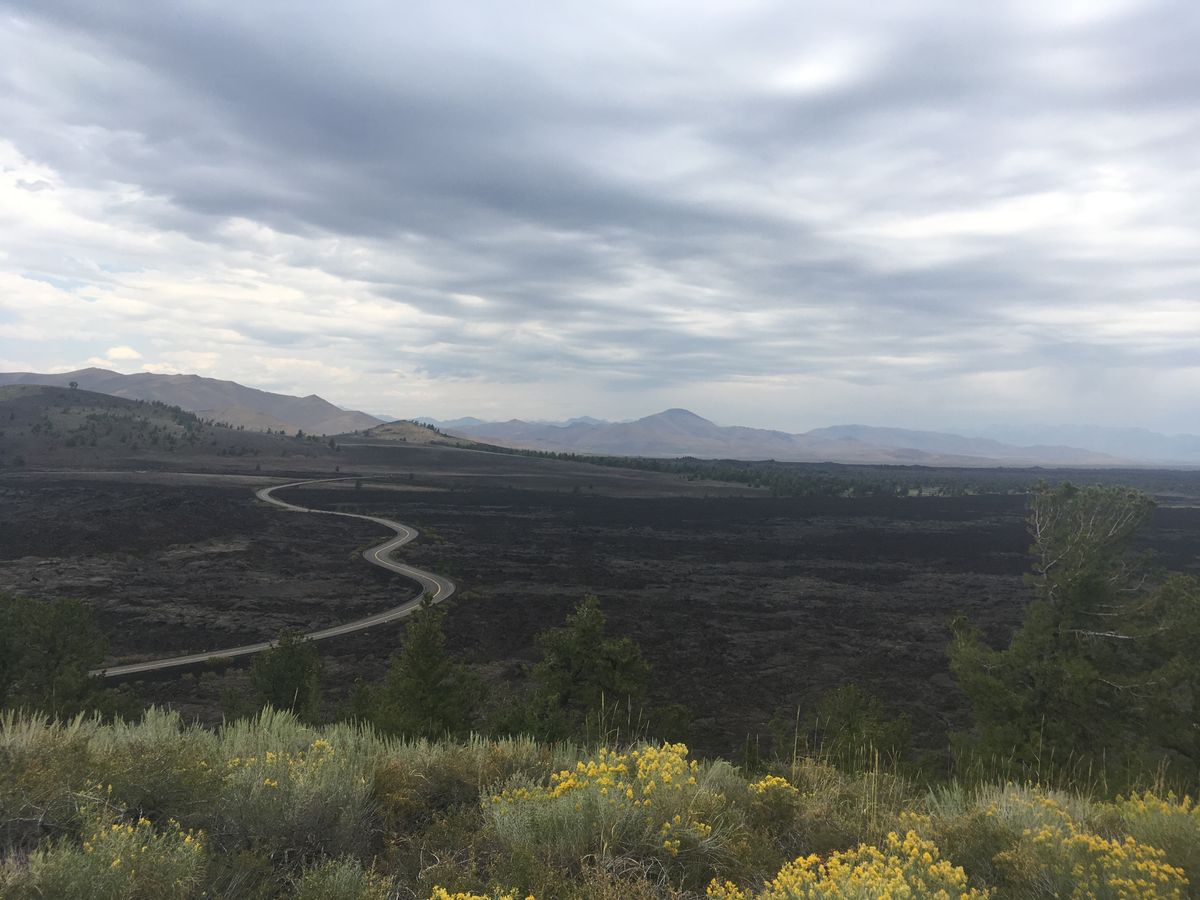
A huge preserve located in the Snake River Plain in Central Idaho, Craters of the Moon is protected because of the area's many volcanic features that represent one of the best preserved flood basalt areas in the continental United States. At an average elevation of nearly 6,000 feet, Craters of the Moon encompasses three major lava fields and nearly 400 square miles of sagebrush steppe grasslands.
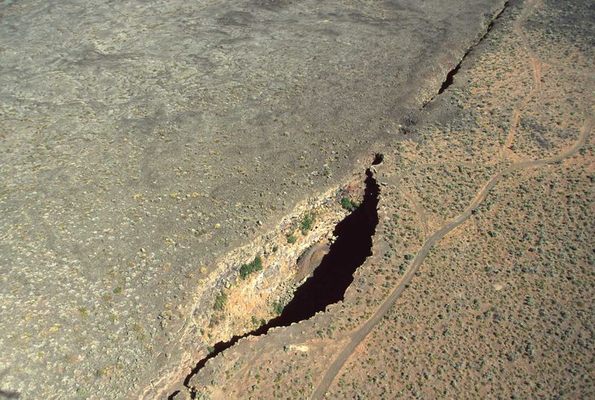
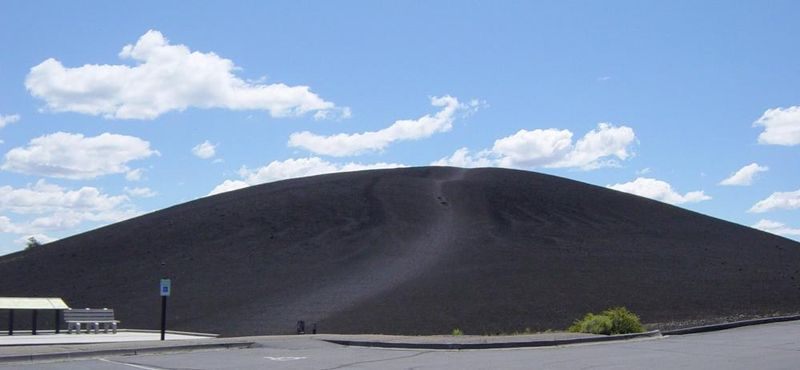
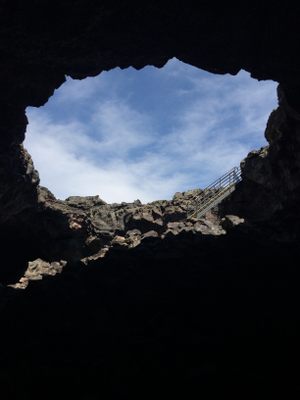
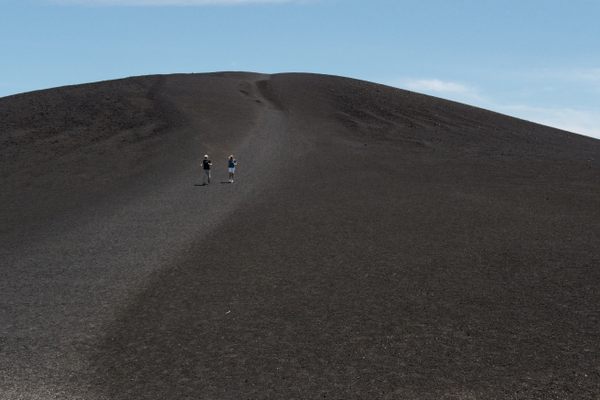
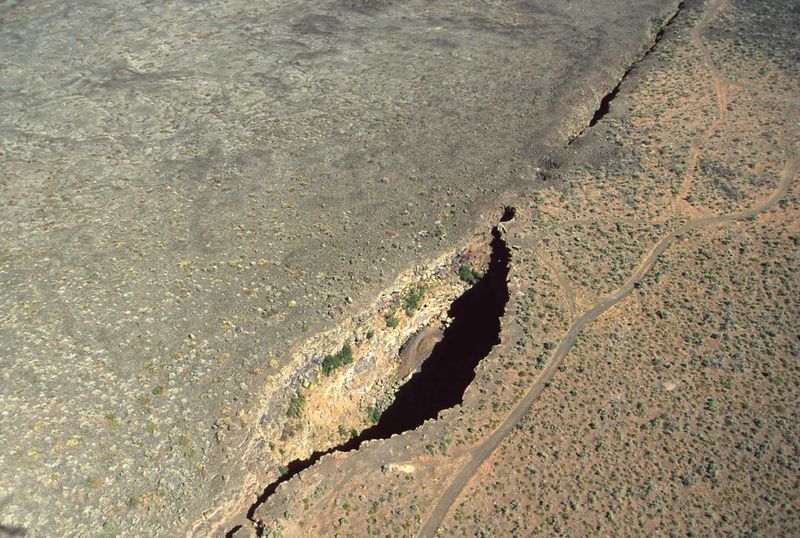
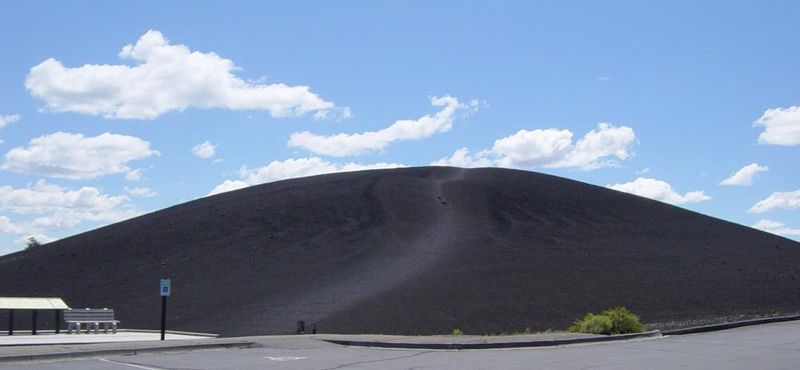
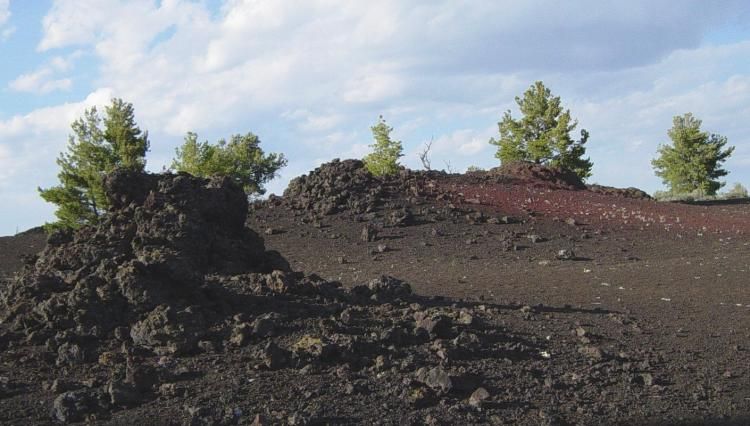
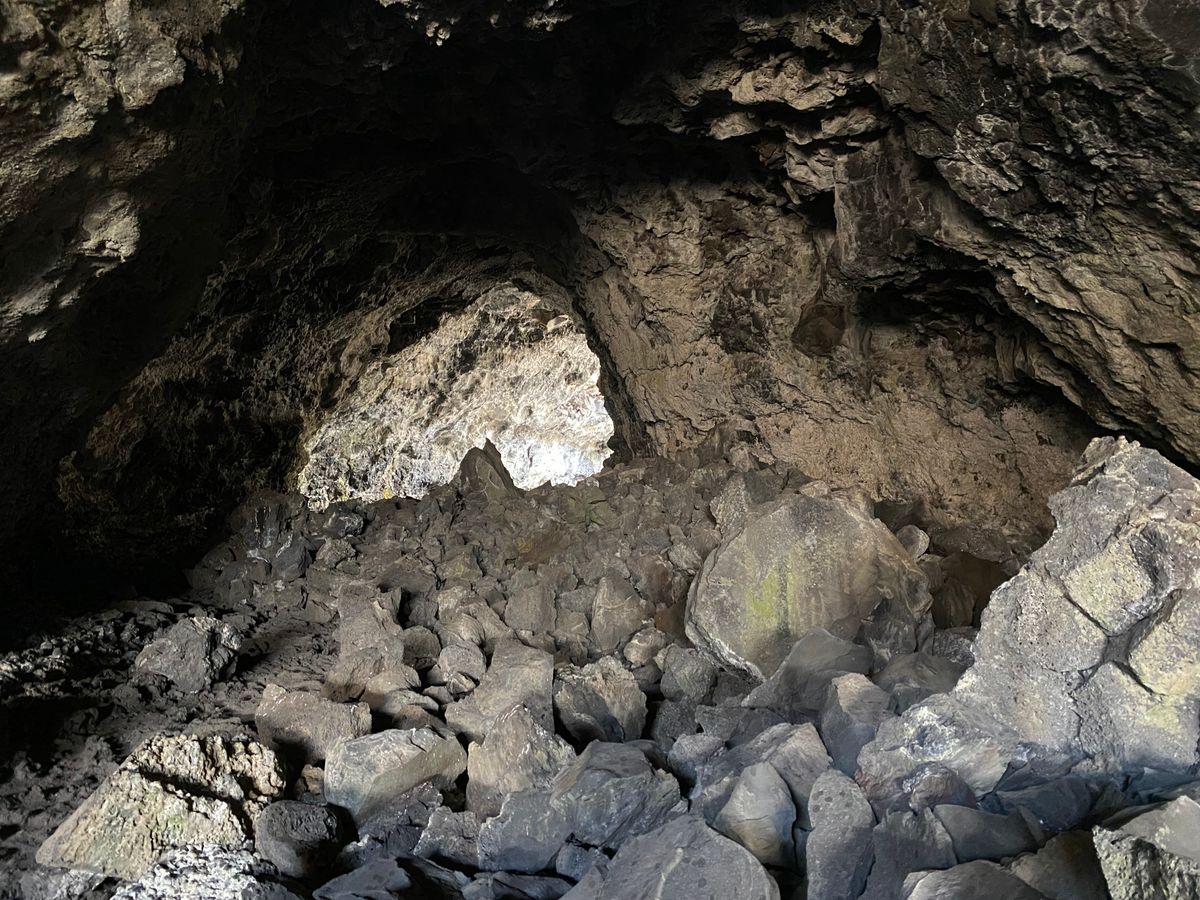
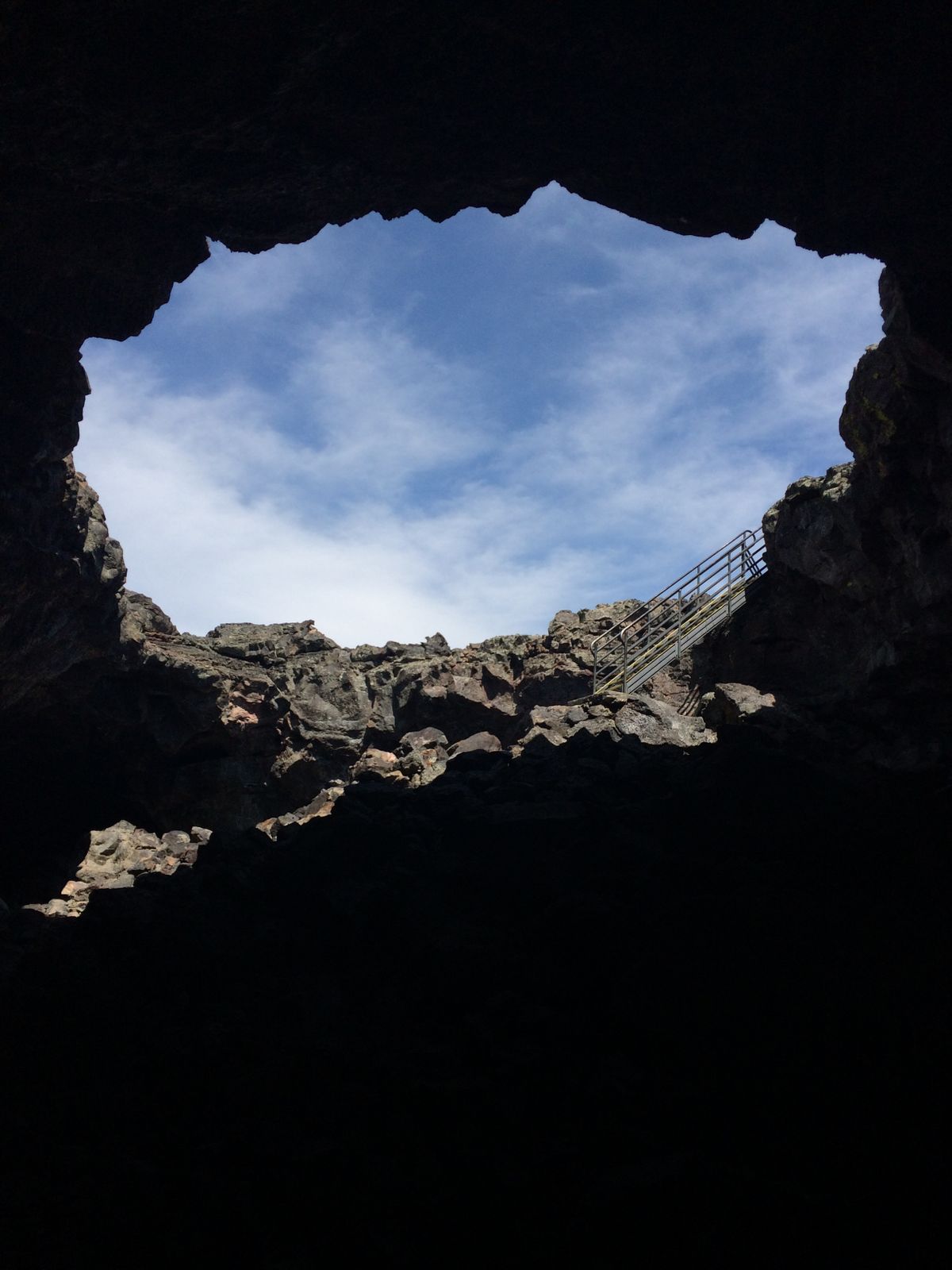
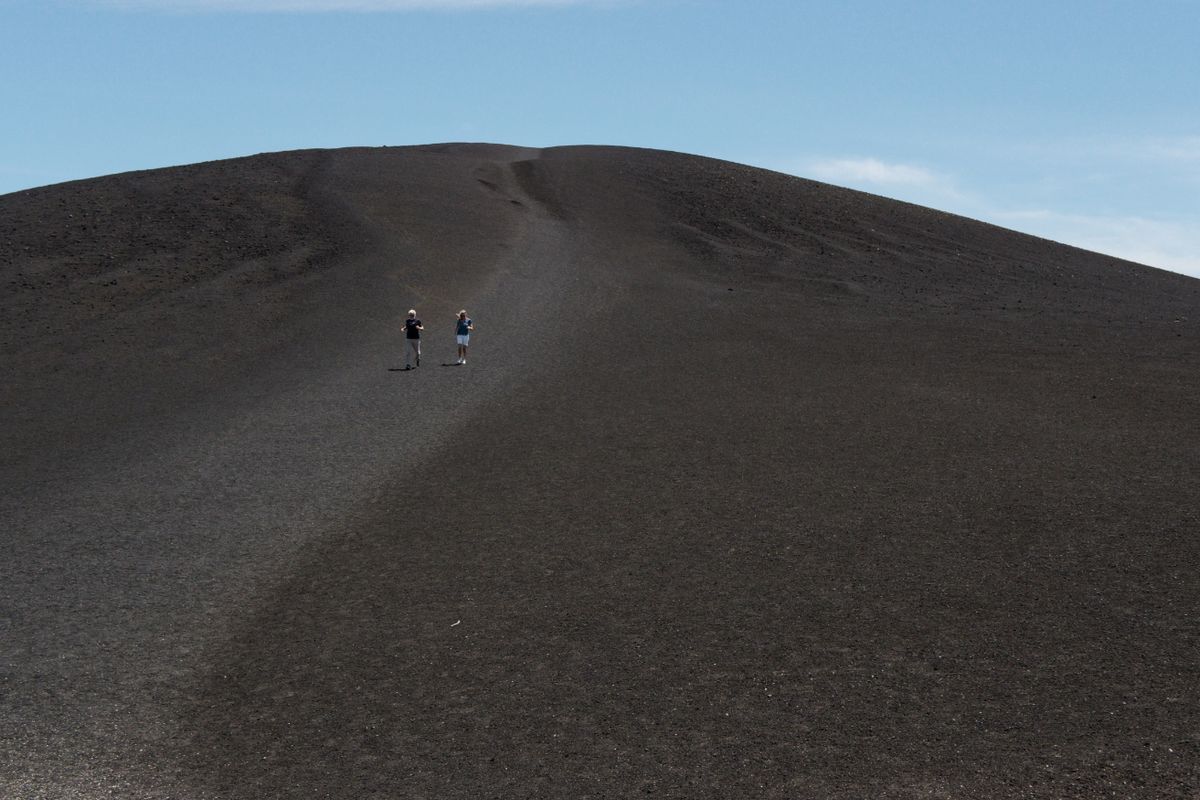
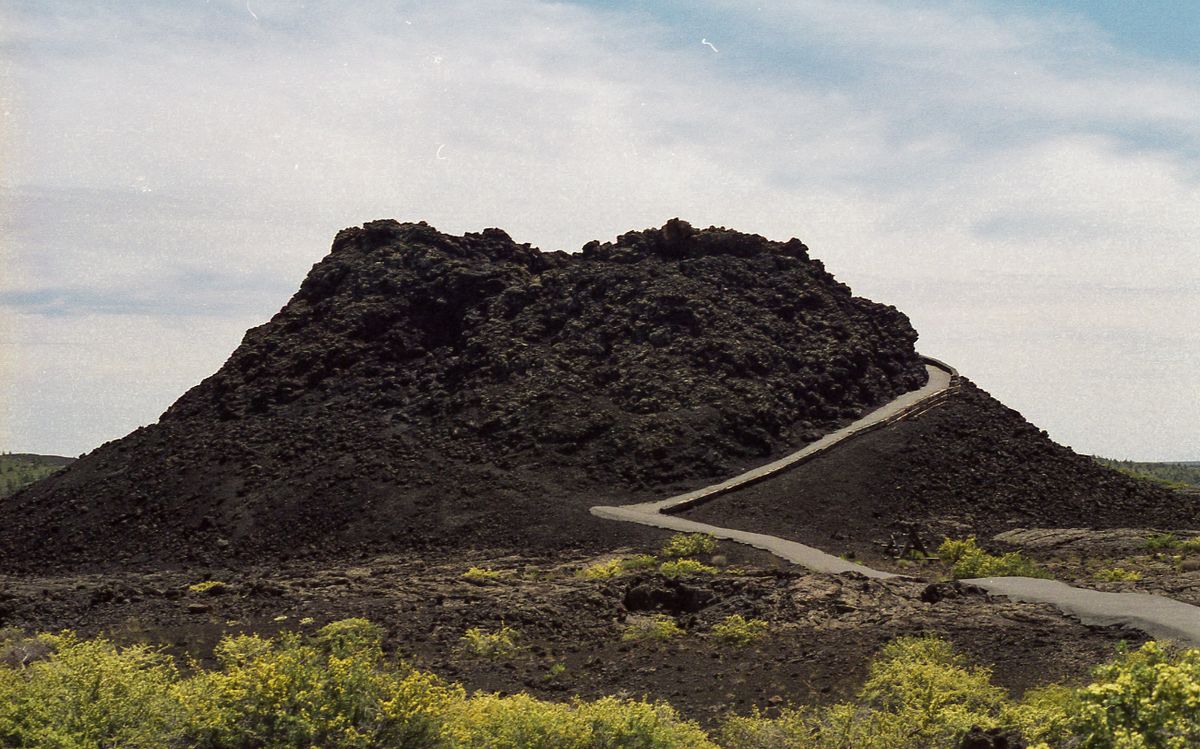
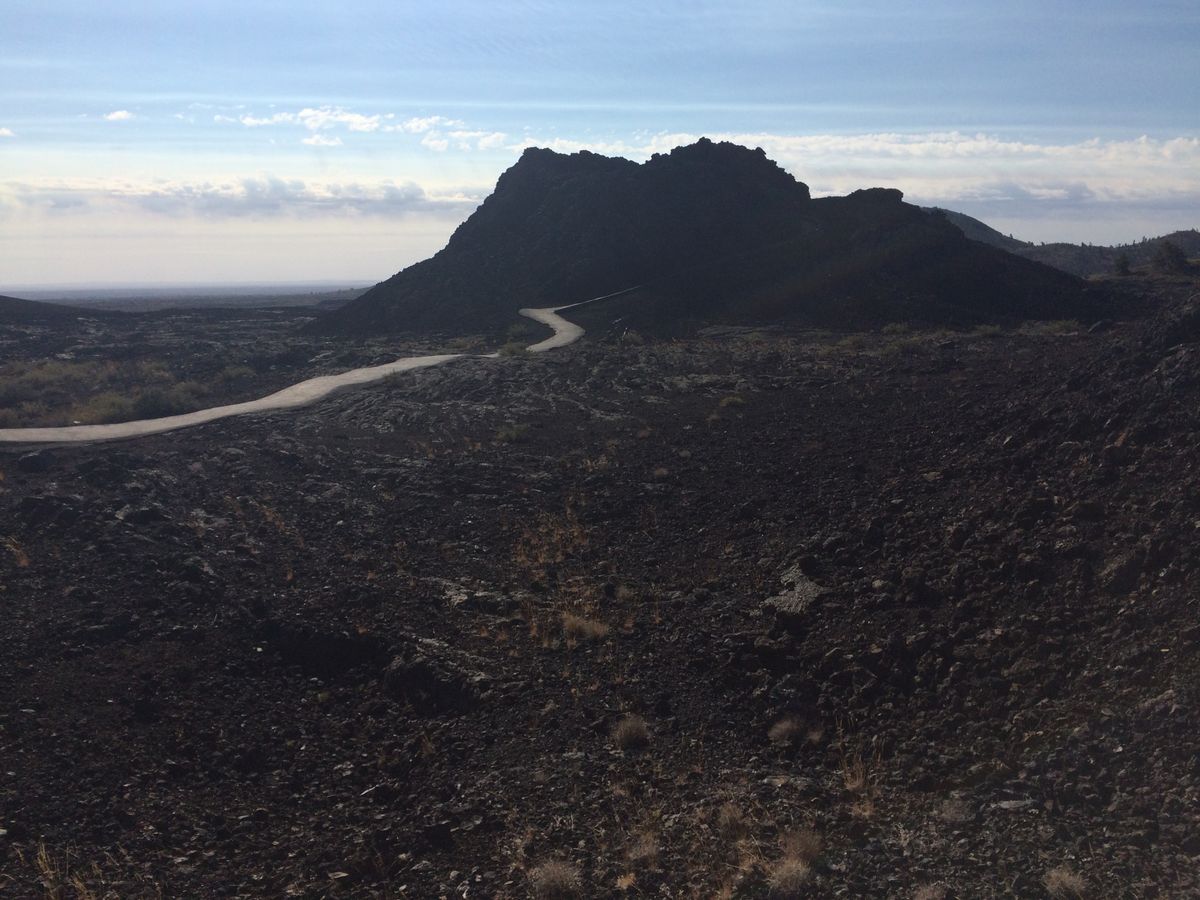
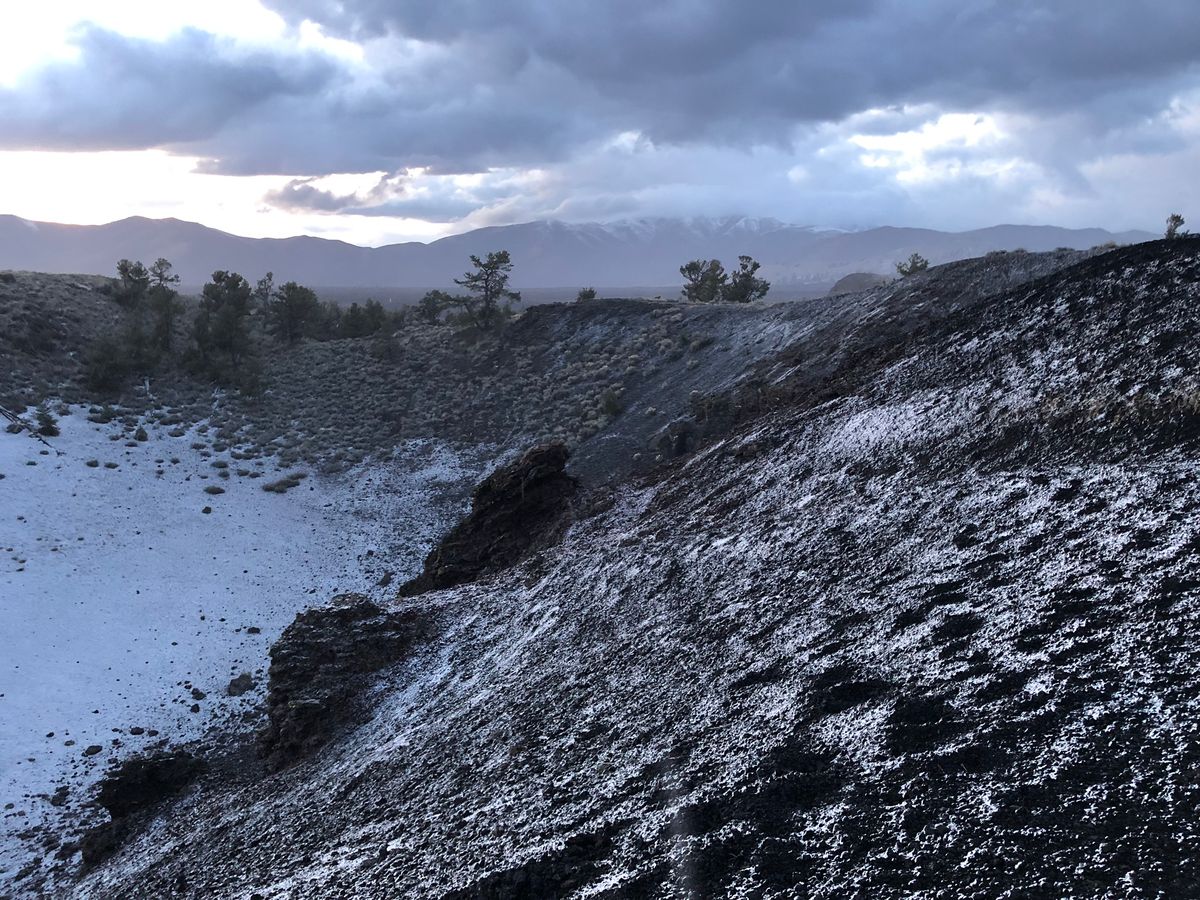
Visitors flock to this protected area to see the lava fields, which all sit along the Great Rift of Idaho. Some of the open rift cracks are among the best known anywhere in the world, including the deepest rift on Earth, which measures 800 feet. More than two dozen volcanic cones represent lava flows from between 15,000 and 2,000 years ago.
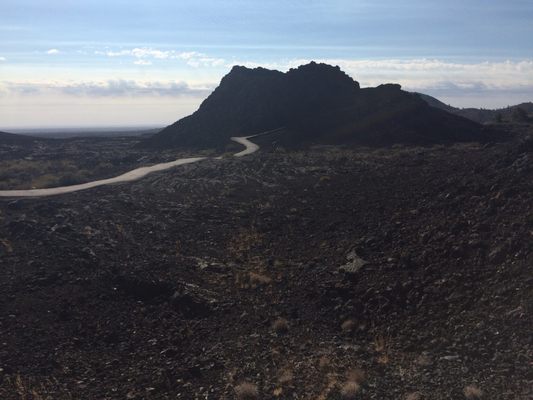
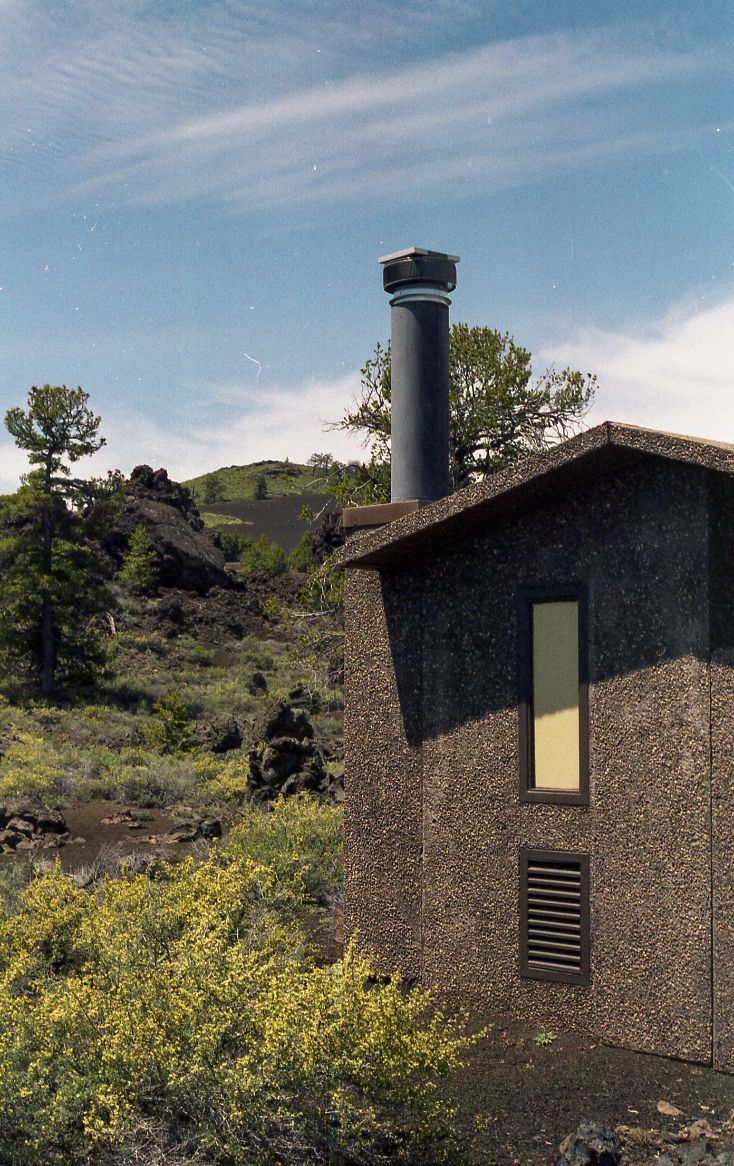
Visitors, though, are encouraged to come prepared. This area is rugged, with only one paved road reaching across the northern end. There is a visitor center, and a highway provides access to it, but hiking through the preserve could be dangerous. All of the plants and animals that grow and live in the area are under environmental stress, as it rarely rains in the preserve, and all of the water is immediately lost to the rifts, where it eventually makes its way to the Snake River. Dry winds constantly work their way across the steppe, and the soil temperature can reach 150 degrees Fahrenheit.
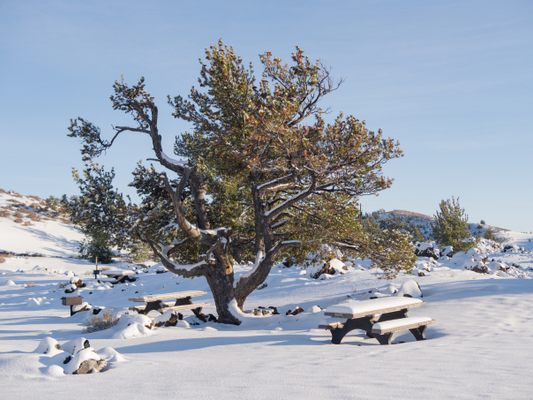
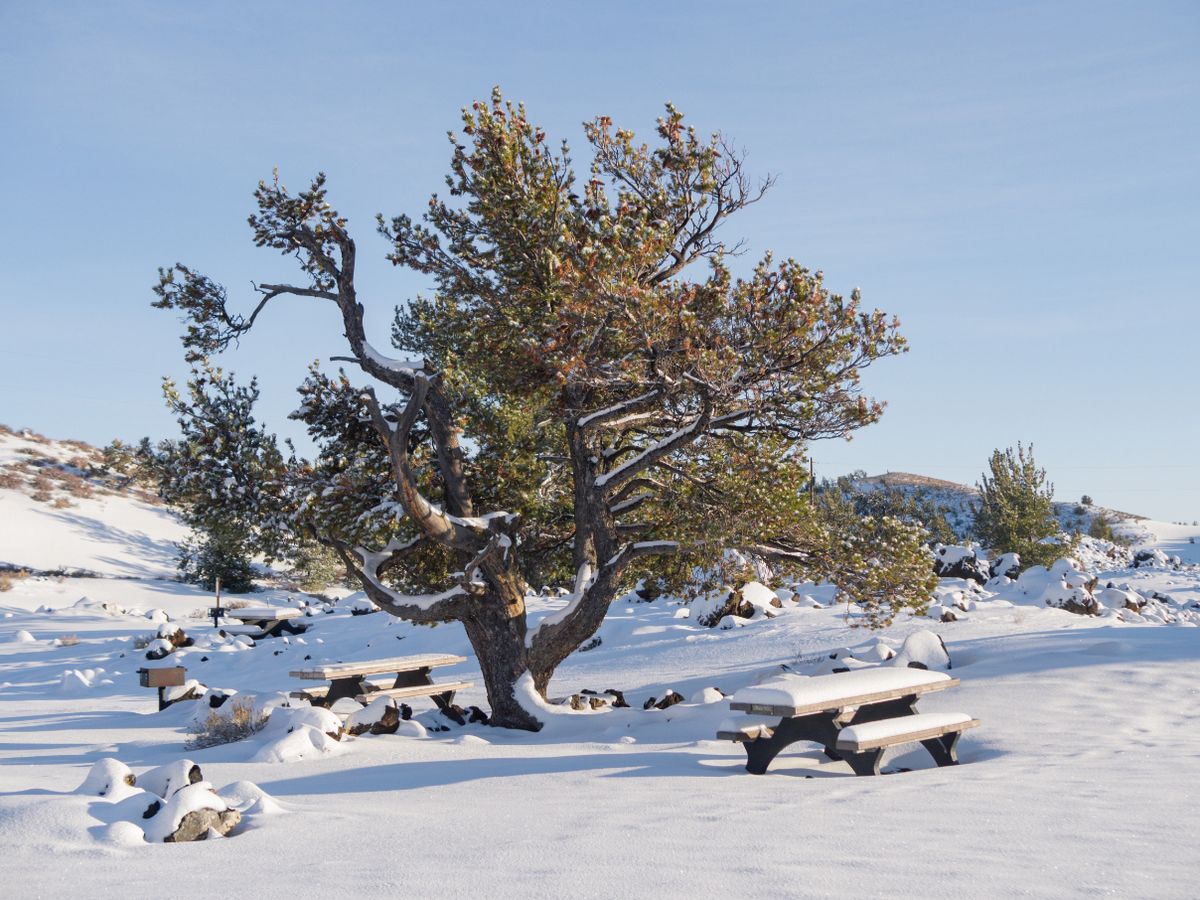
The preserve also has more than 50 camping sites for visitors. None, though, can be reserved in advance, and they are very basic, including little more than water and trash containers. Campers visit Craters of the Moon in both the summer and the winter, when the Loop Drive is closed to traffic and made available to skiers.
While the monument was established way back in May of 1924, the area wasn't designated the Craters of the Moon National Preserve until August of 2002. Just two years earlier, President Clinton had signed a proclamation that greatly expanded the site to what closely resembles its current shape and size. The area, given its designation, is managed by the National Park Service in cooperation with the Bureau of Land Management.
Related Tags
Know Before You Go
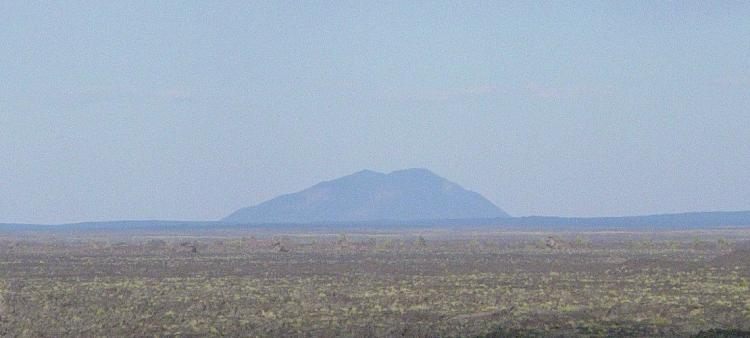
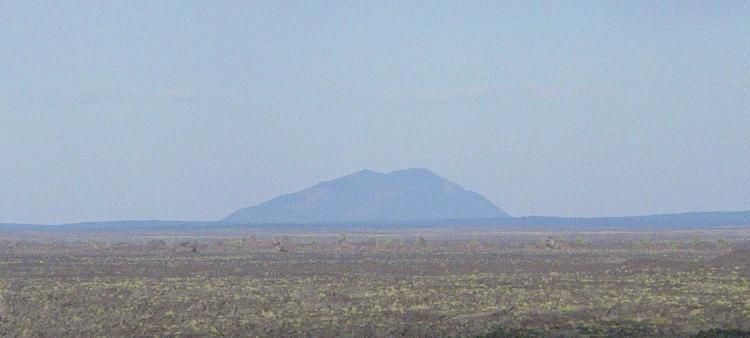
The Kings Bowl crater can be found at 42.950068°, -113.216847° The Big Cinder Butte can be found at 43.416723°, -113.538914°
Community Contributors
Added By
Published
May 15, 2011
Sources
- Wikipedia: Craters of the Moon National Monument and Preserve: http://en.wikipedia.org/wiki/Craters_of_the_Moon_National_Monument_and_Preserve
- Digital Atlas of Idaho: Craters of the Moon: http://imnh.isu.edu/digitalatlas/geog/parks/craters/craters.htm
- Virtual Tourist: Craters of the Moon National Monument Tourist Guide: http://www.virtualtourist.com/travel/North_America/United_States_of_America/Idaho/Craters_of_the_Moon_National_Monument-775479/TravelGuide-Craters_of_the_Moon_National_Monument.html