

About
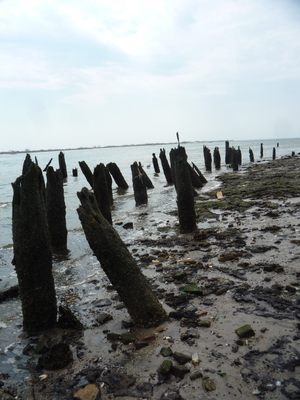
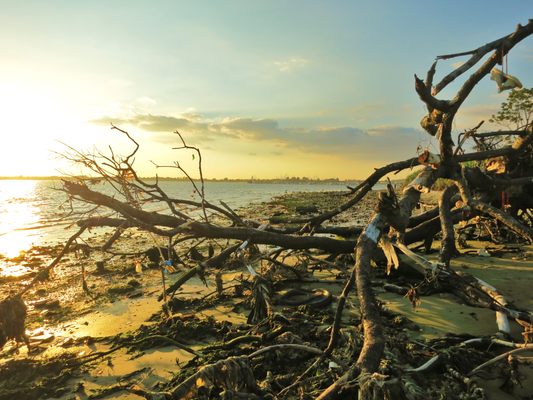
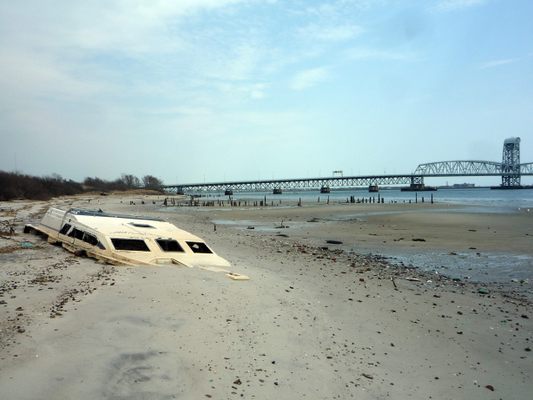
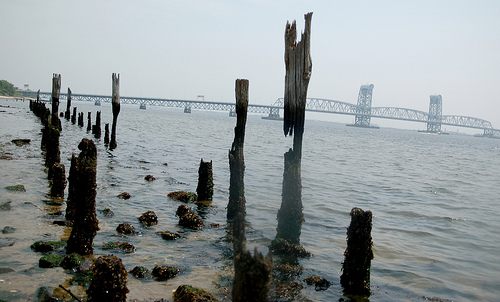
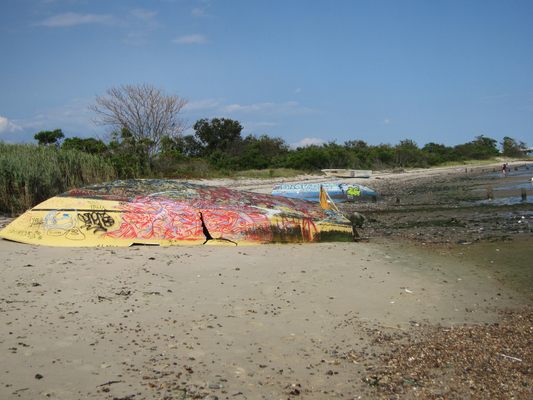
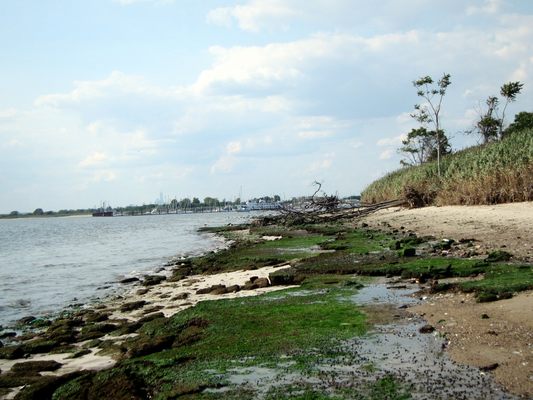
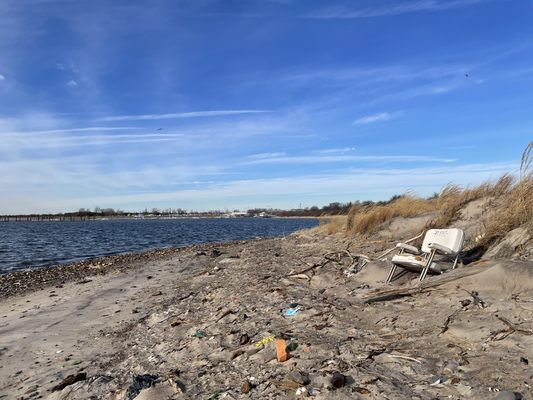
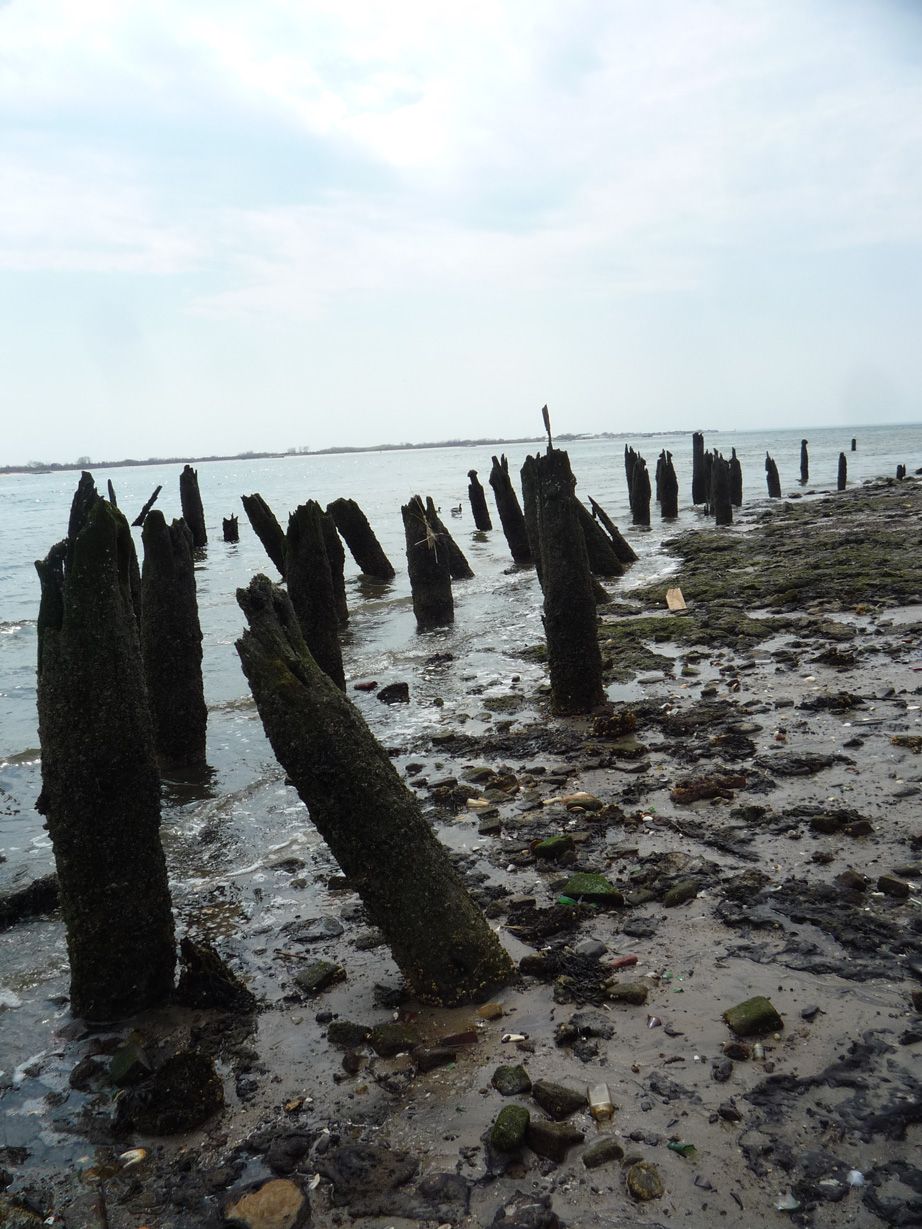
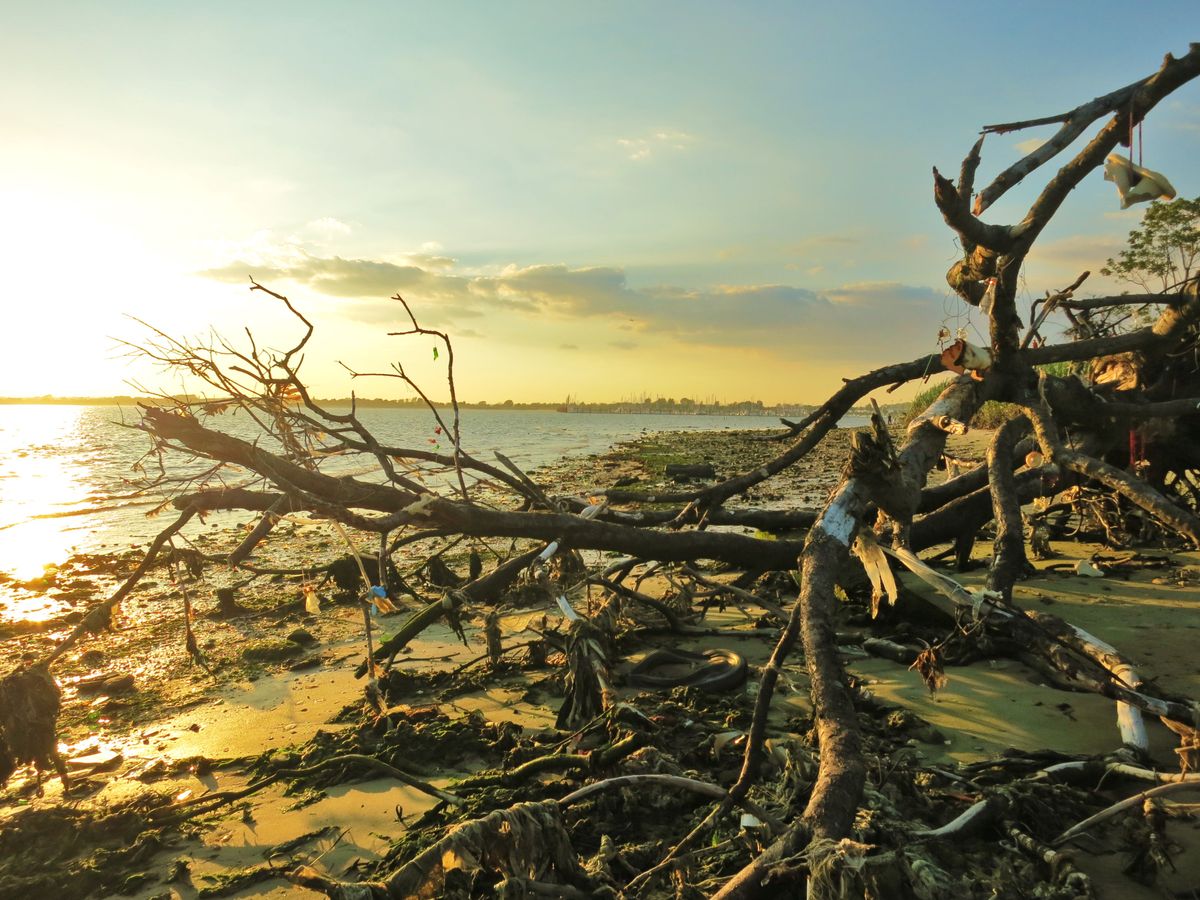
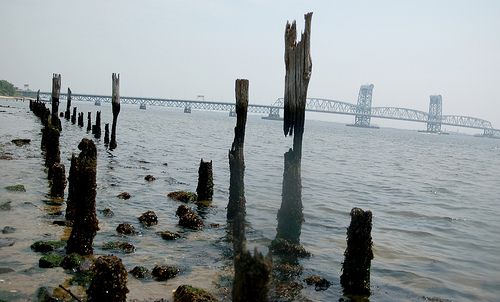
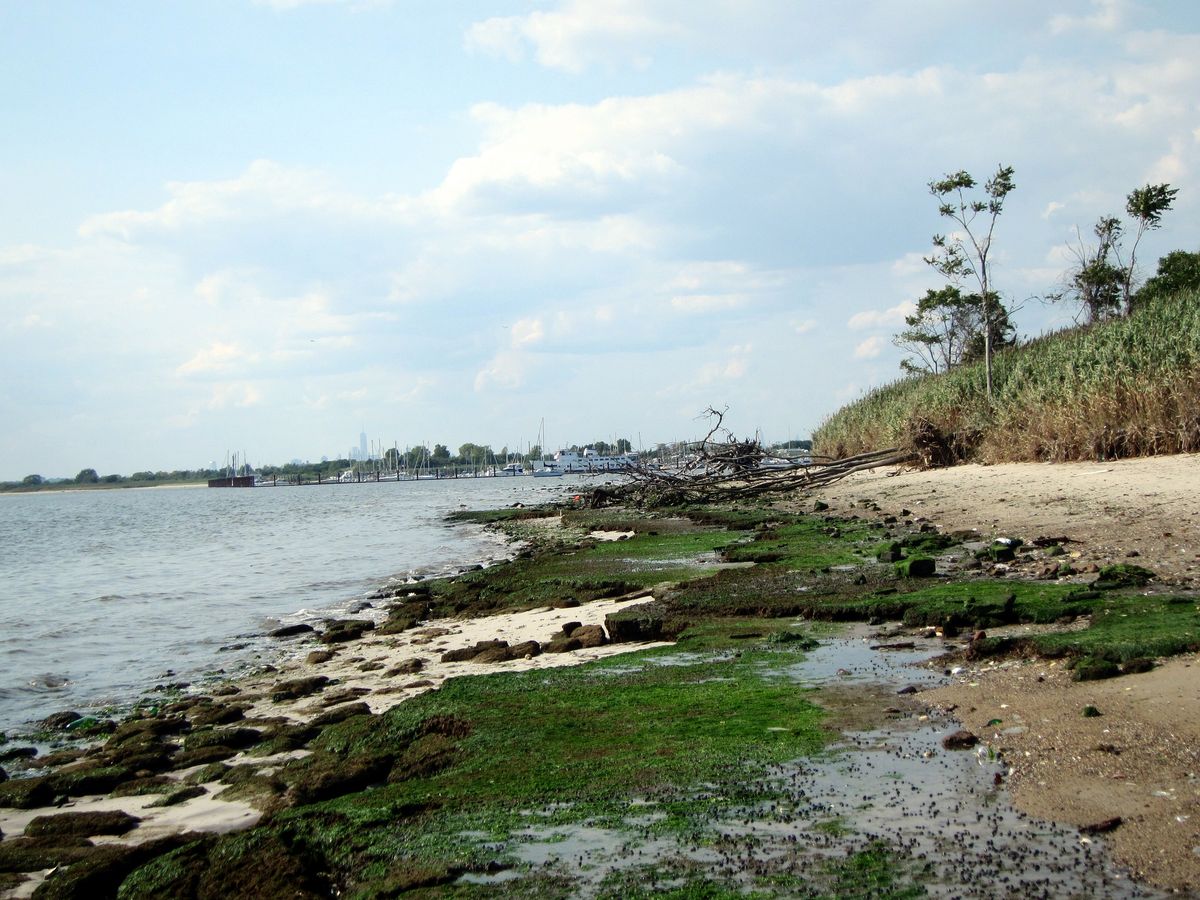
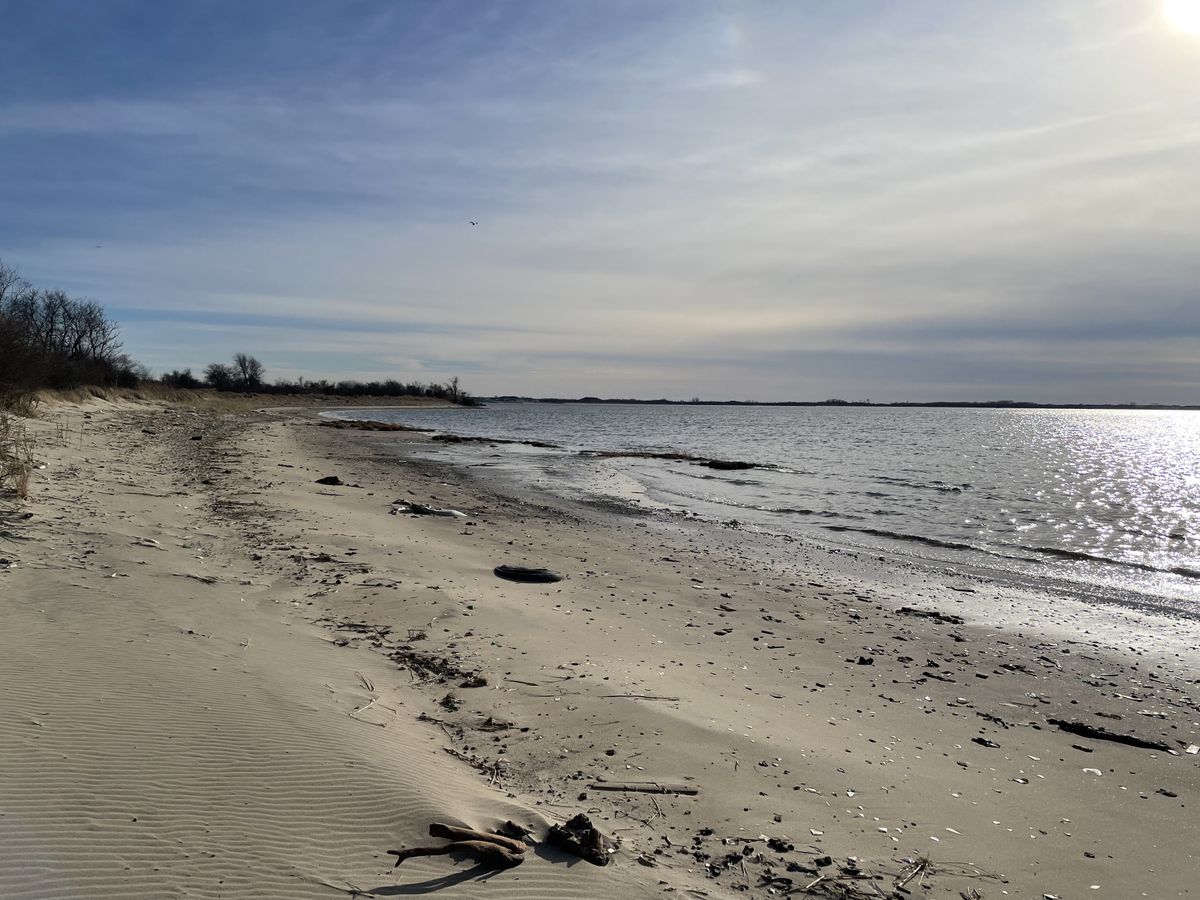
Like most of New York City, Dead Horse Bay has a long history of changes. Over the years, much of old New York has been torn down, replaced, torn down again, and replaced again by new buildings and people, and the layers of history are all but forgotten. Not true at Dead Horse Bay, where remnants of the past litter the beach today.
Along Millstone Trail near the bay, a millstone is left over from the 17th century, when Dutch settlers used the water for tide mills to grind wheat into flour.
The bay was given its name sometime in the 1850s, when horse-rendering plants still surrounded the beach. From the New York Times: "Dead Horse Bay sits at the western edge of a marshland once dotted by more than two dozen horse-rendering plants, fish oil factories and garbage incinerators. From the 1850s until the 1930s, the carcasses of dead horses and other animals from New York City streets were used to manufacture glue, fertilizer and other products at the site. The chopped-up, boiled bones were later dumped into the water. The squalid bay, then accessible only by boat, was reviled for the putrid fumes that hung overhead." As the car industry grew, horses and buggies – thus horse carcasses – became scarce, and by the 1920s there was only one rendering plant left.
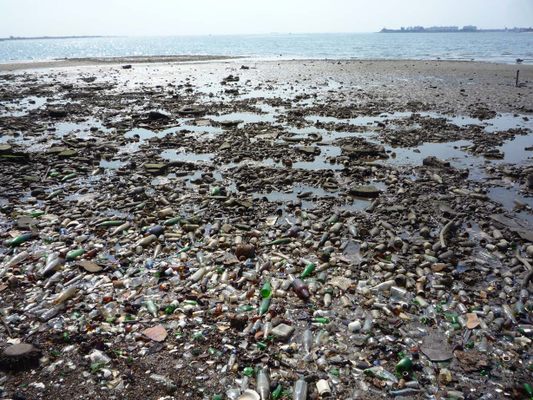
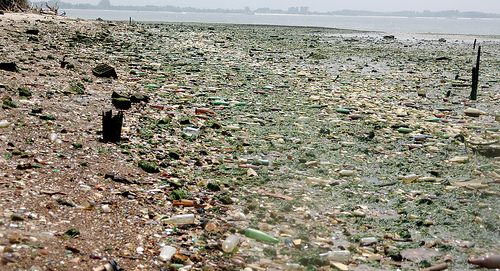
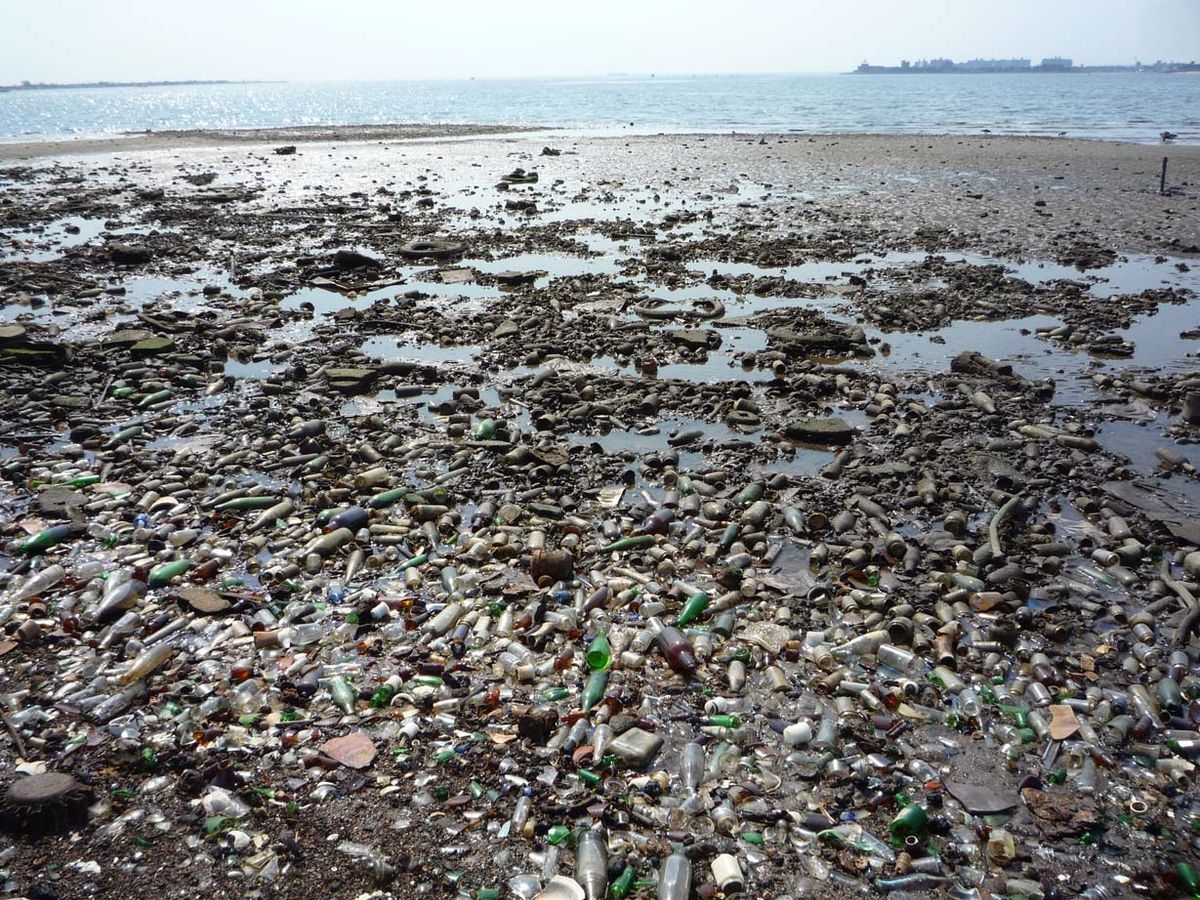
It was during this era, around the turn of the century, that the marsh of Dead Horse Bay began to be used as a landfill. Filled with trash by the 1930s, the trash heap was capped, only to have the cap burst in the 1950s and the trash spew forth onto the beach. Since then garbage has been leaking continually onto the beach and into the ocean from Dead Horse Bay.
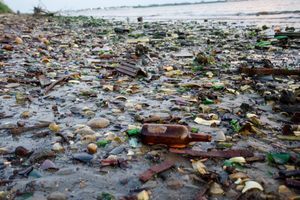
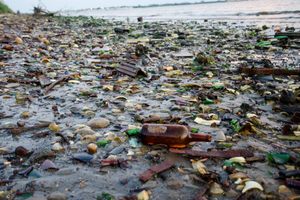
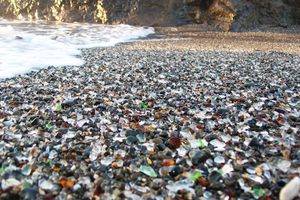
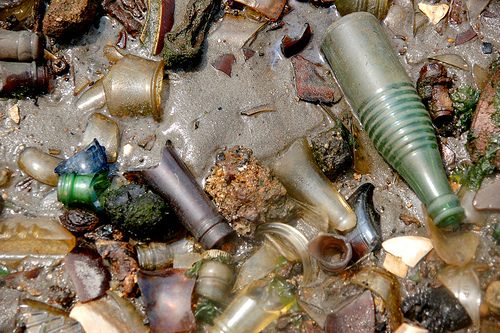
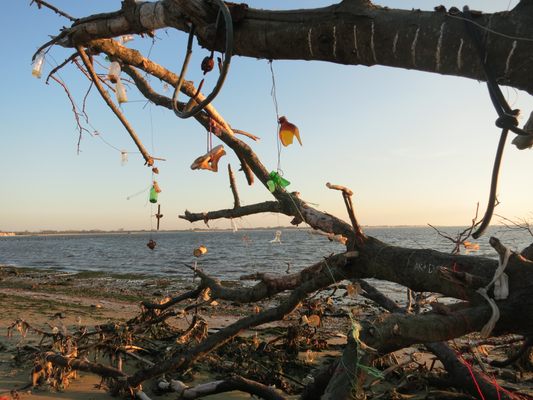
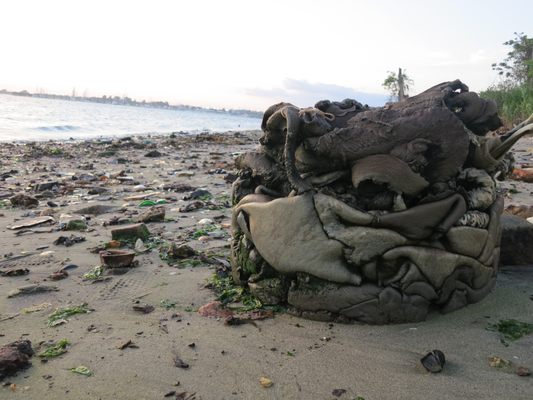
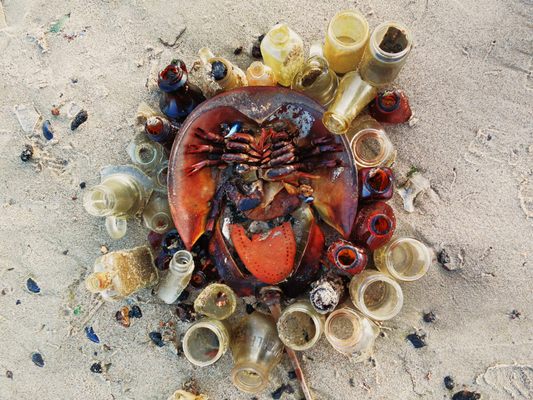
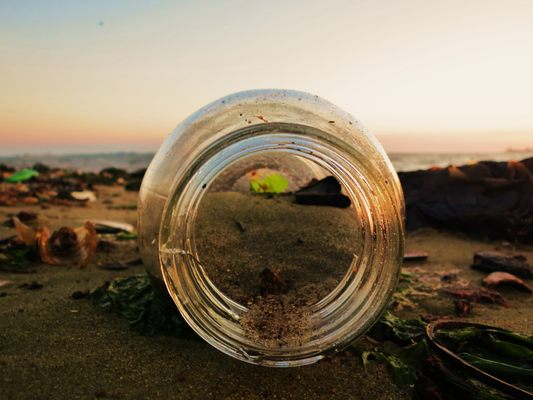
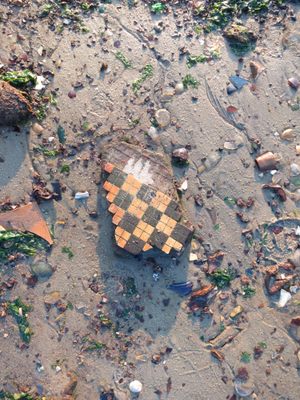
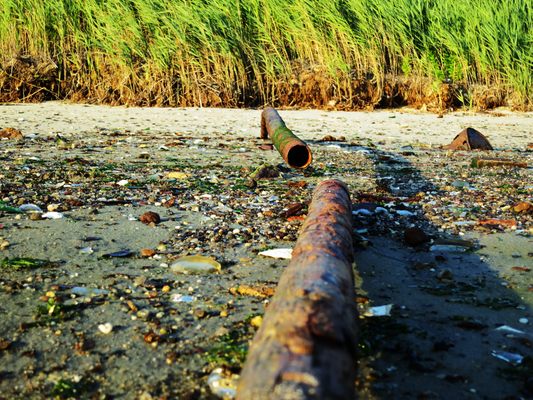
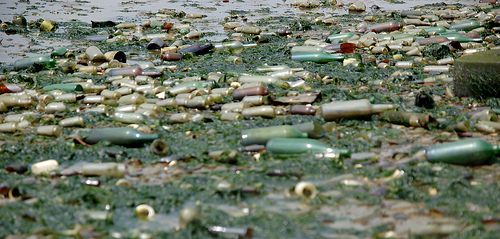
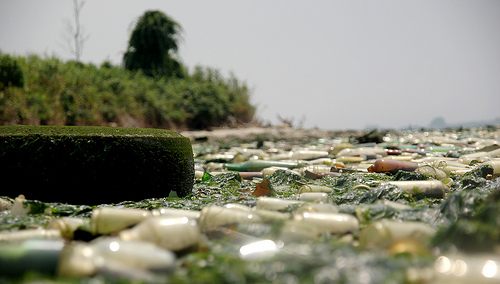
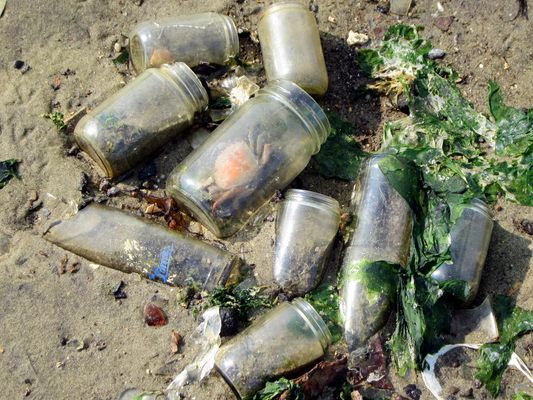
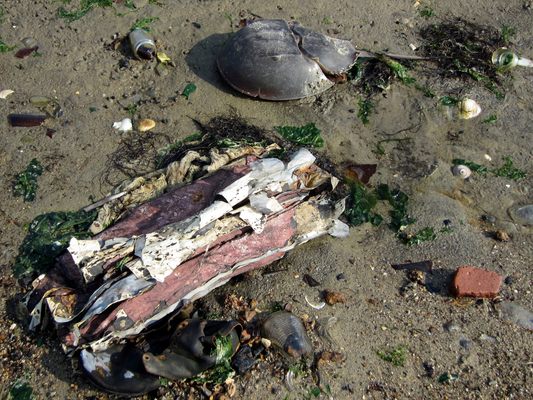
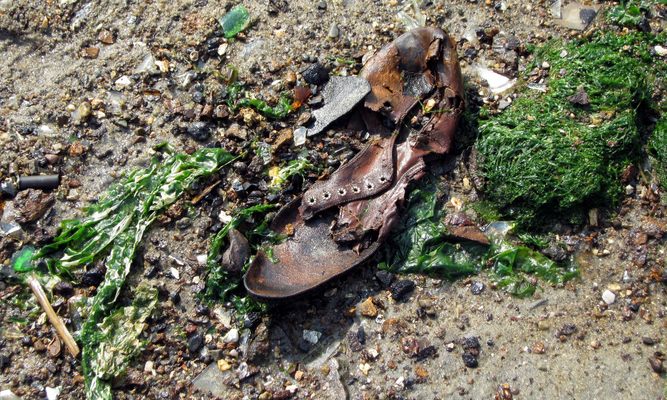
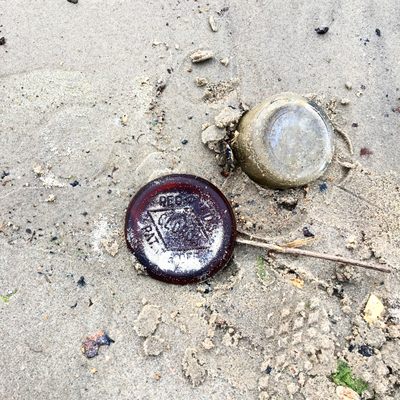
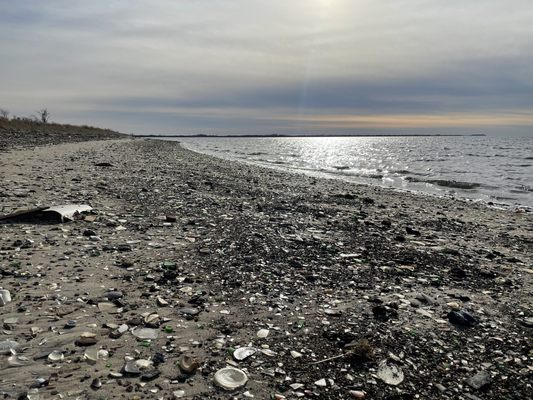
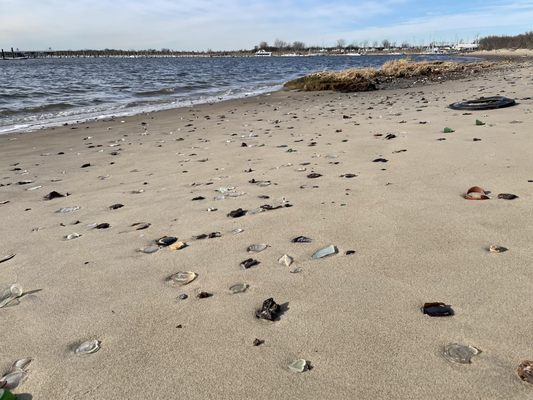
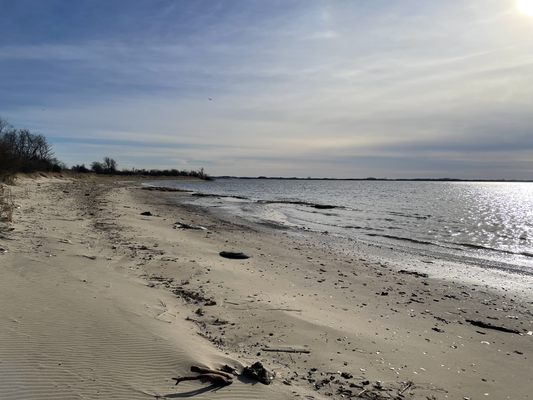
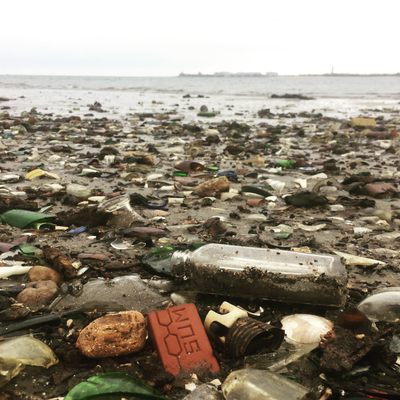
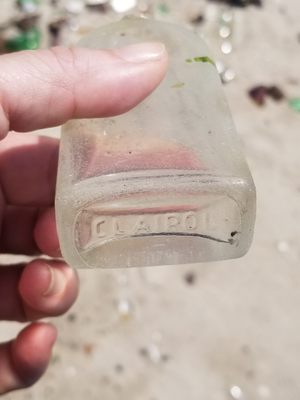
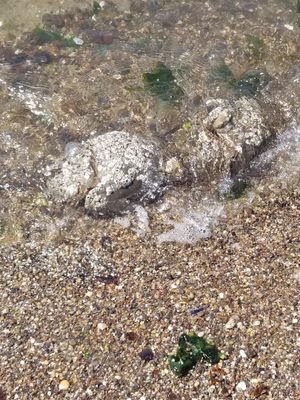
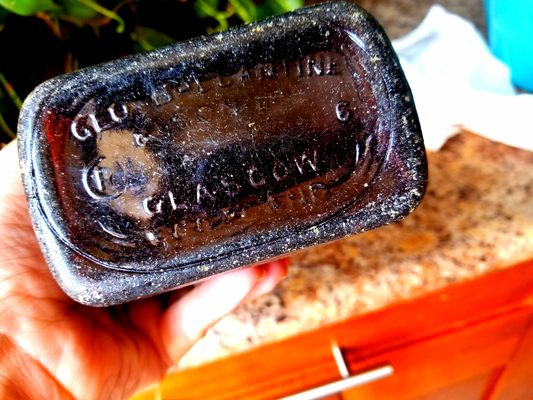
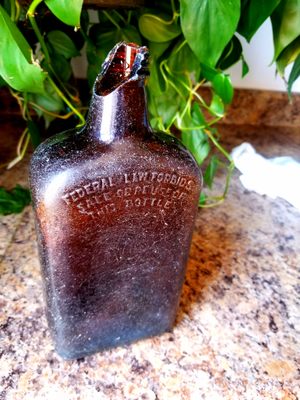
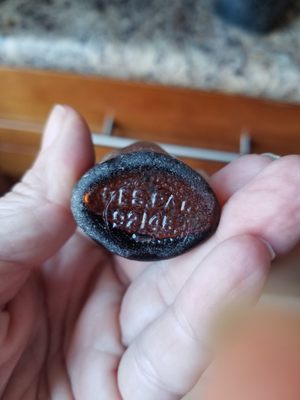
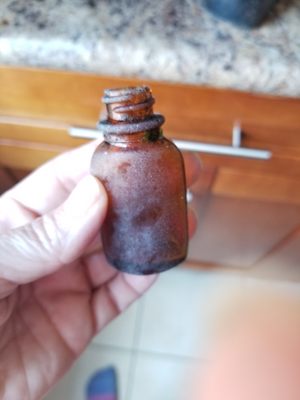
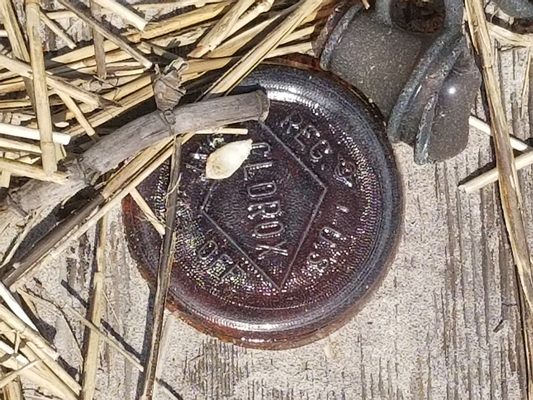
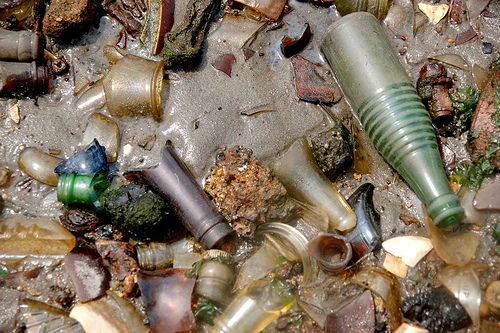
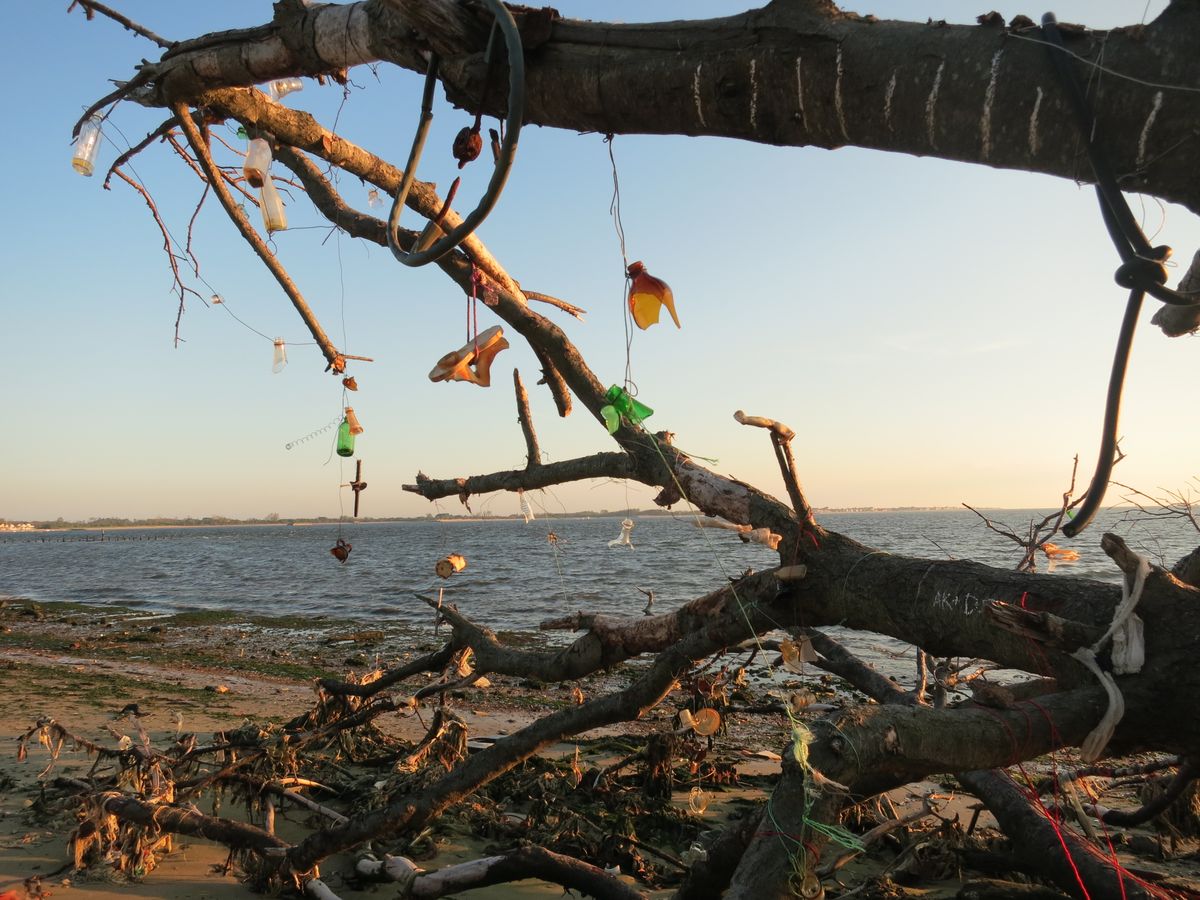
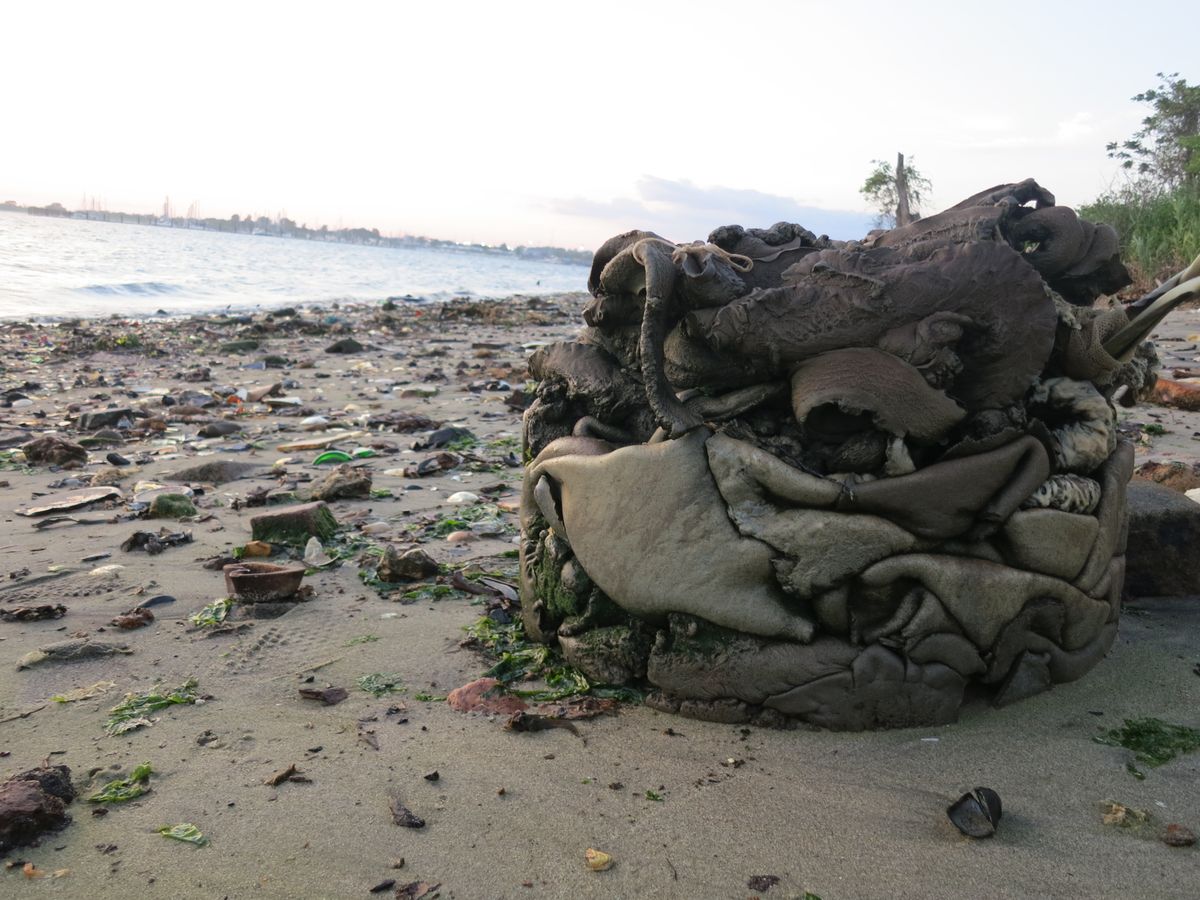
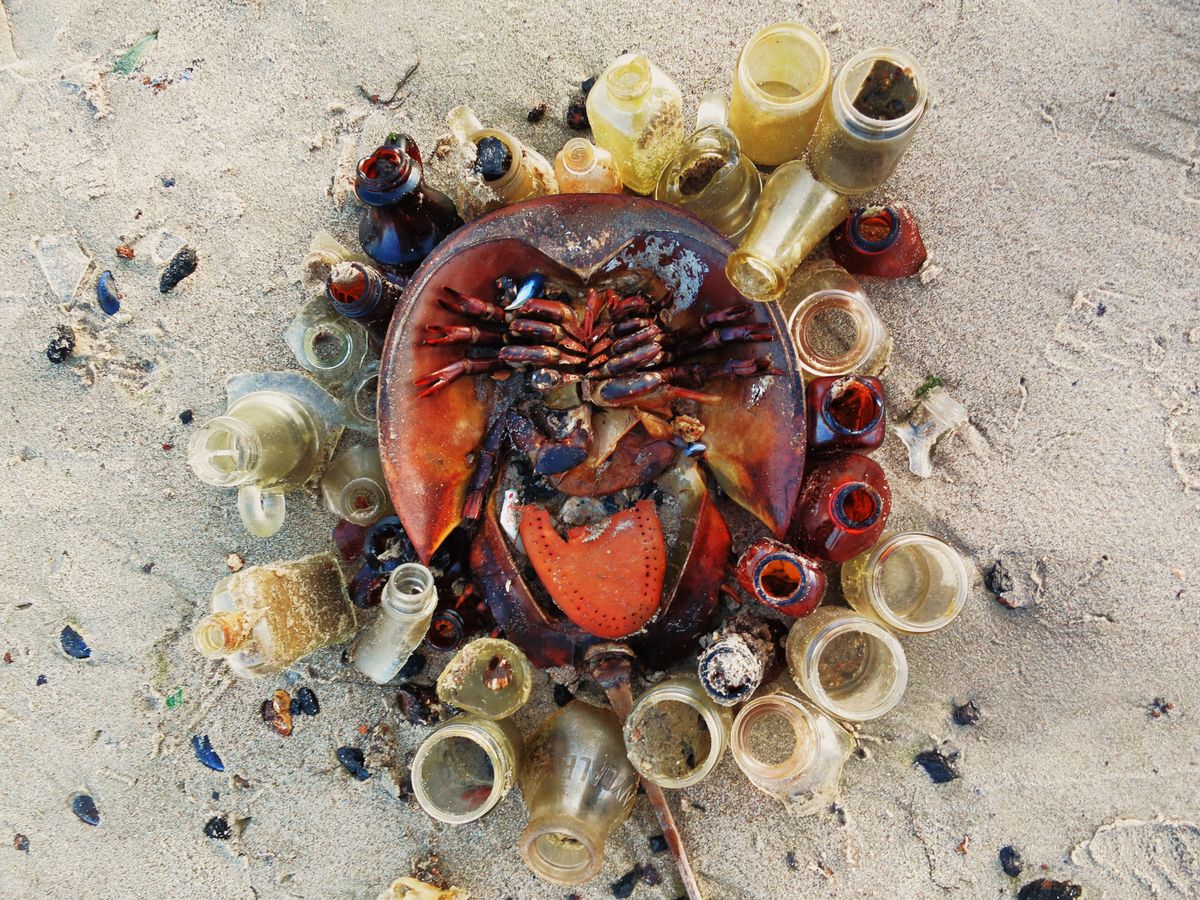
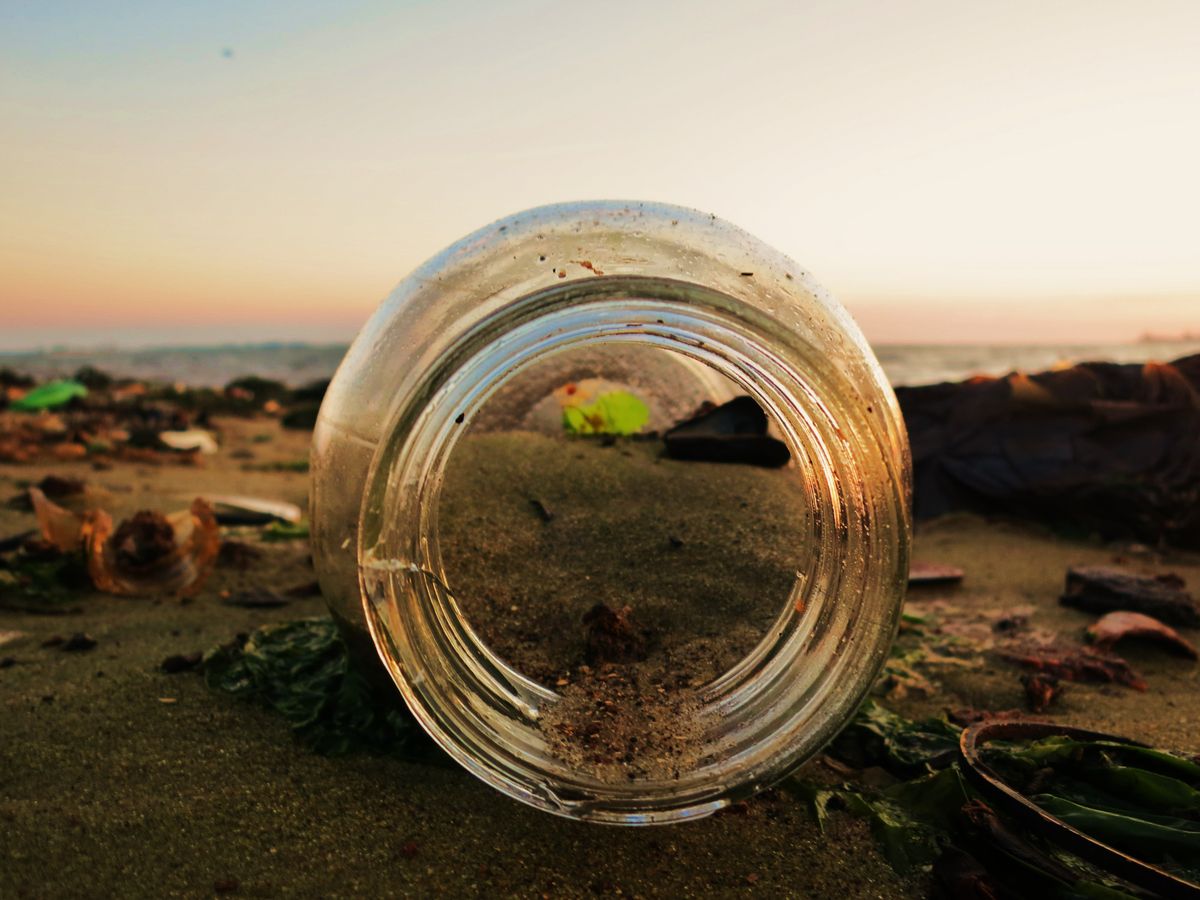
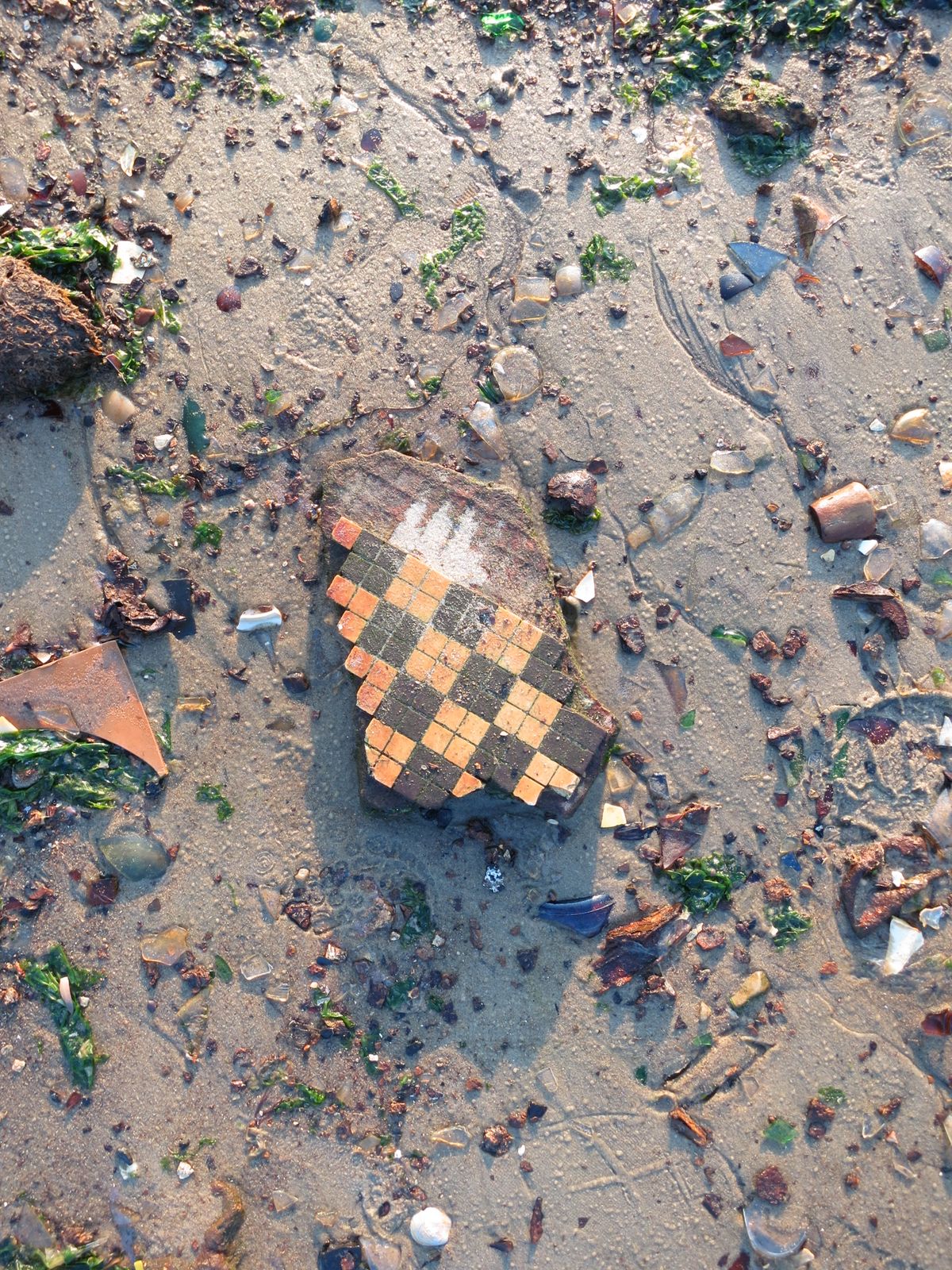
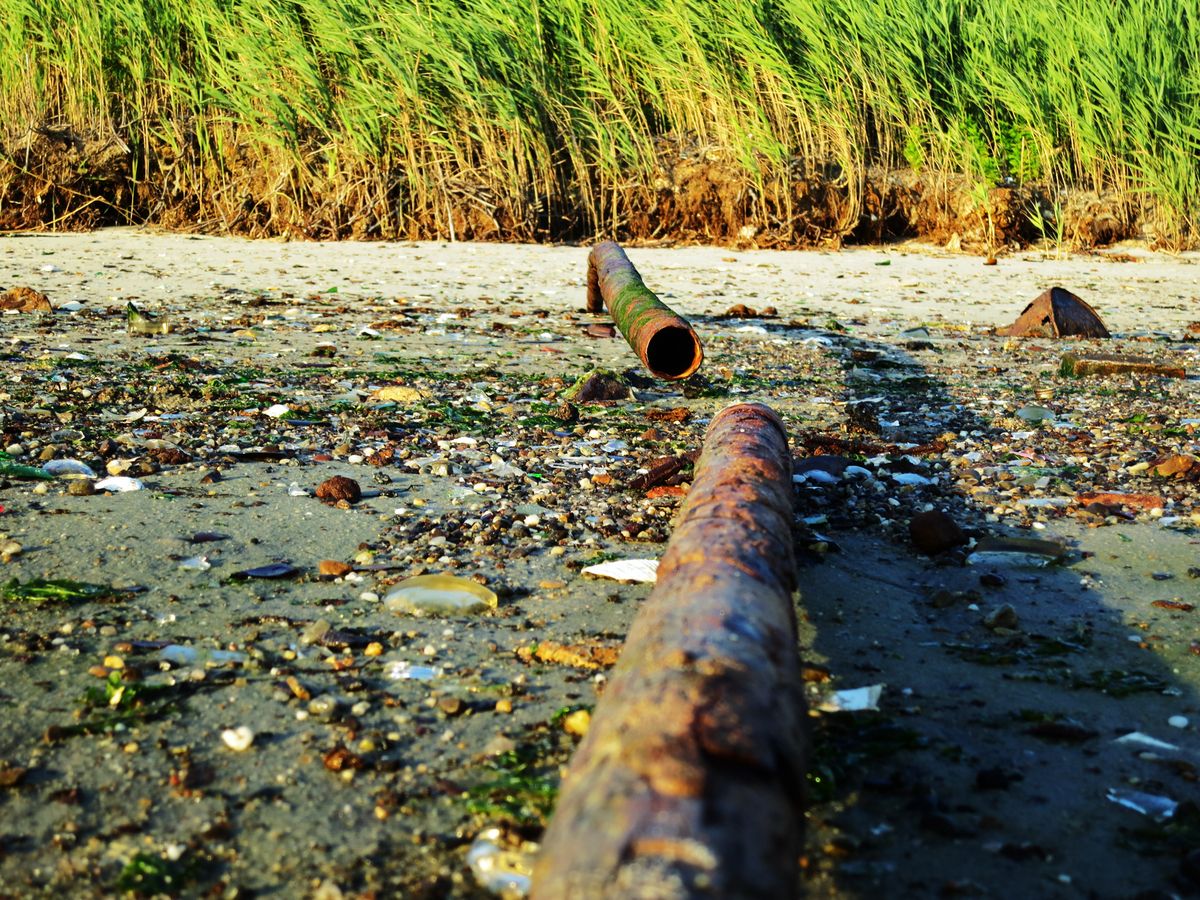
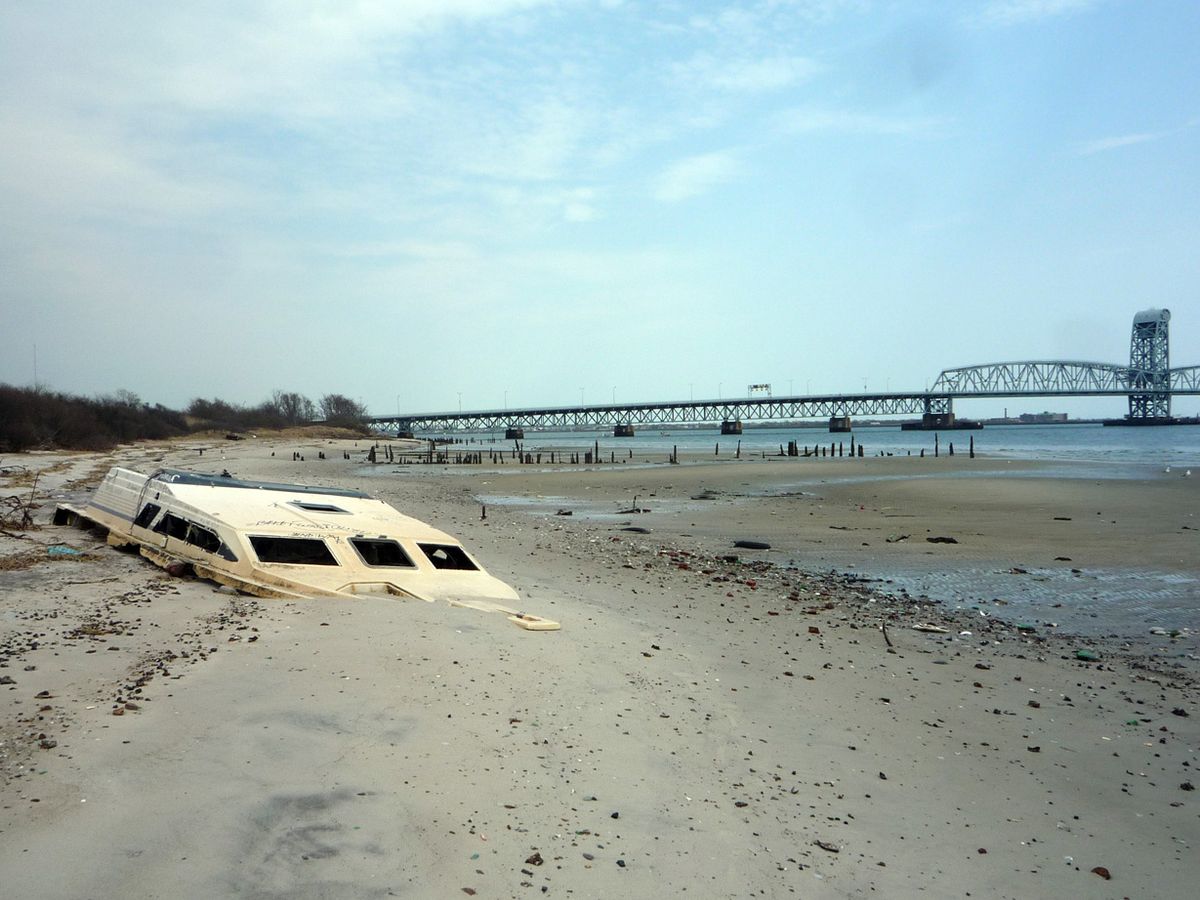
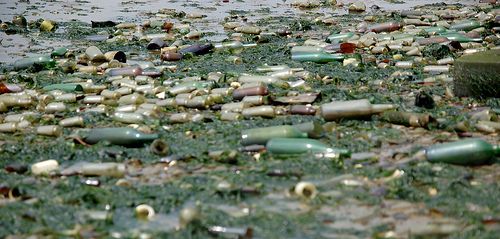
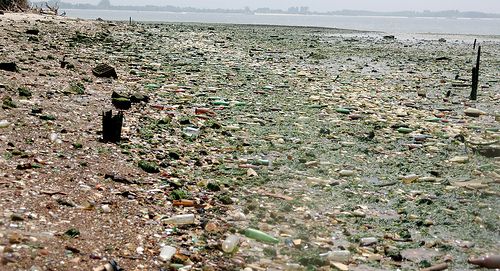
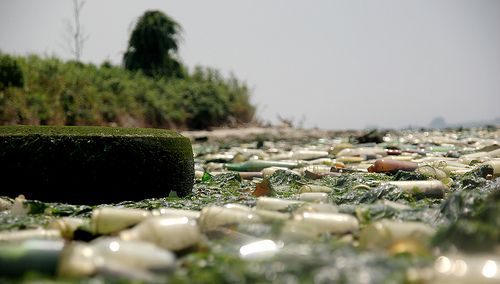
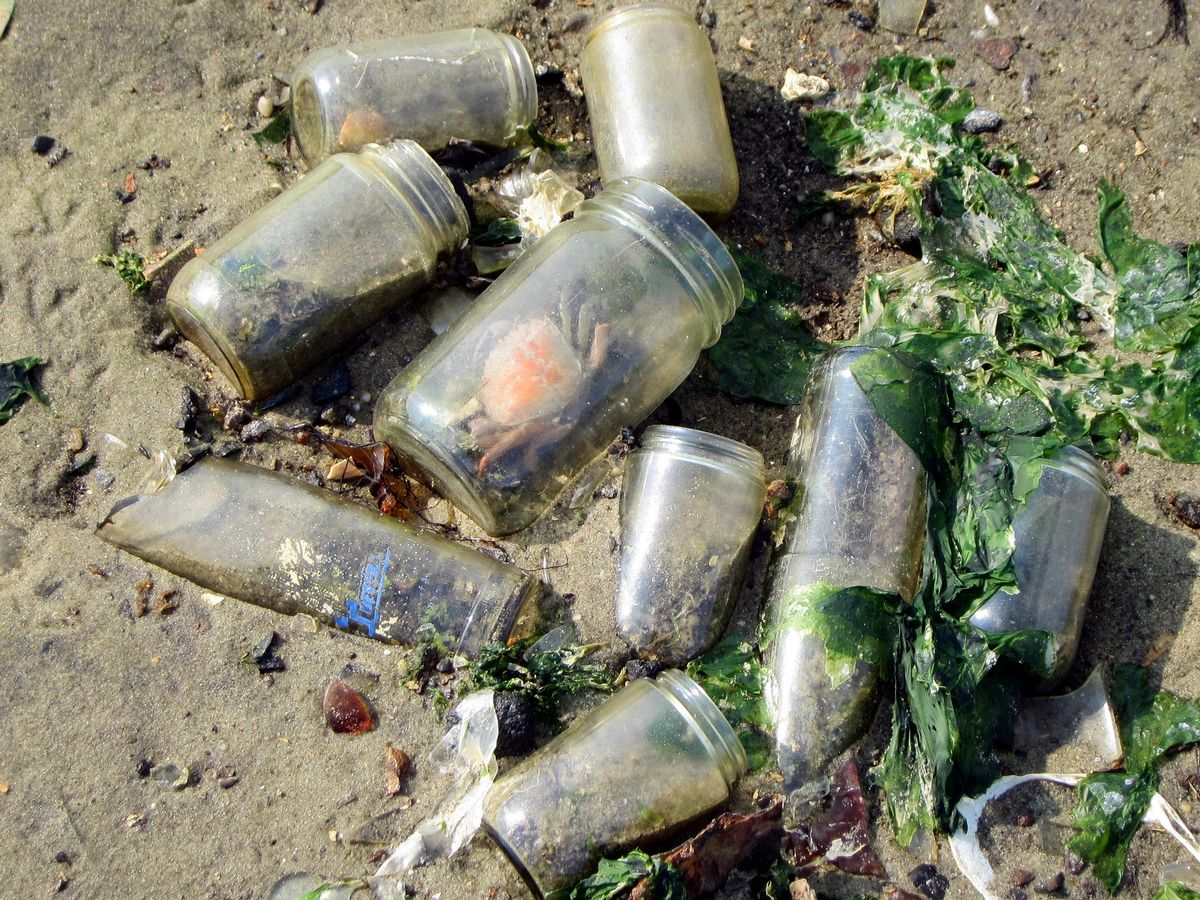
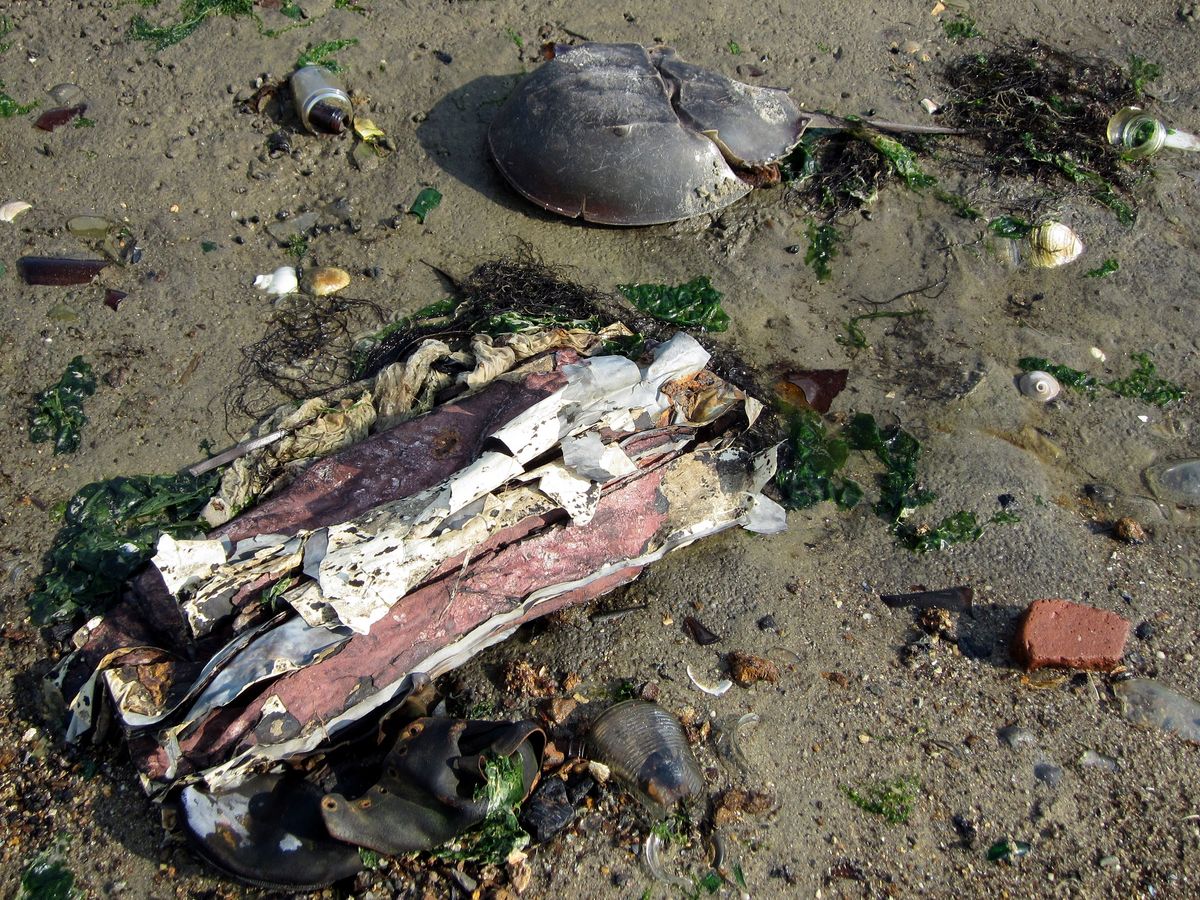
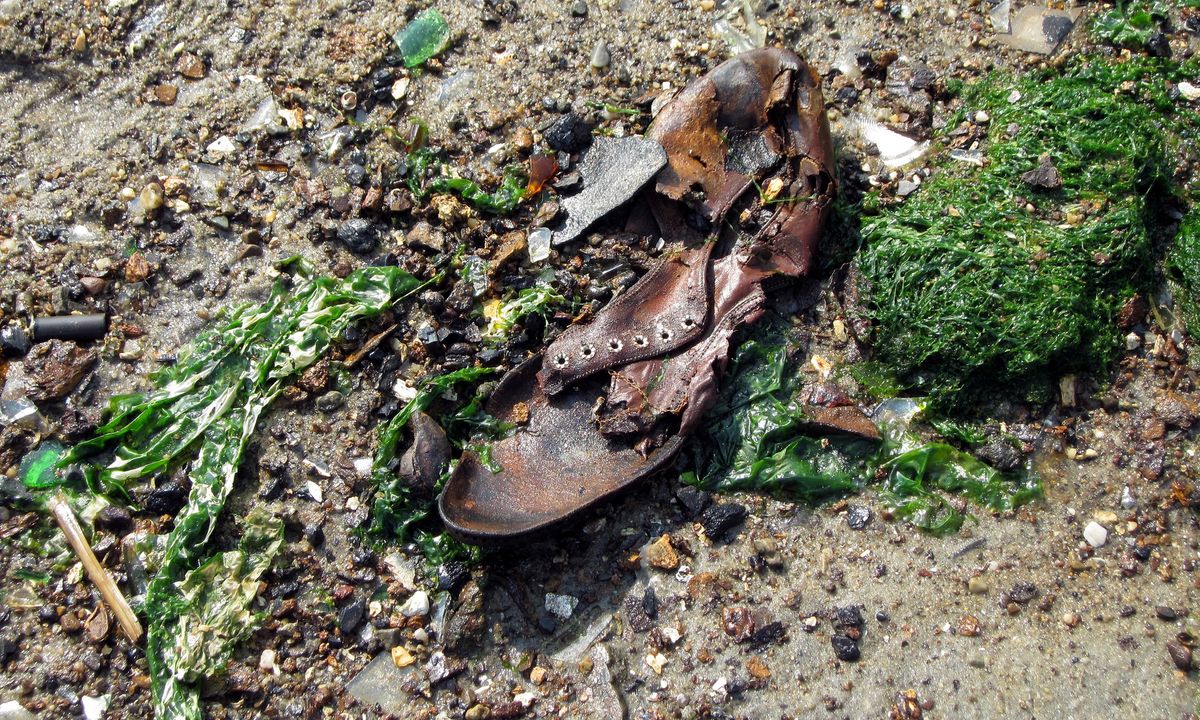
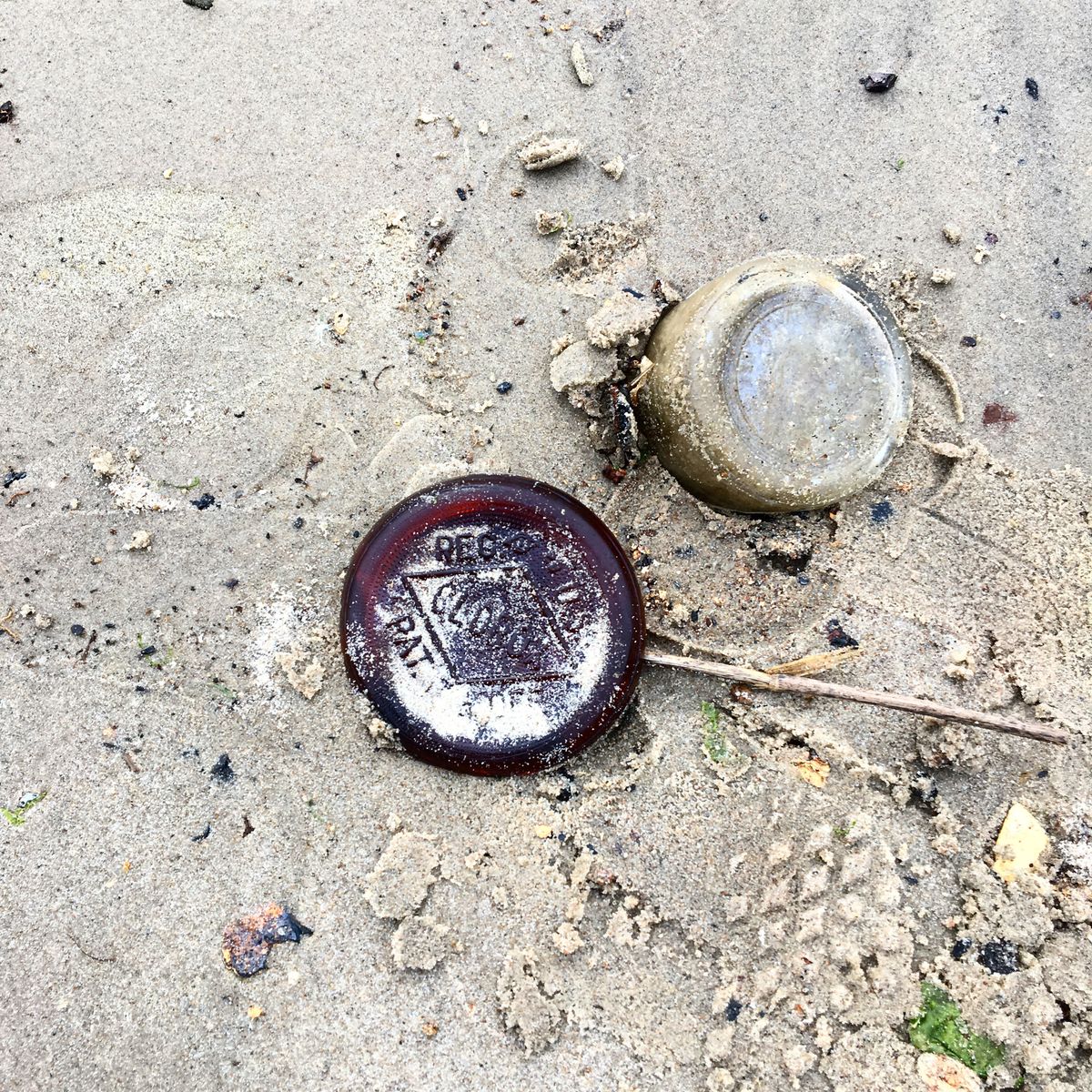
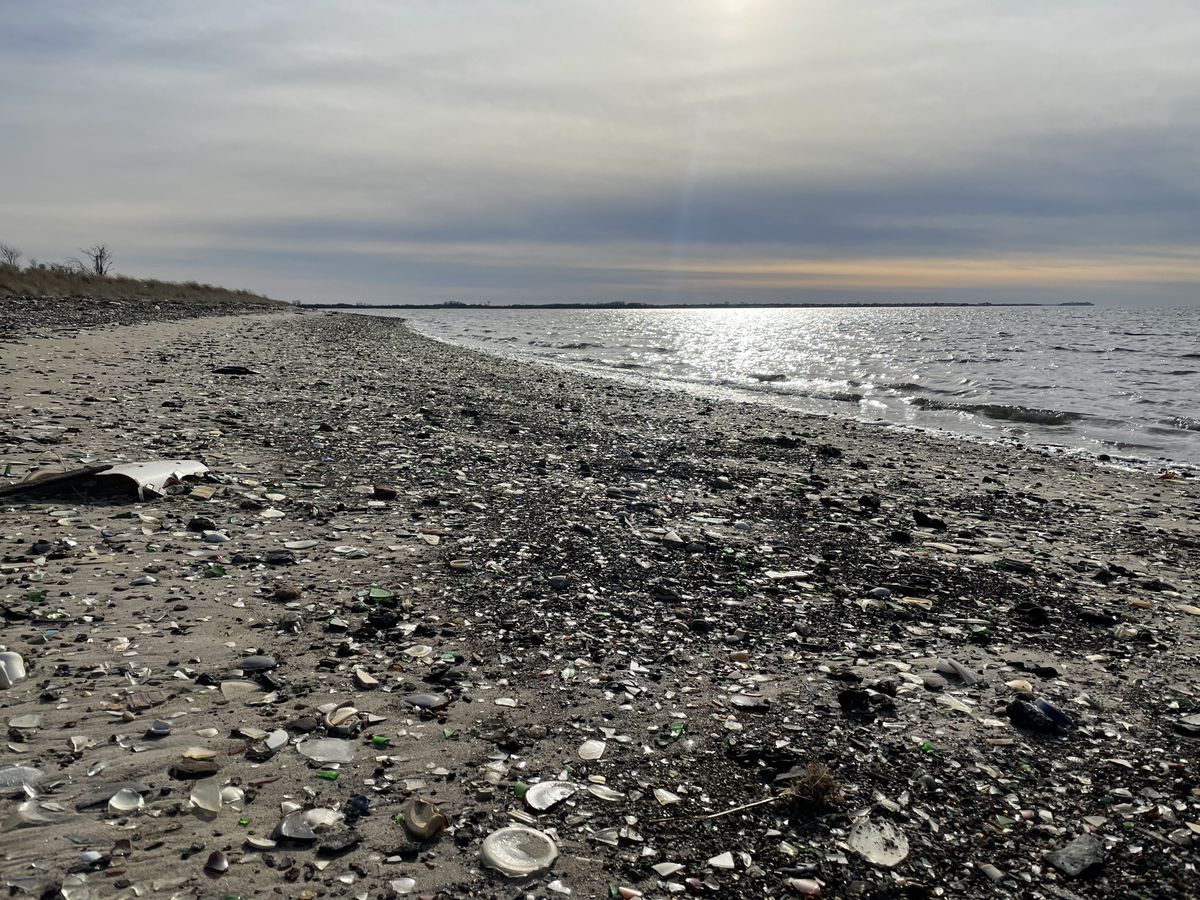
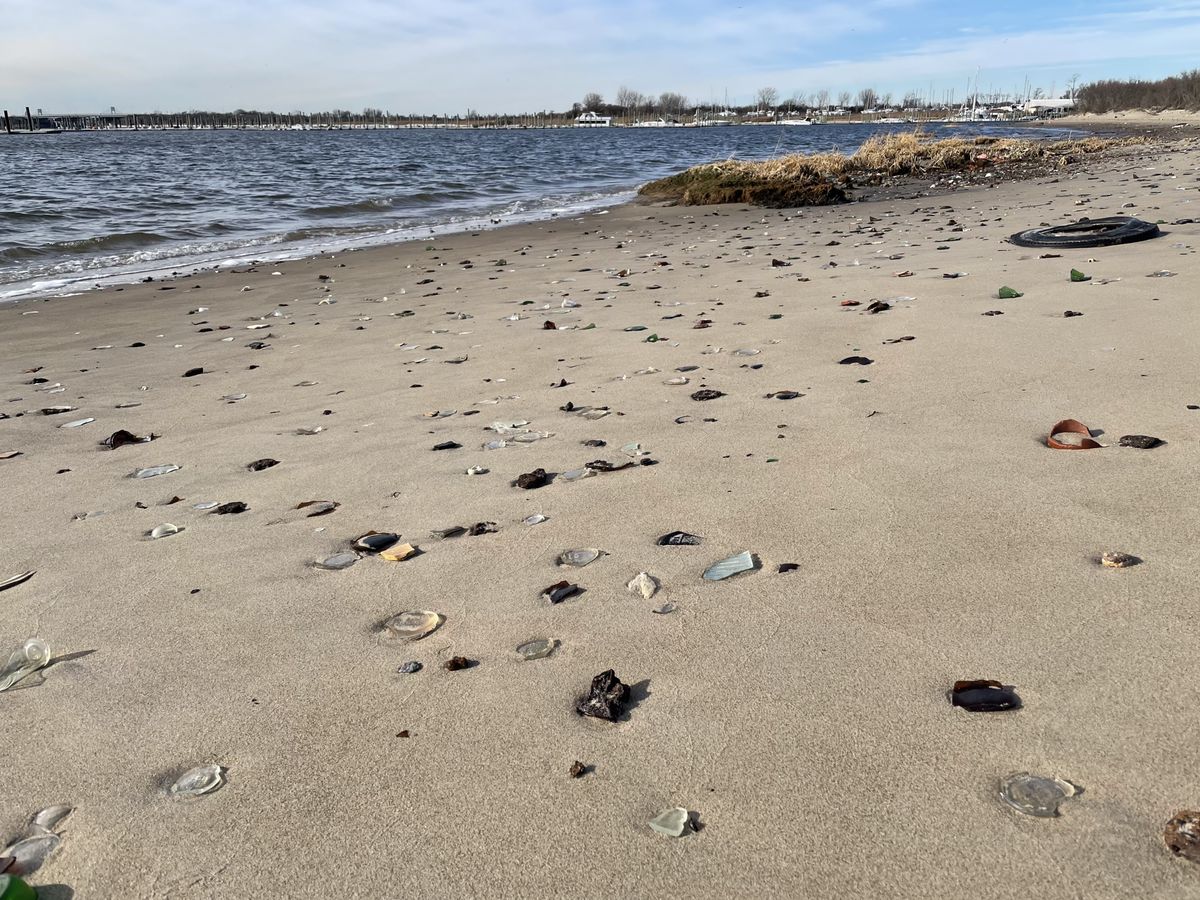
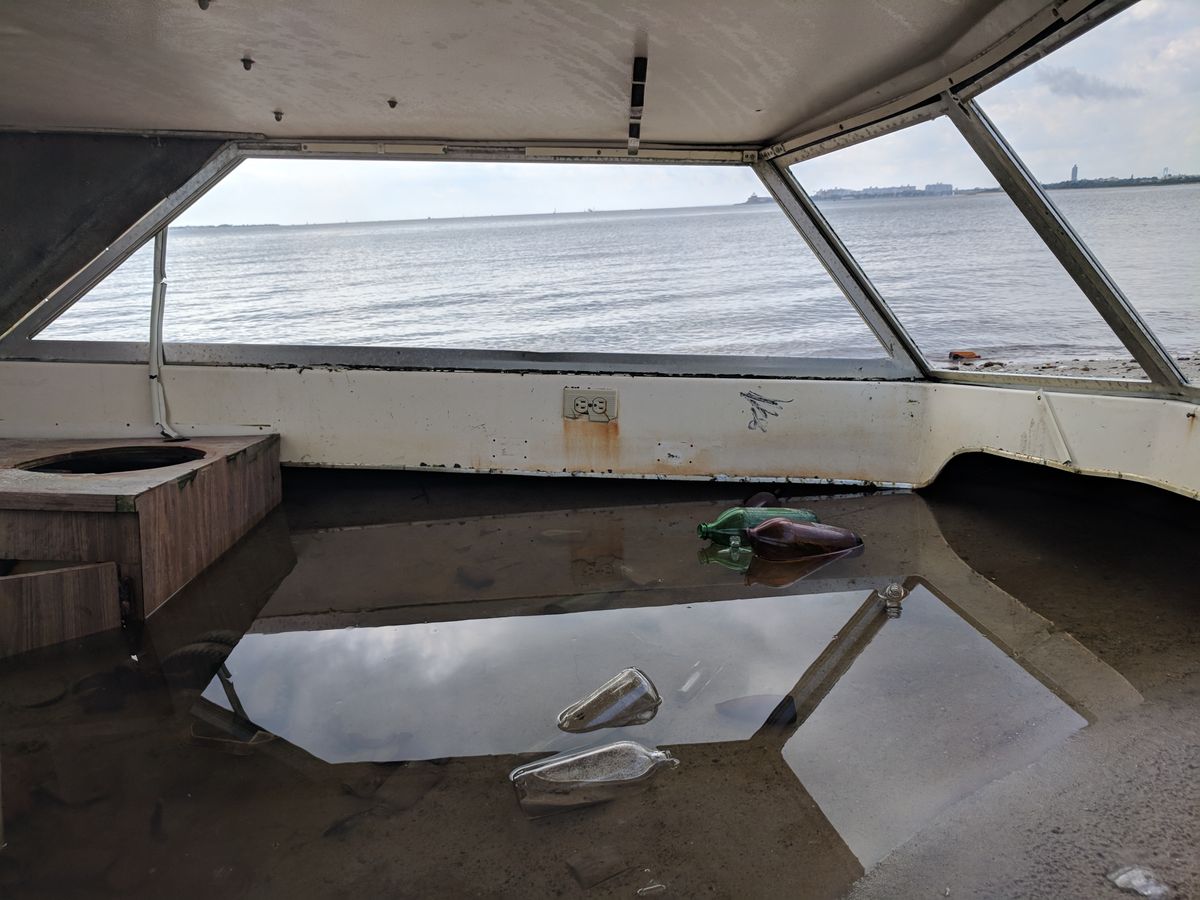
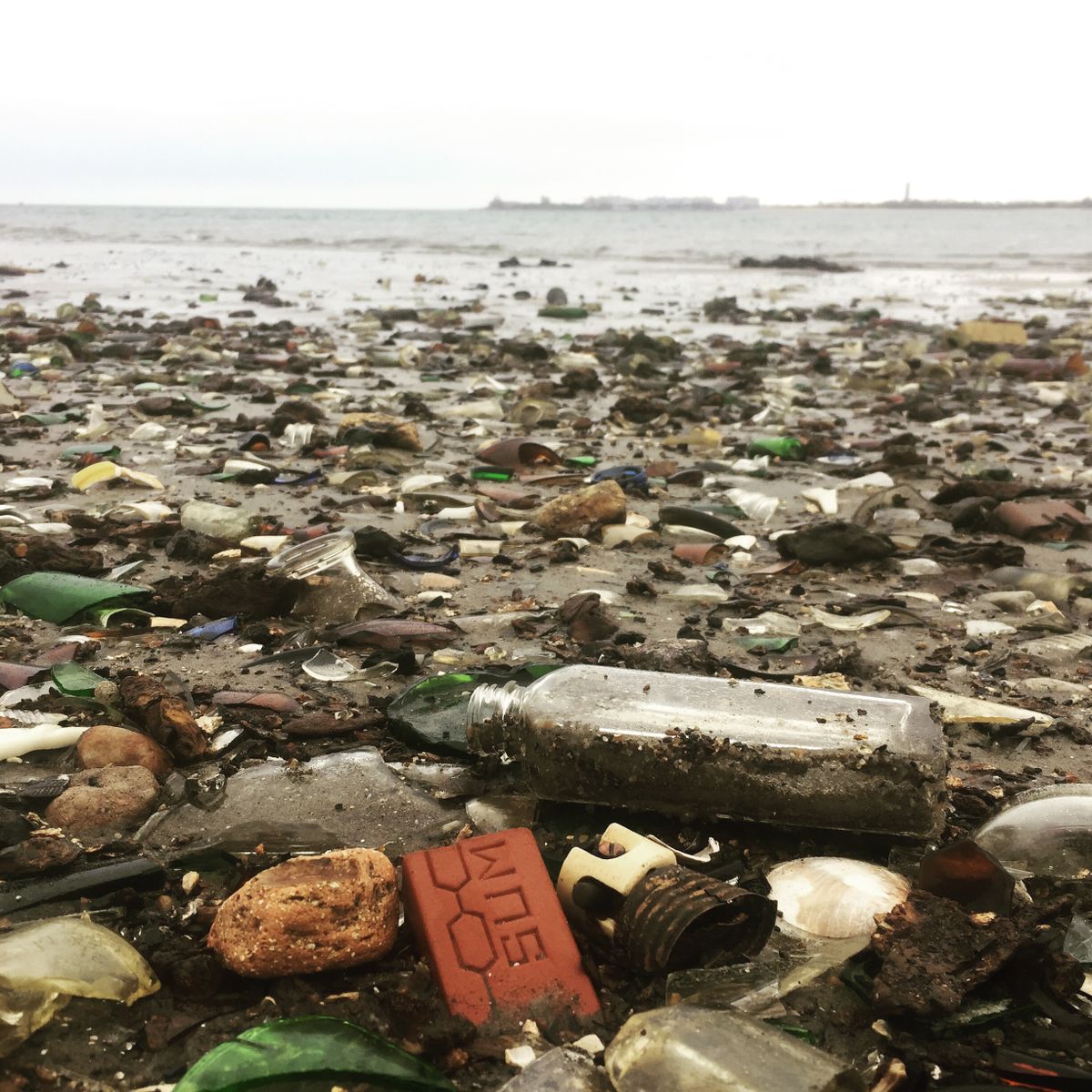
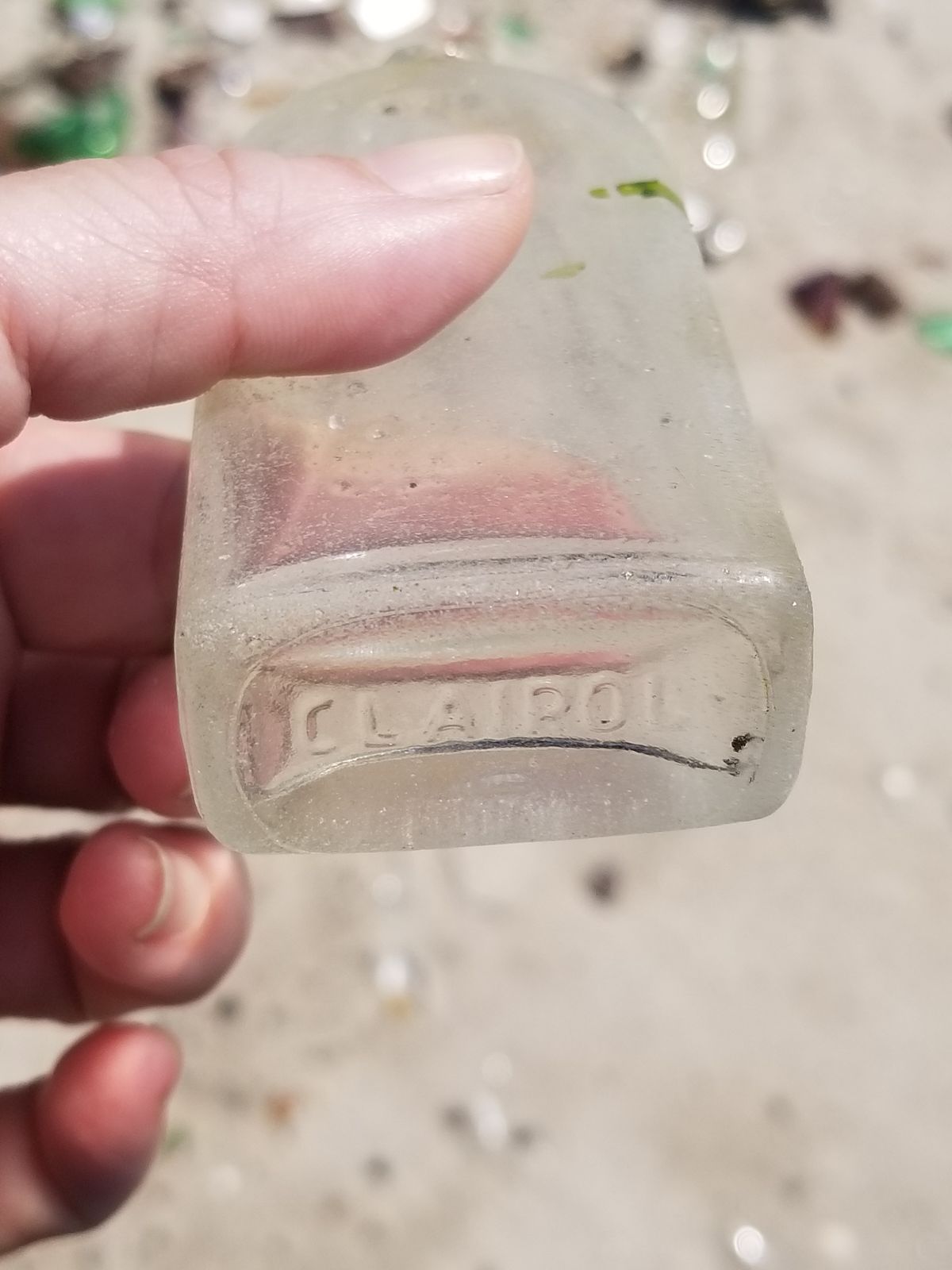
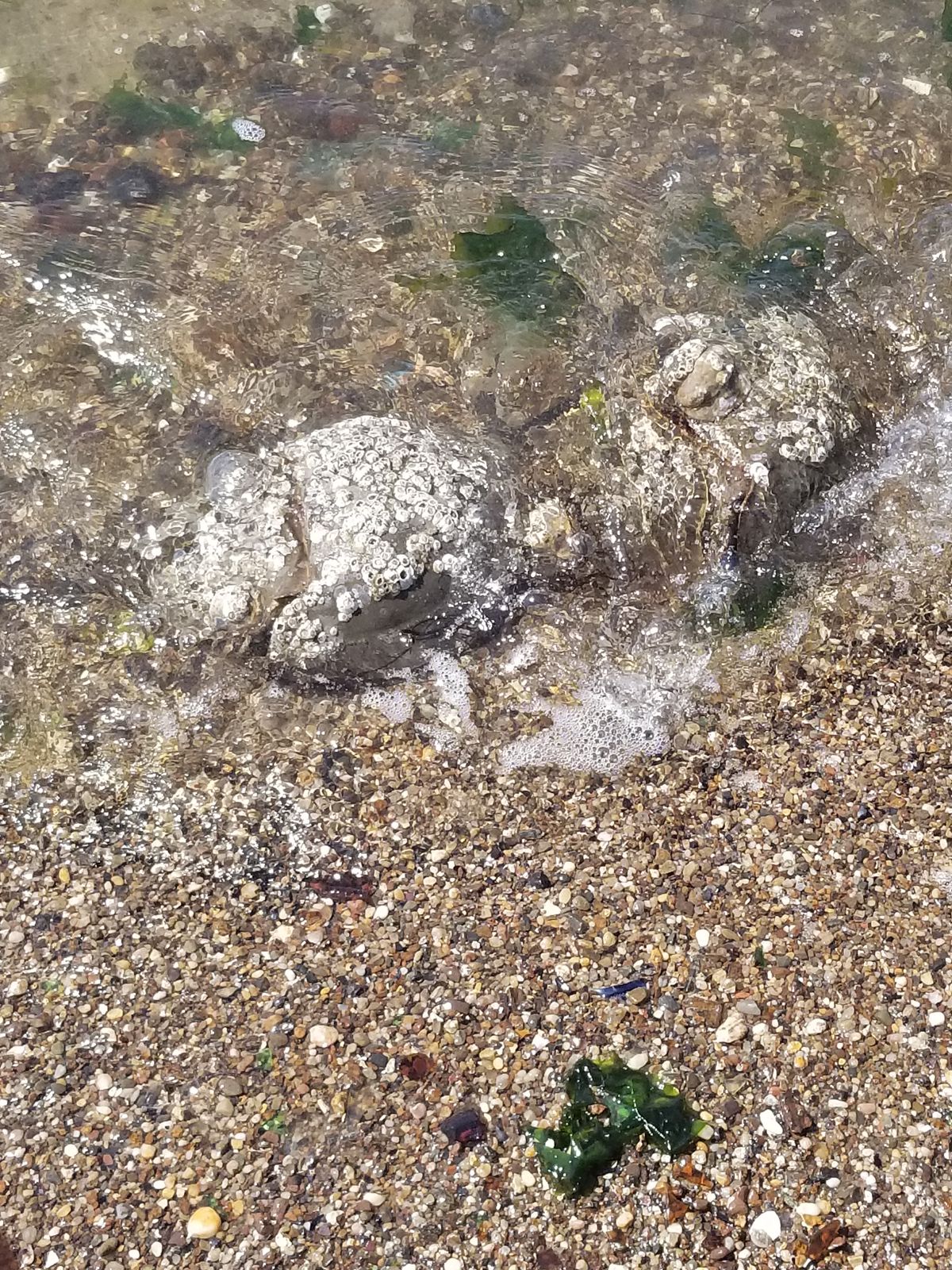
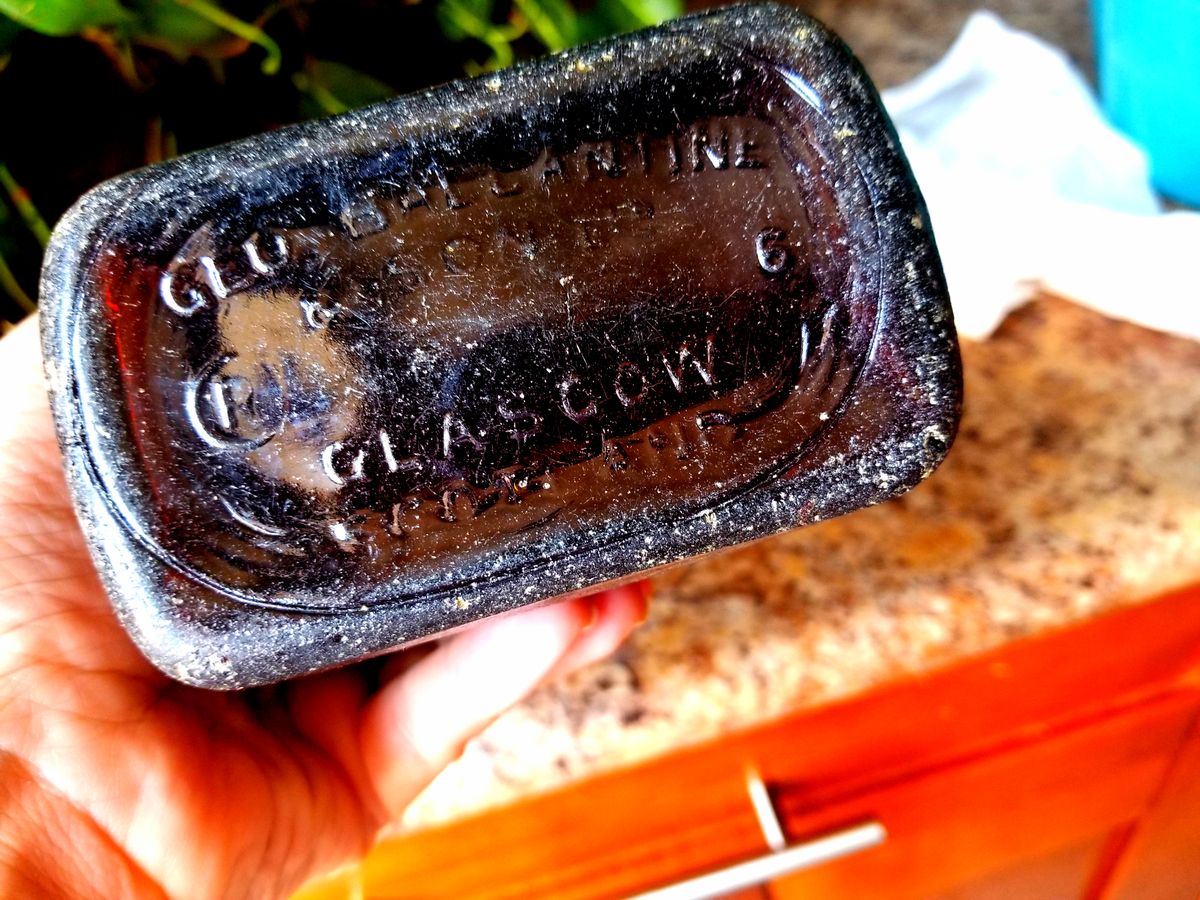
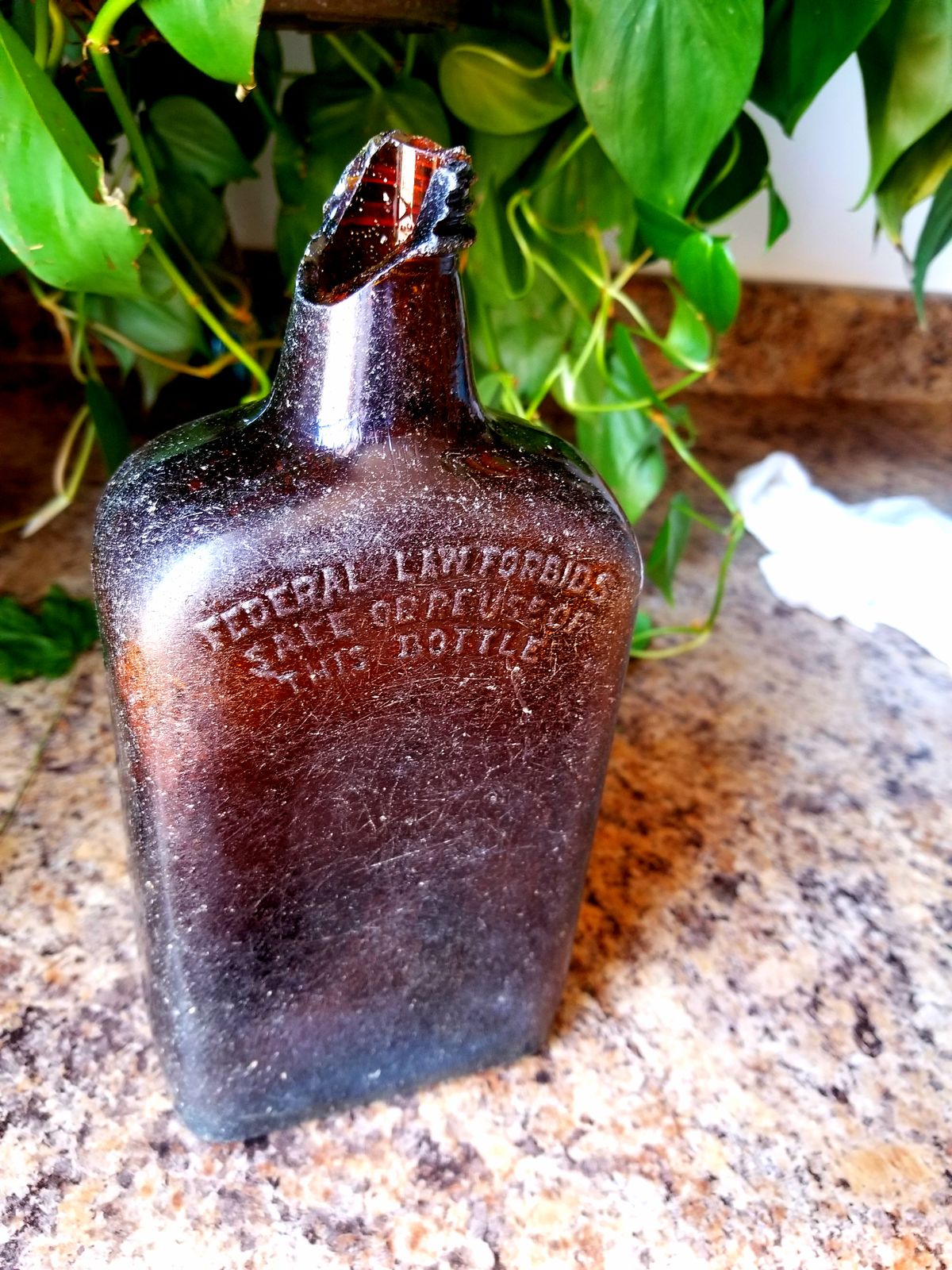
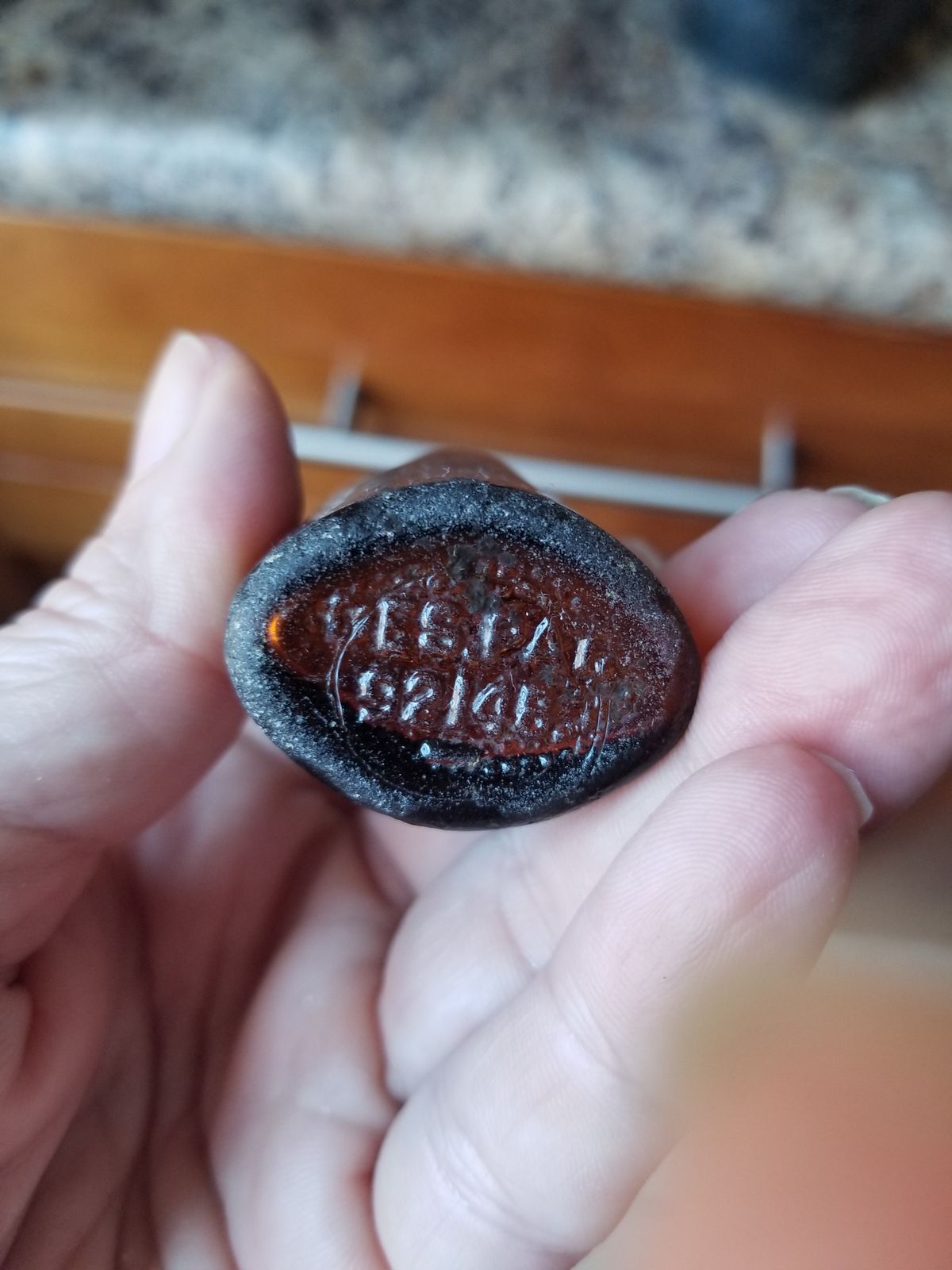
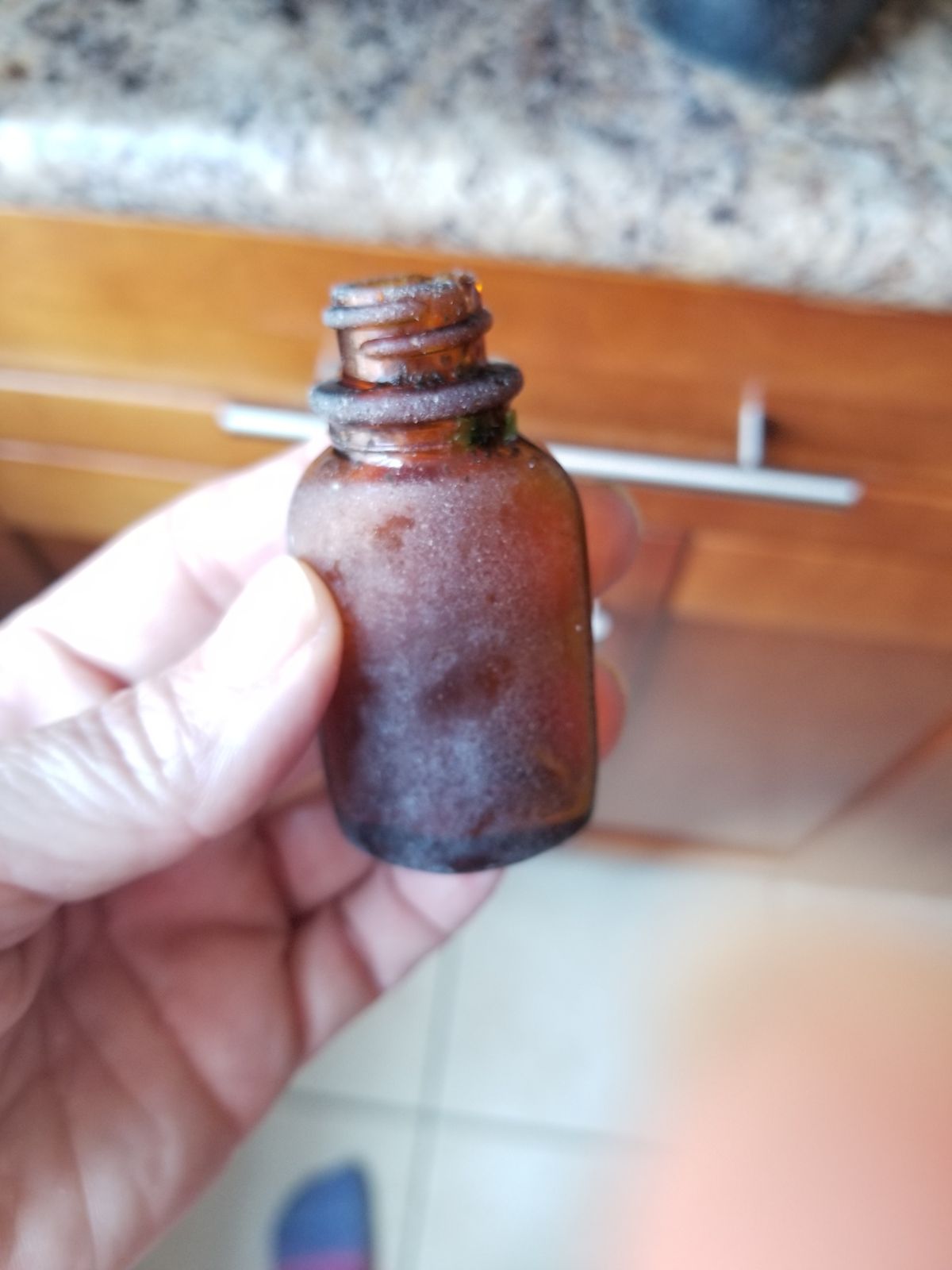
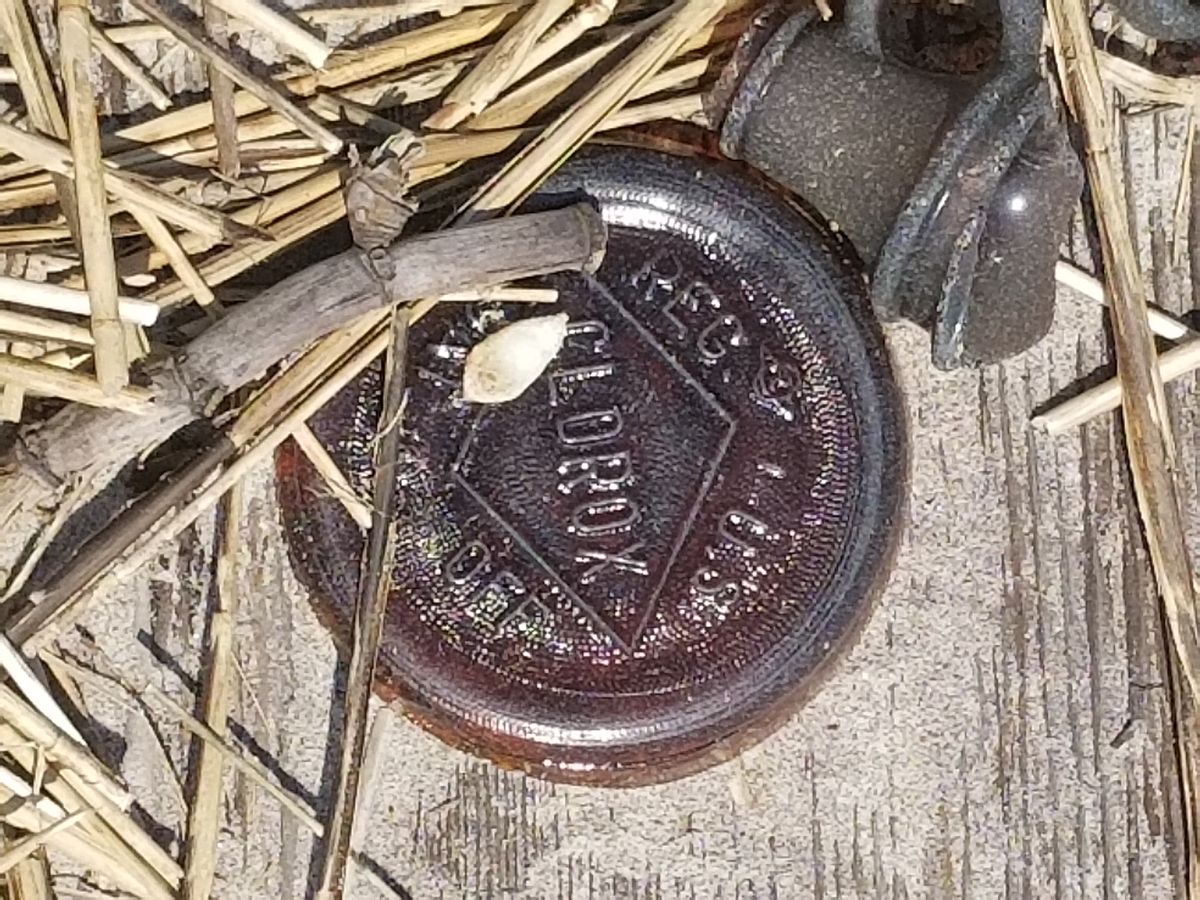
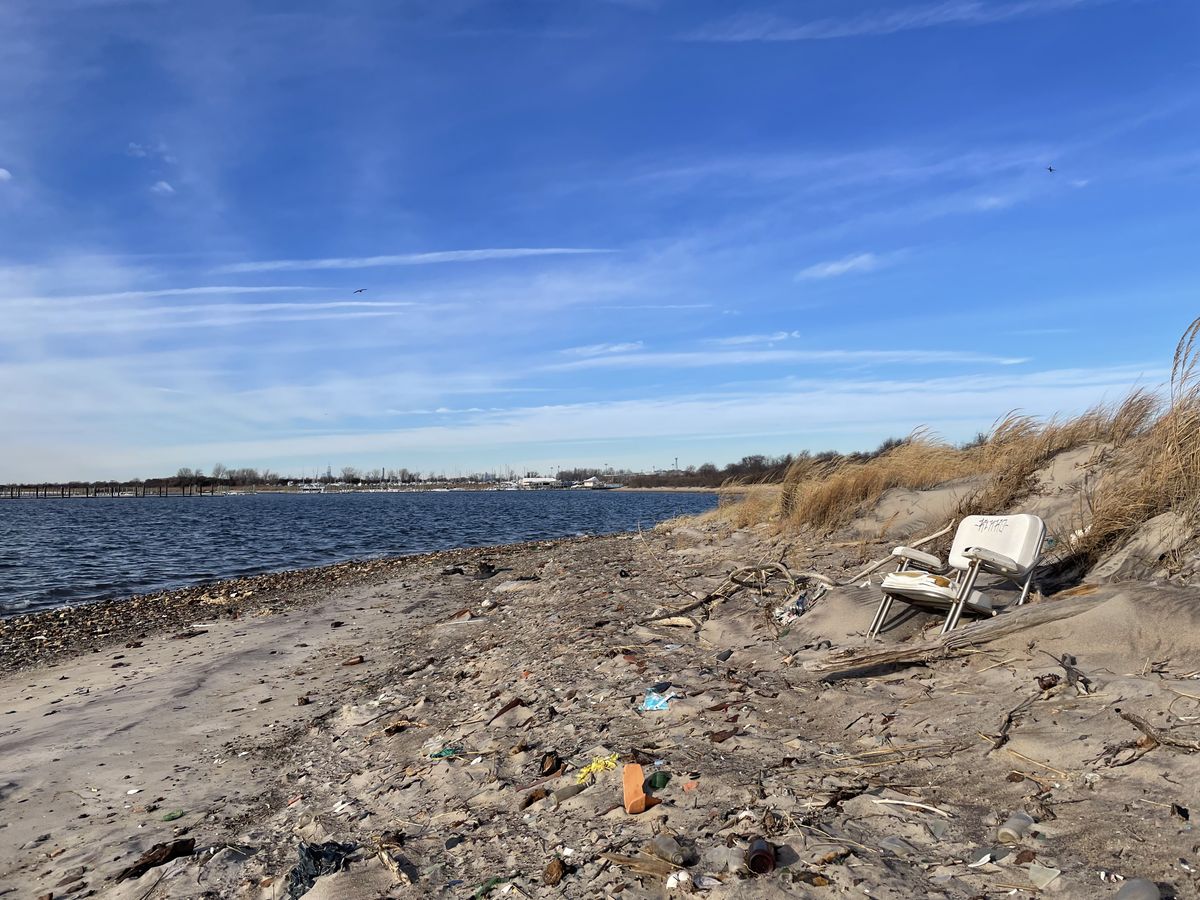
Thousands upon thousands of bottles, broken and intact, many over 100 years old, litter the shore. Other hardy bits of trash pepper this beach of glass: leather shoe soles, rusty telephones, and scores of unidentifiable pieces of metal and plastic. The beach is usually empty, conjuring a quiet, eerie post-doomsday kind of scene. The horses aren't quite gone either; found throughout the bay are one-inch chunks of horse bone, a somewhat unpleasant reminder of Dead Horse Bay's pungent past.
Update as of August 2020: The National Park Service closed 84 acres of the 178-acre former dump in August 2020 when radiological contamination was found at the site.
Related Tags
Know Before You Go
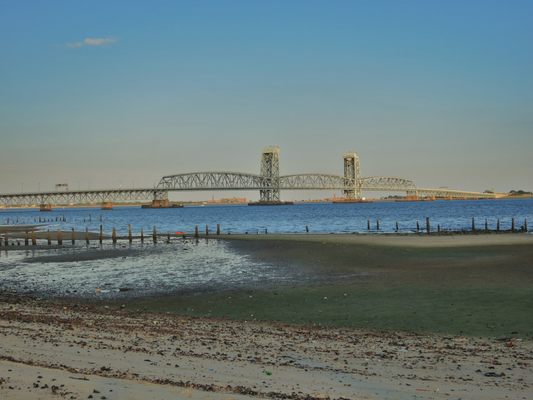
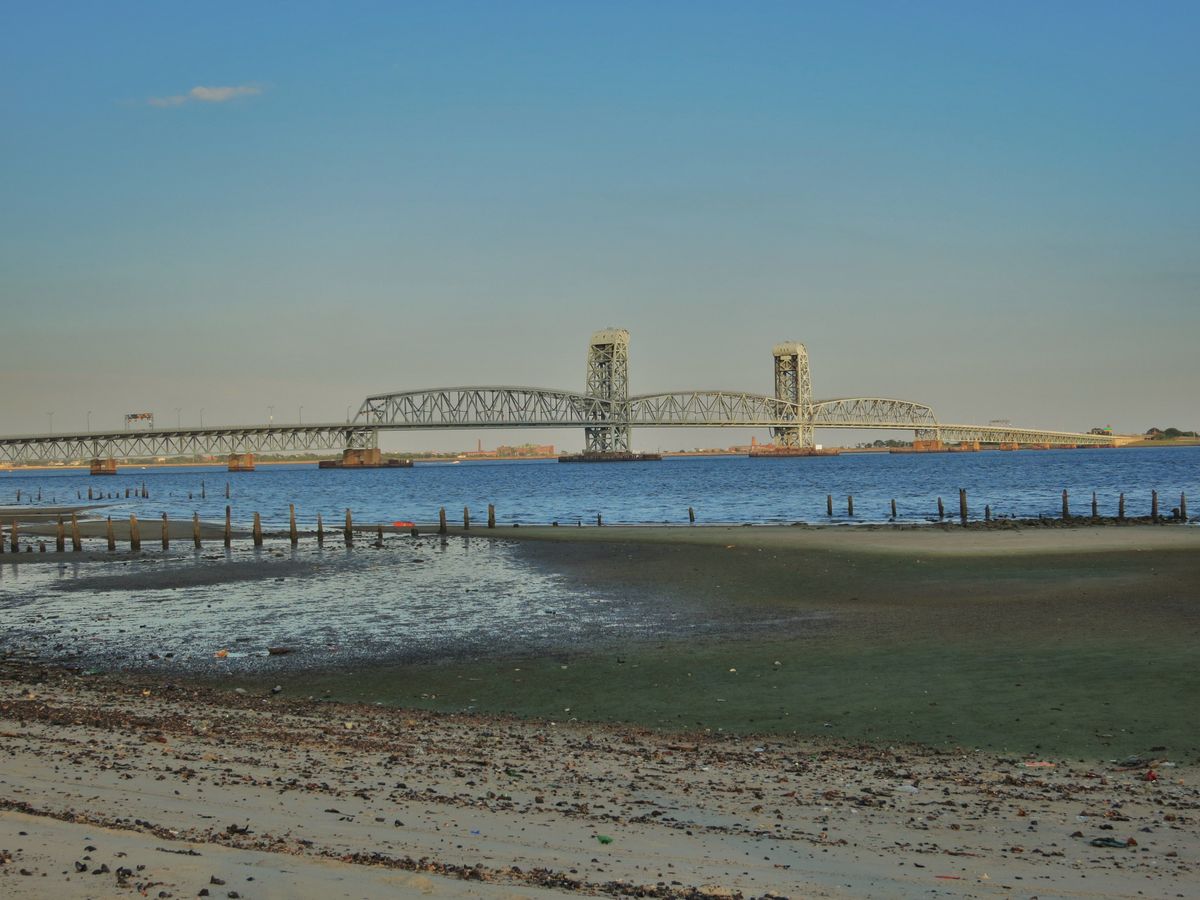
Getting there by Public TransportationTake the #2 Train to the last stop, Flatbush Avenue/Brooklyn College. Come upstairs and transfer to the Q35 Bus, which stops right in front of the Payless Shoe Store. (Note that other buses also stop there!) Tell the driver that you will be getting off at the last stop before the bridge.Getting there by CarTake the Belt Parkway or another route to Flatbush Avenue, heading out towards Rockaway. Just before the toll plaza for the Gil Hodges Memorial Bridge, make a left onto Aviation Road and you will come to the parking area.There are no signs pointing toward the area and it is not on the map to the Park Entrance area across the street from the Floyd Bennett Parking lot. If you go to Fishing beach there is a fence and it is on the other side. You can park at Floyd Bennett/Rest Stop but you have to cross the highway to the other side and walk where it says Park Entrance all the way to the end to reach Glass Bottle Beach. You can walk straight or turn all the paths lead to Glass Bottle Beach which is located in Dead Horse Bay. Tours stop here for those interested. Note: The walk from the parking lot is through some rough, wet, thorny areas. Decent shoes and insect repellant is highly encouraged.
Community Contributors
Added By
Published
June 15, 2013