

About
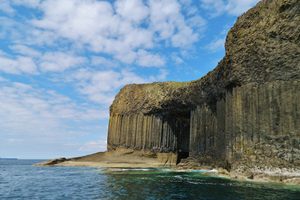
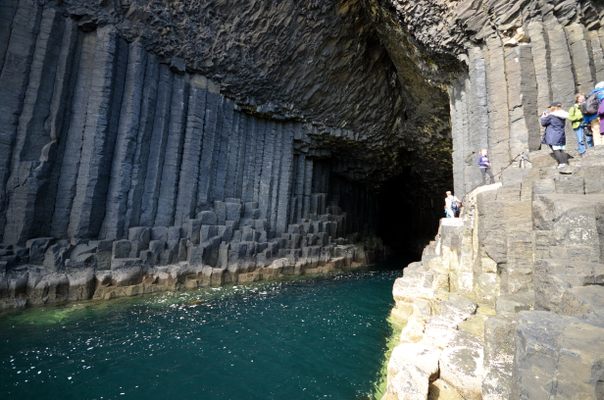
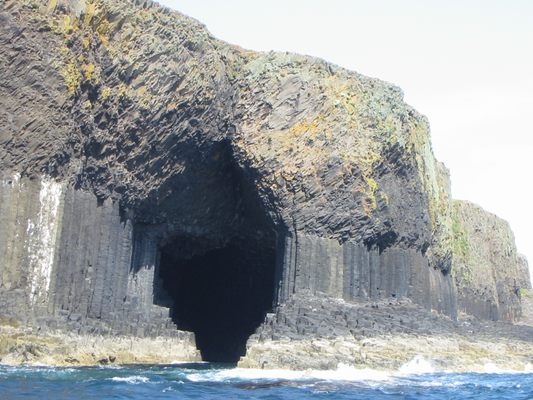
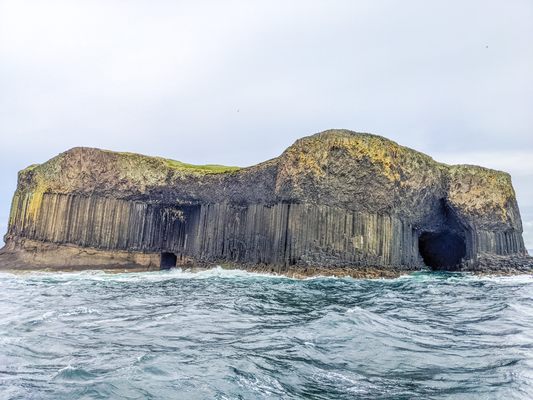
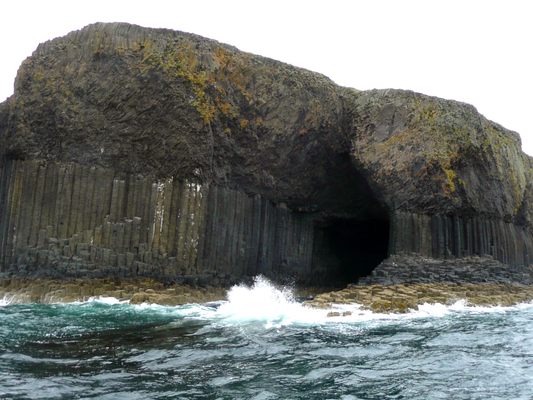
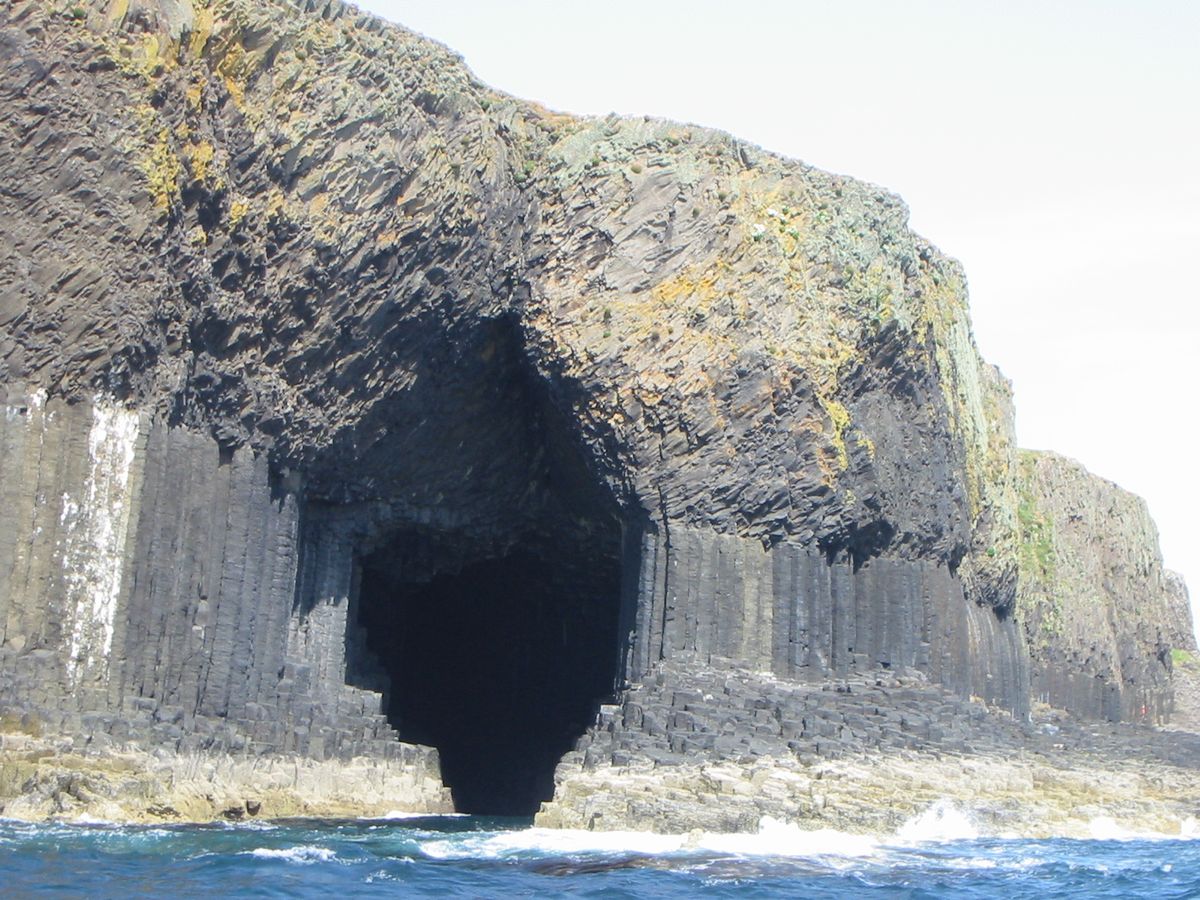
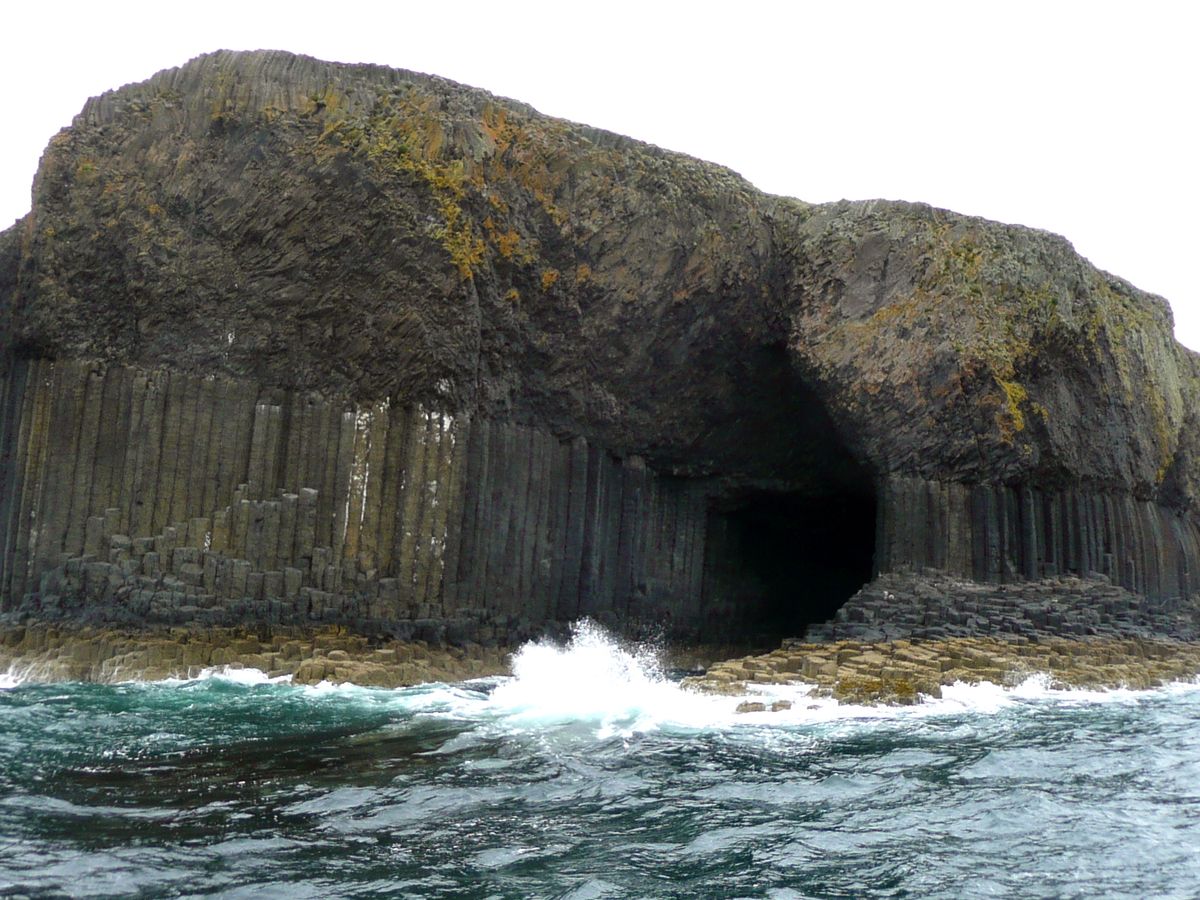
Queen Victoria, Matthew Barney, Jules Verne, and Pink Floyd are not names you usually hear in the same sentence, but then the place that they all share is itself quite uncommon. Known as Fingal's Cave, it bears a history and geology unlike any other cave in the world.
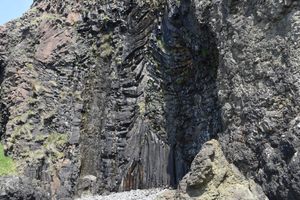
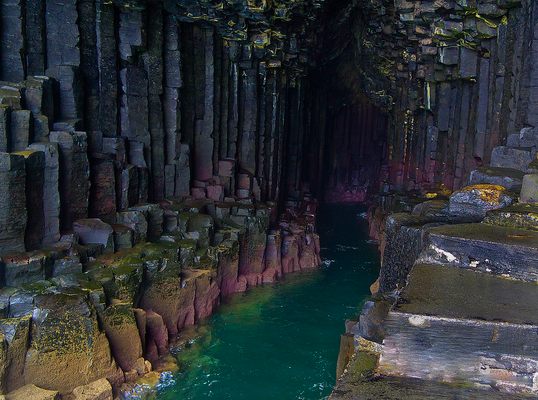
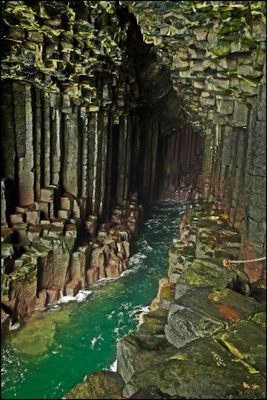
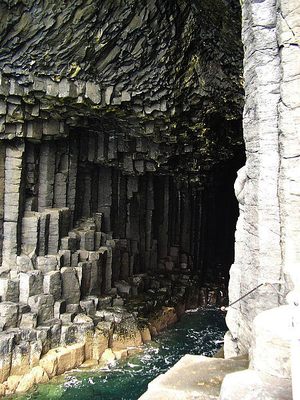
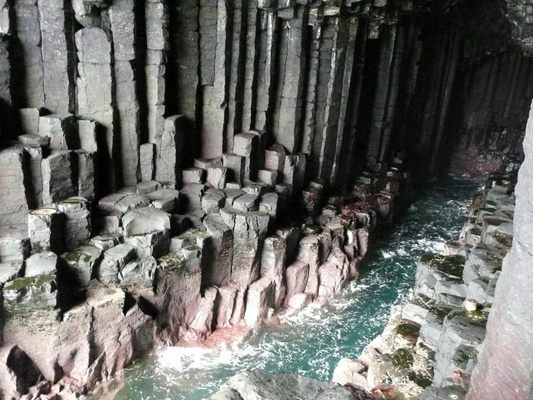
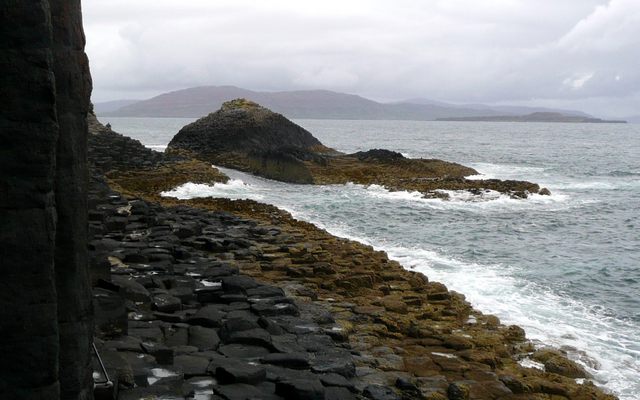
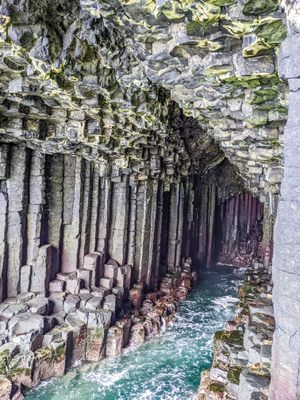
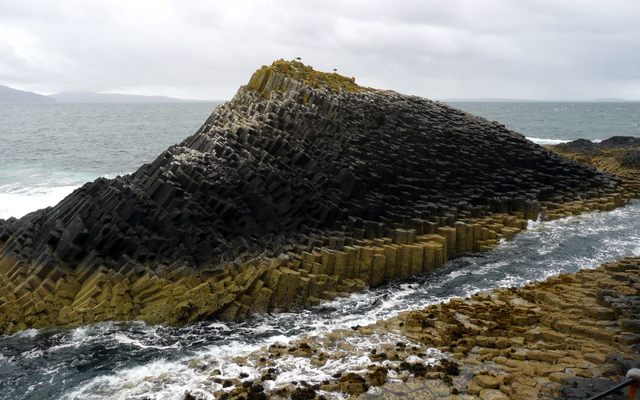
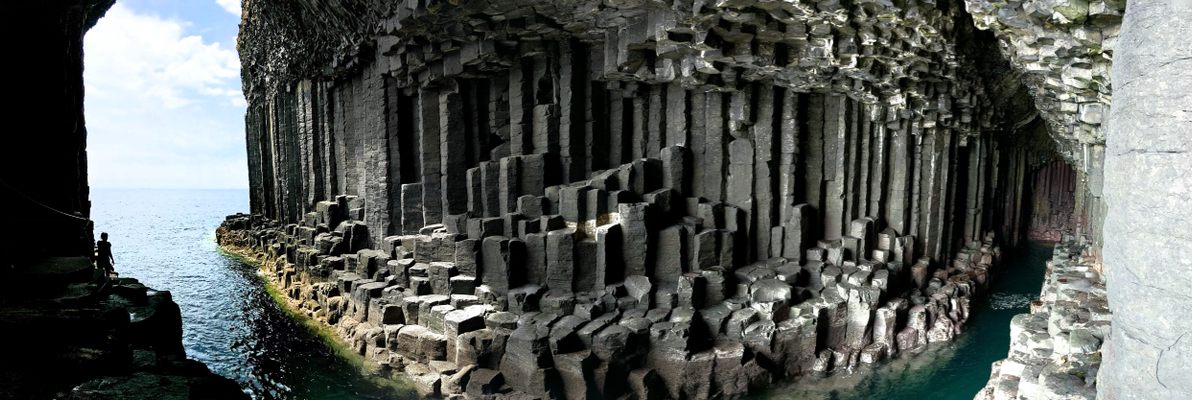
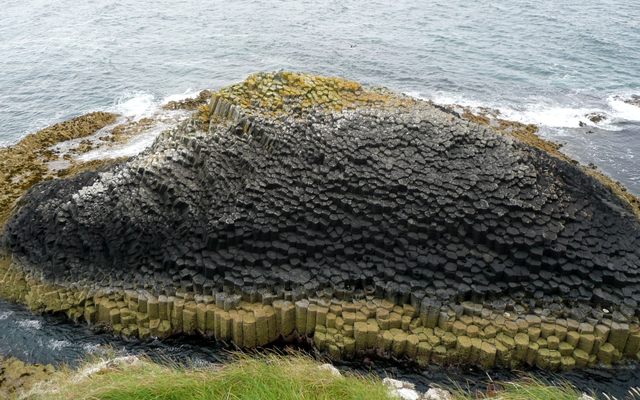
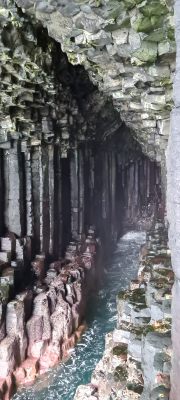
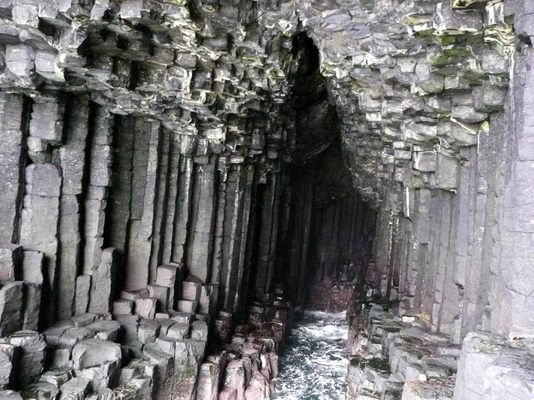
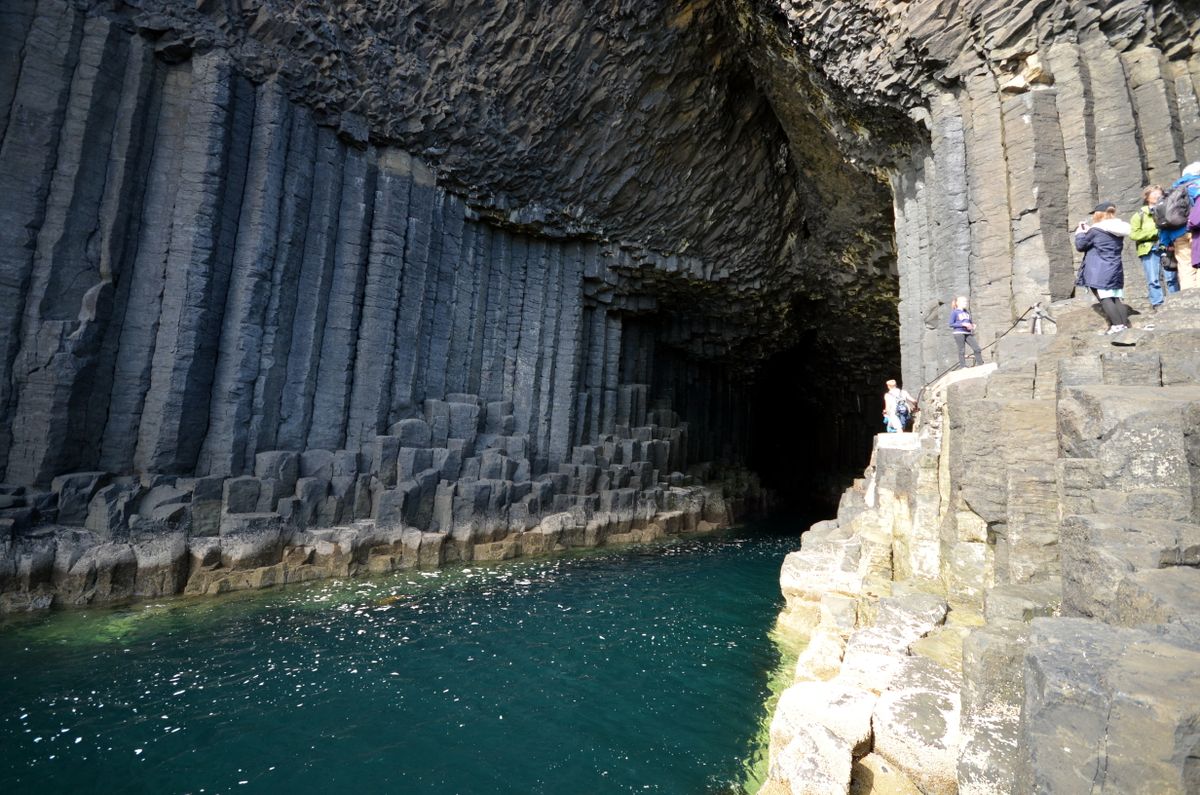
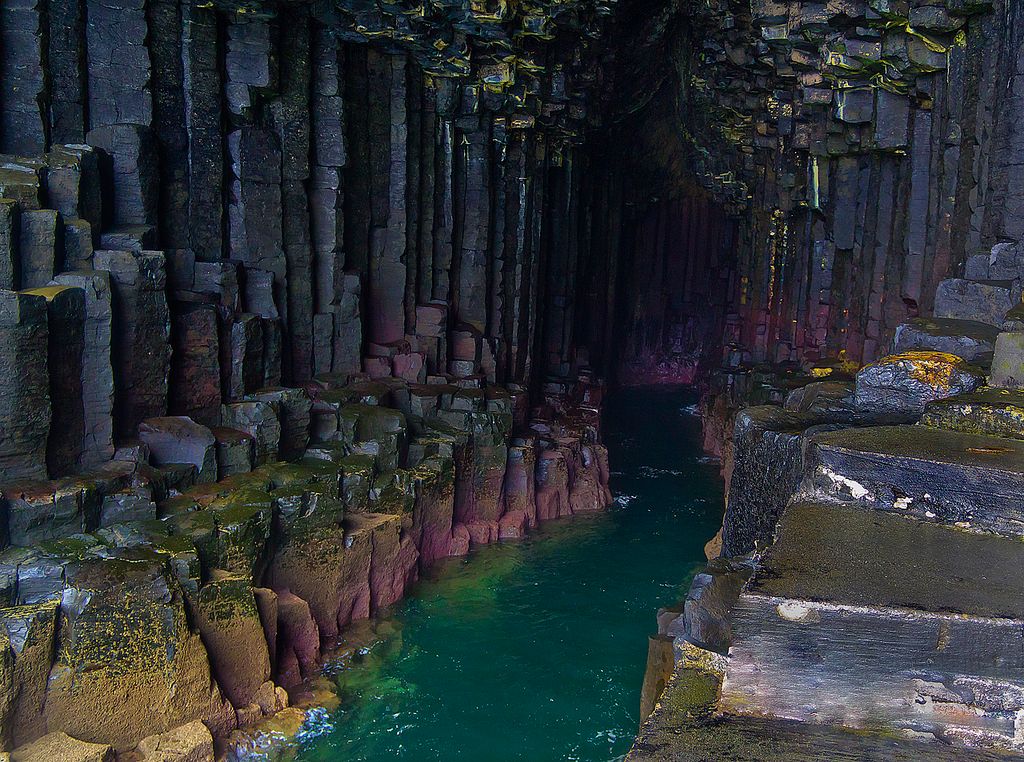
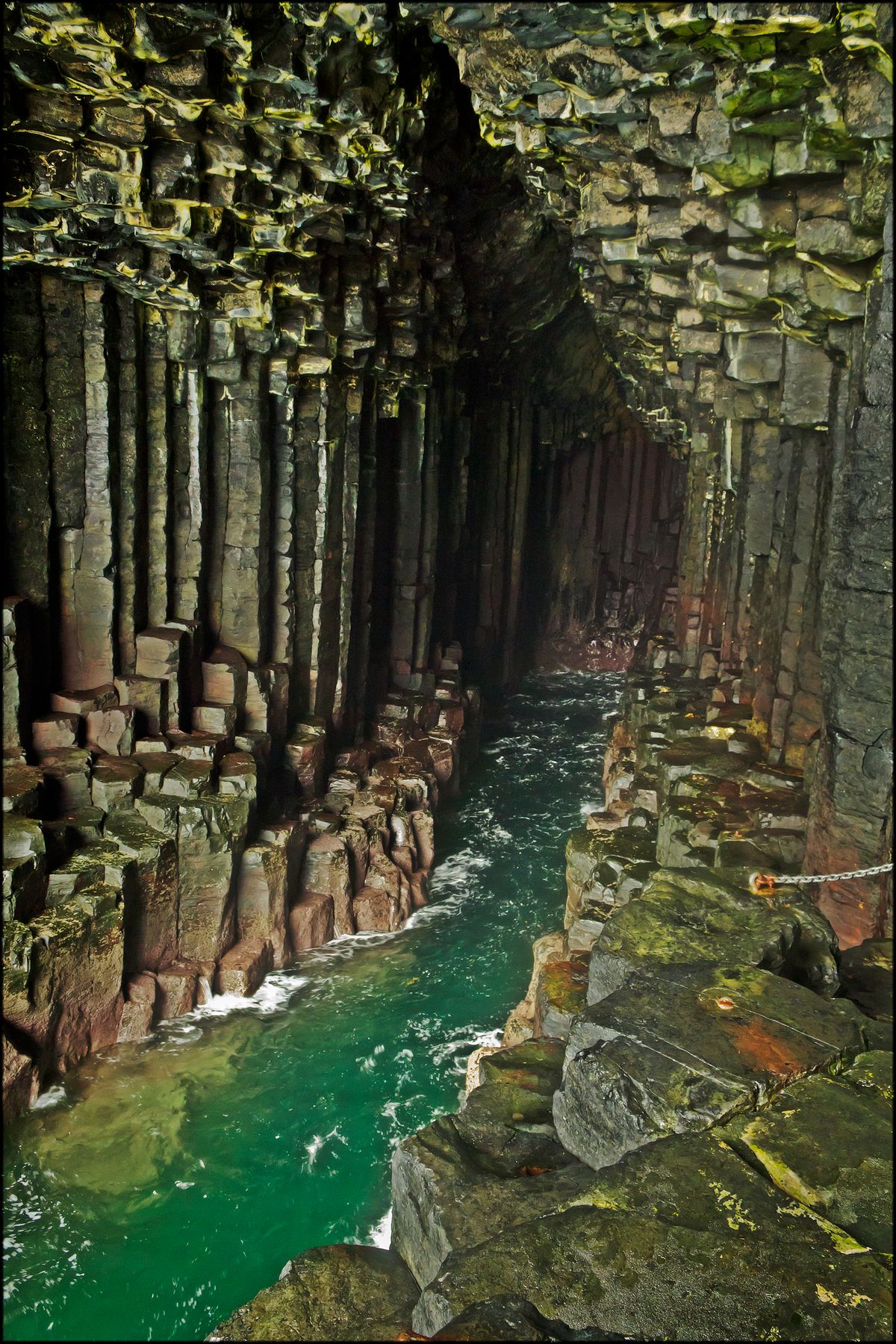
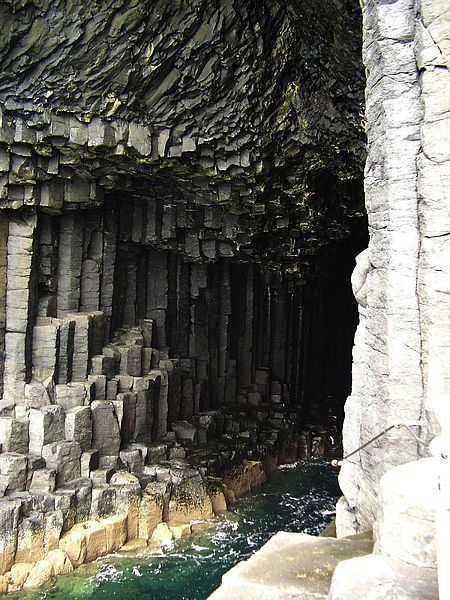
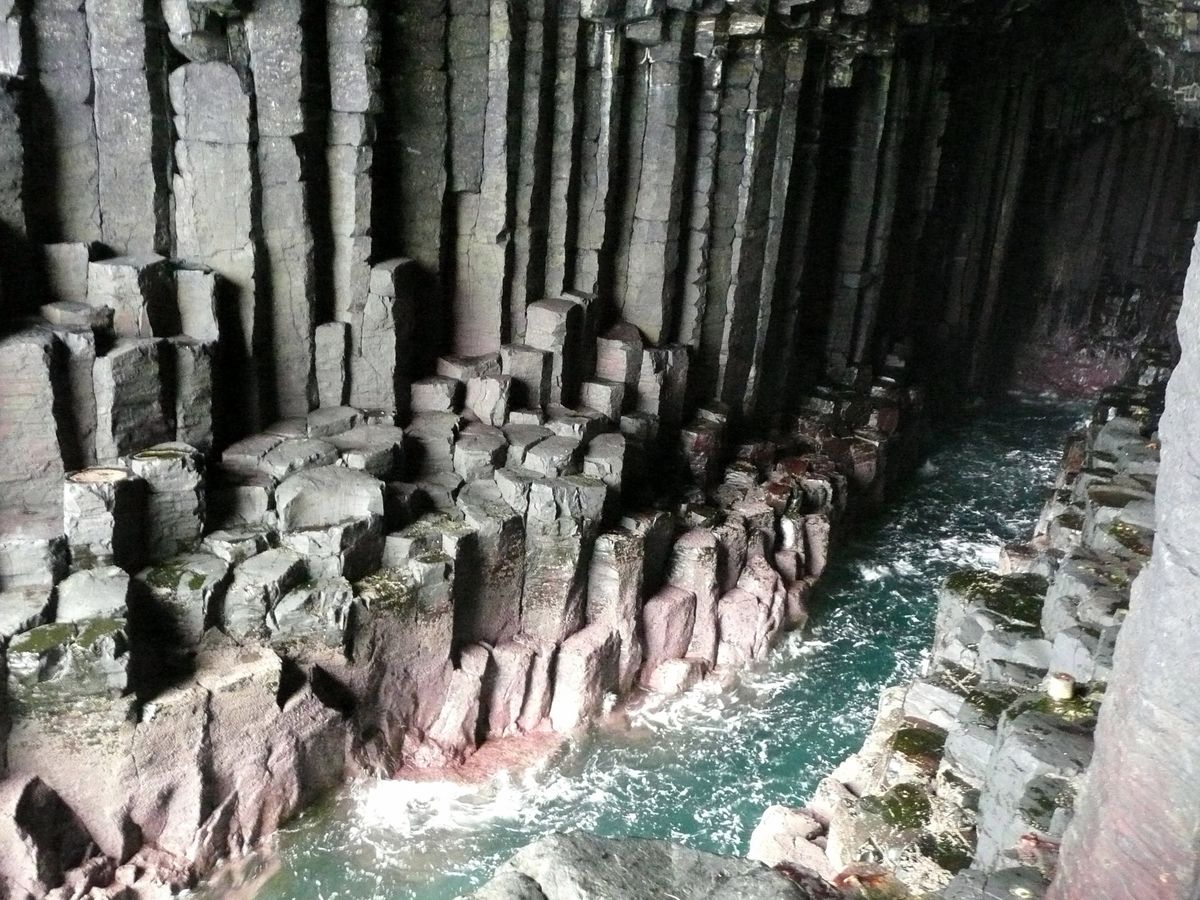
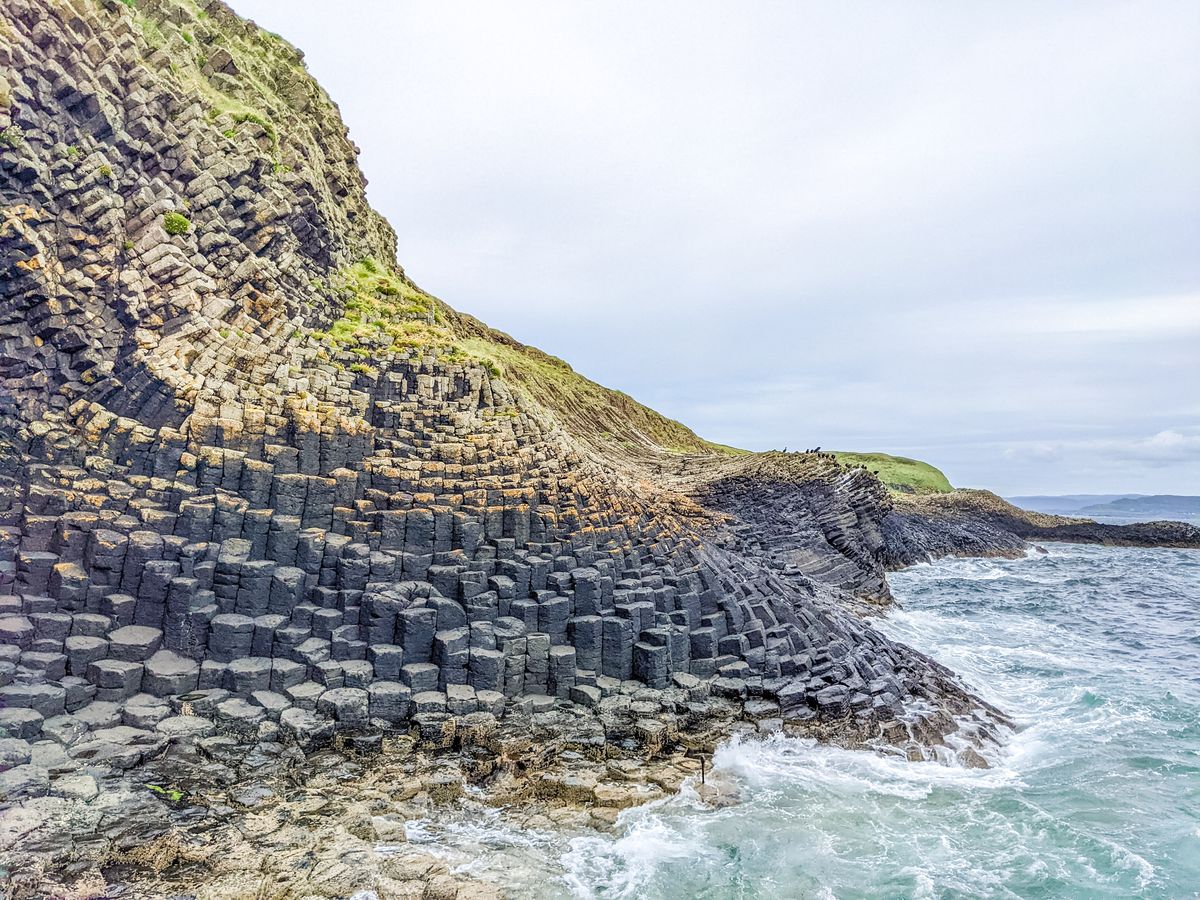
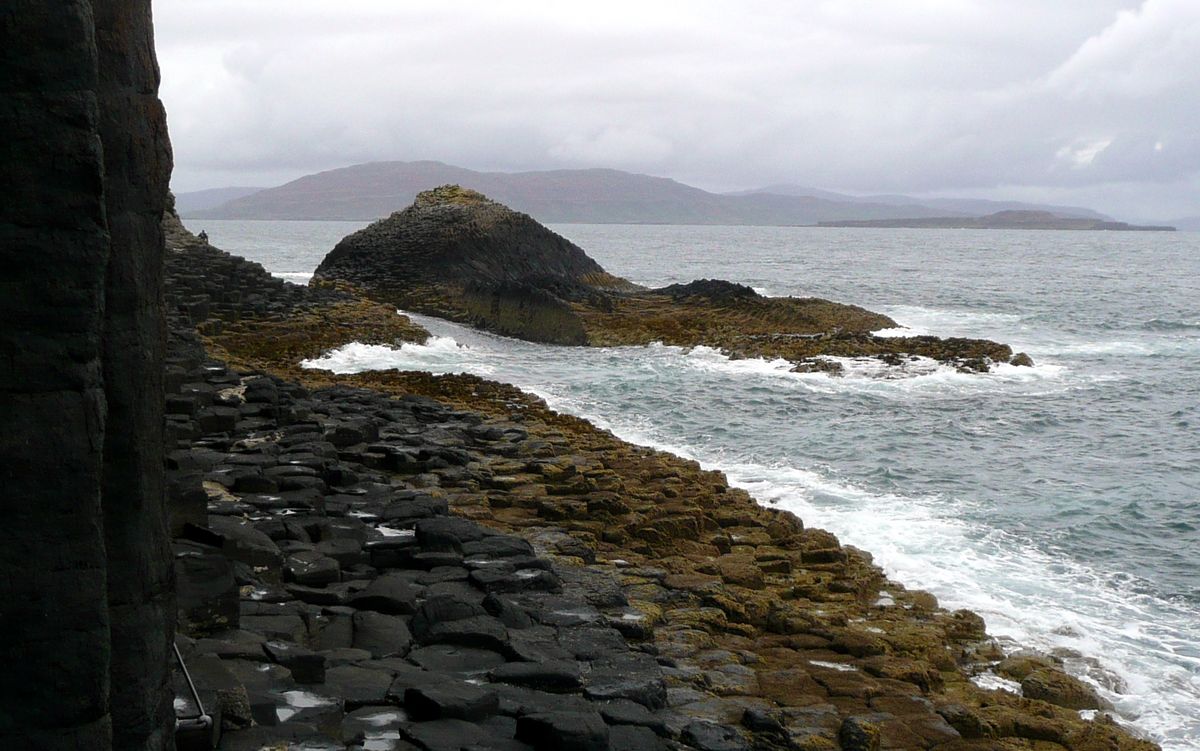
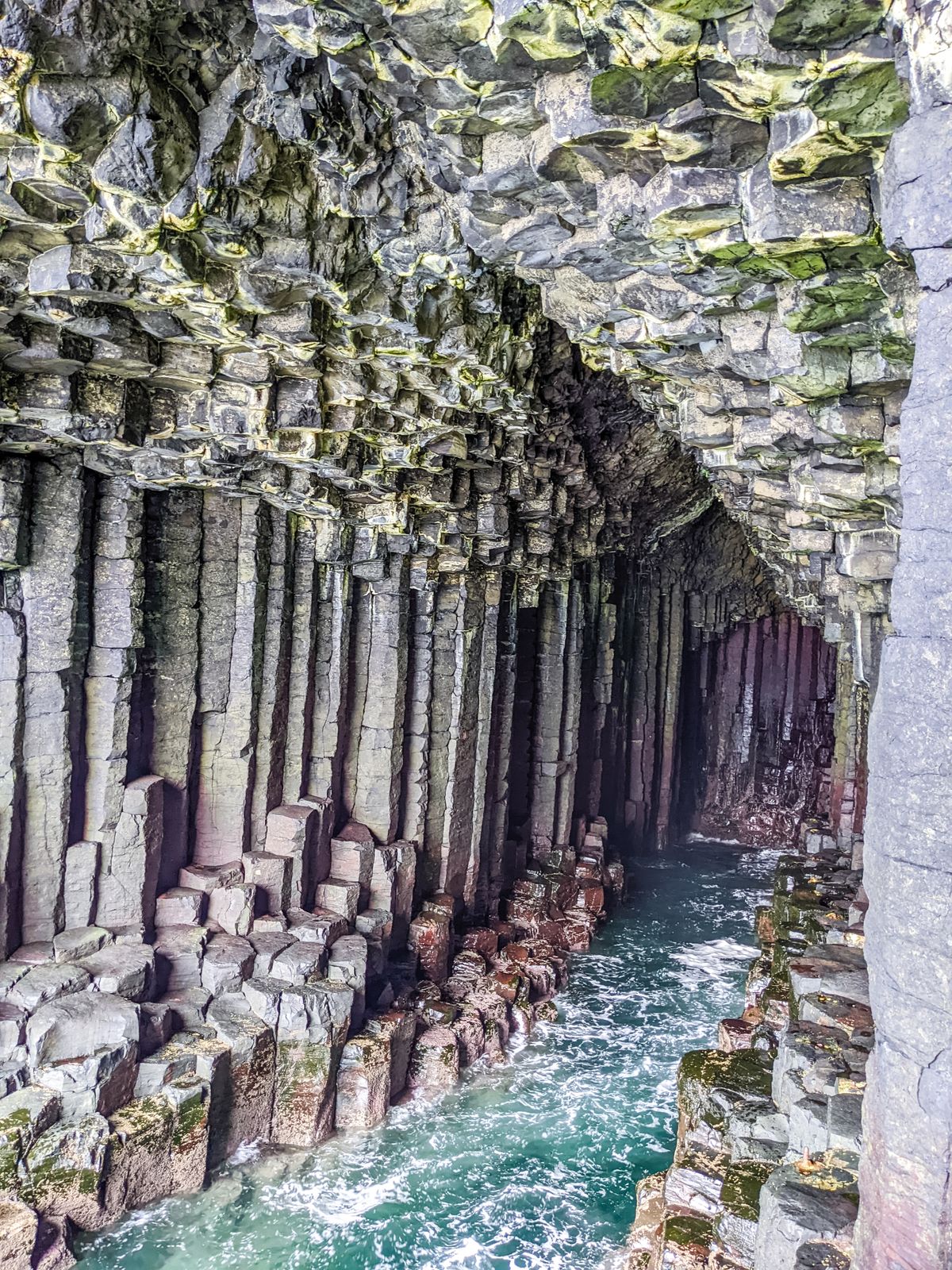
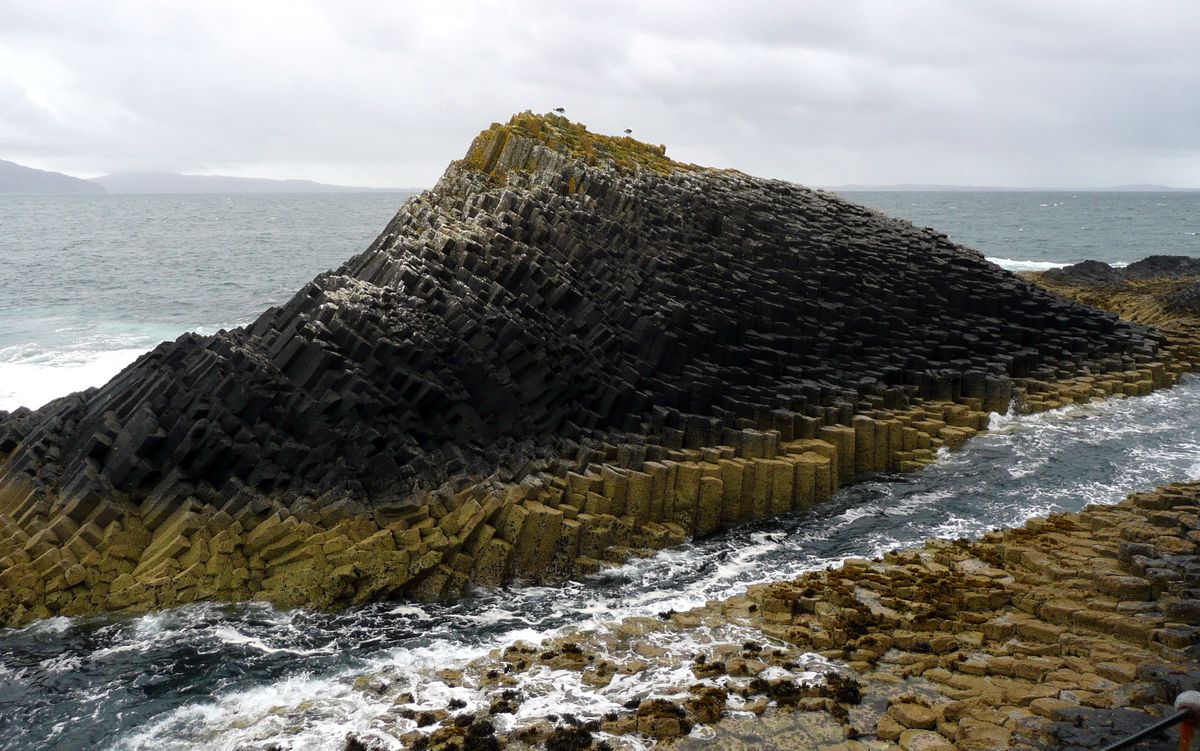
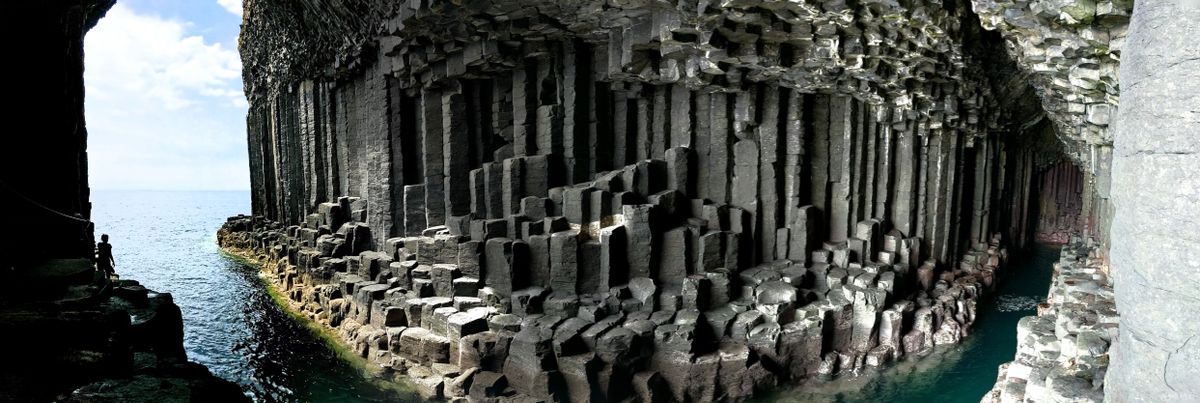
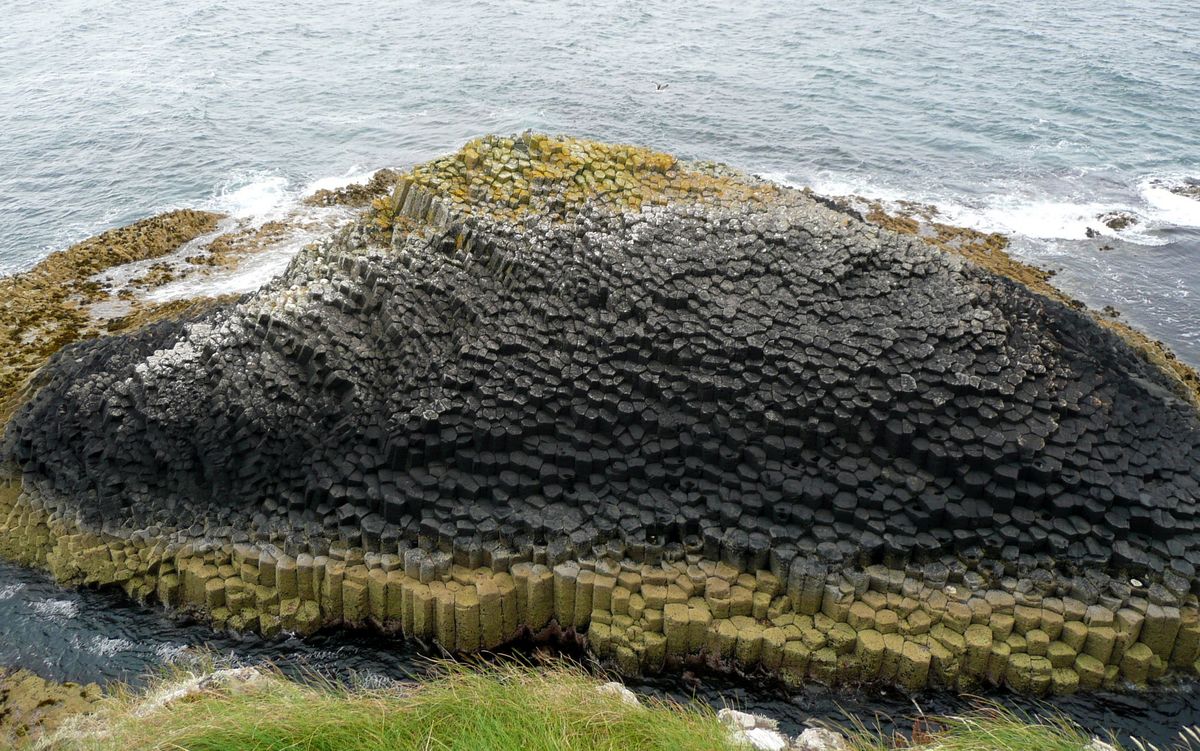
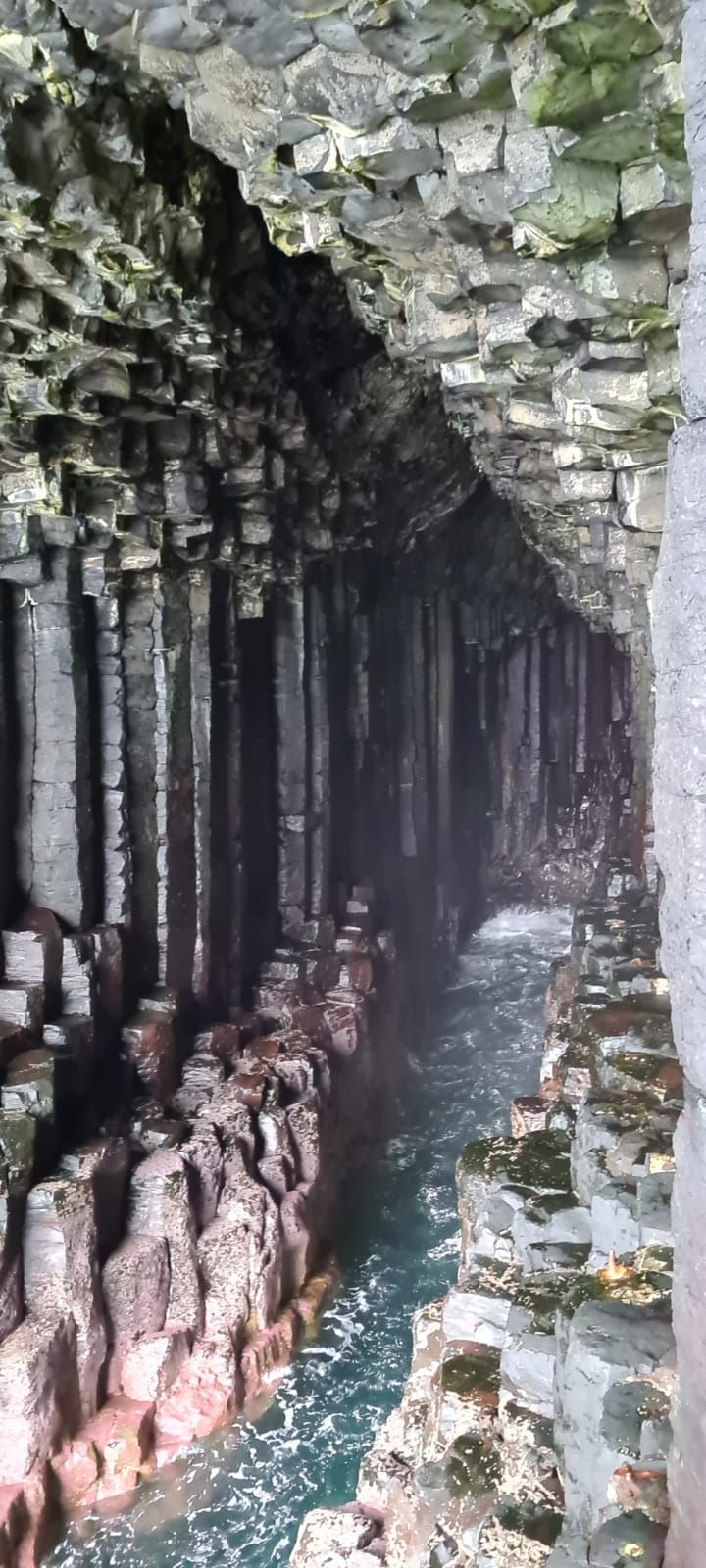
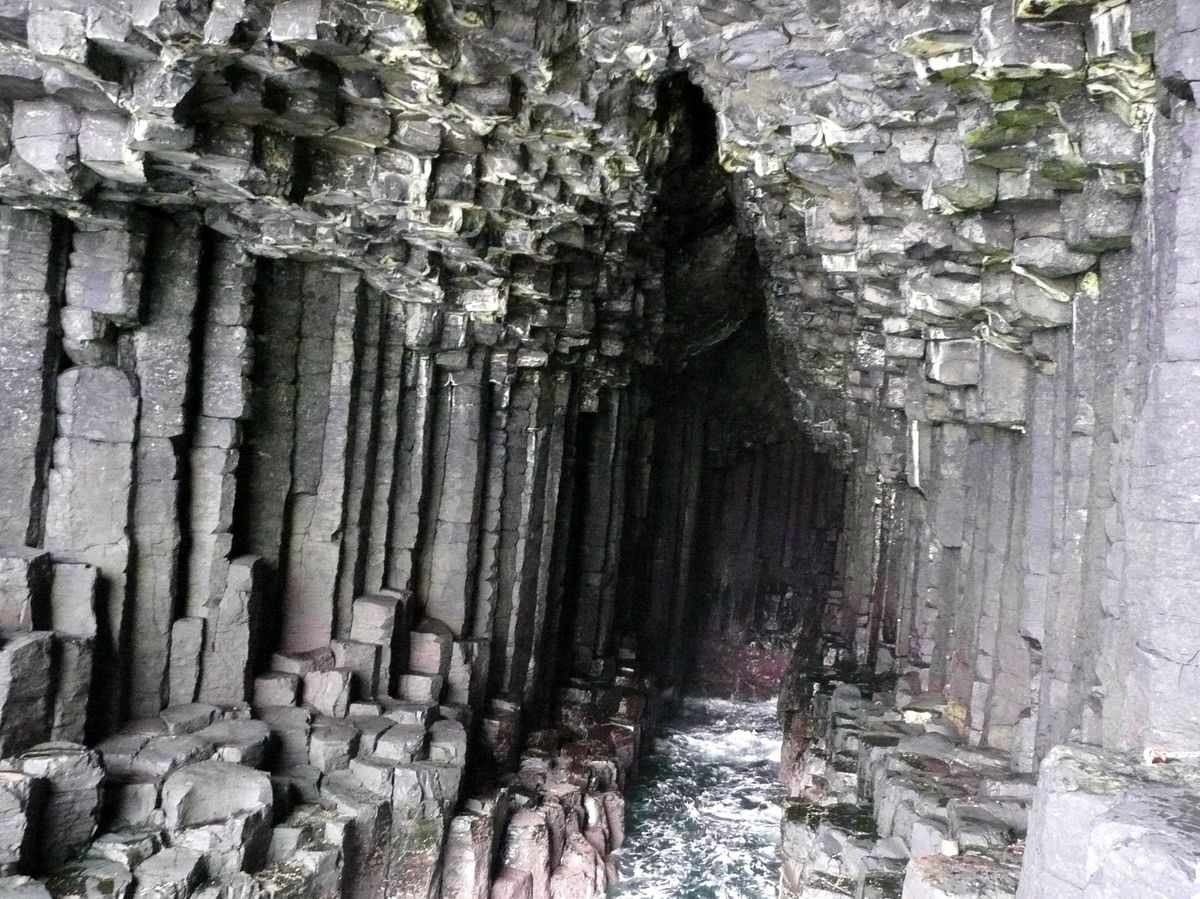
At 72 feet tall and 270 feet deep, what makes this sea cave so visually astoundingly is the hexagonal columns of basalt, shaped in neat six-sided pillars that make up its interior walls. These fractured columns form a crude walkway just above the water level so that visitors can go far inside and explore the cave.
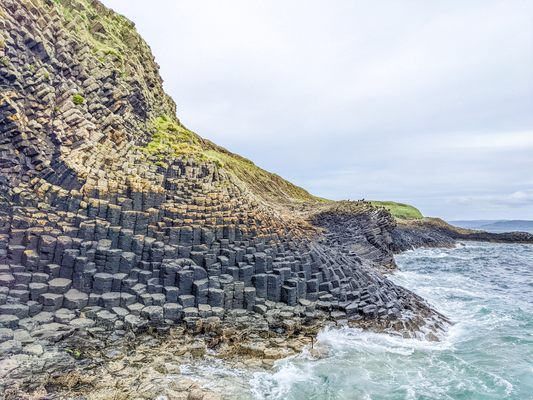
The cave was a well-known wonder of the ancient Irish and Scottish Celtic people and was an important site in the legends. Known to the Celts as Uamh-Binn or "The Cave of Melody," one Irish legend, in particular, explained the existence of the cave as well as that of the similar Giant's Causeway in Ireland. As both are made of the same neat basalt columns, the legend holds that they were the end pieces of a bridge built by the Irish giant Fionn mac Cumhaill (a.k.a. Finn McCool), so he could make it to Scotland where he was to fight Benandonner, his gigantic rival.
The legend, which connects the two structures, is in effect geologically correct. Both the Giant's Causeway and Fingal's Cave were indeed created by the same ancient lava flow, which may have at one time formed a "bridge" between the two sites. Of course, this happened some 60 million years ago, long before people would have been around to see it. Nonetheless, the deductive reasoning of the ancient peoples formed the connection and base of the legend that the two places must be related.
The cave was rediscovered when naturalist Sir Joseph Banks visited it in 1772. At the time of Banks' discovery, Fingal, an Ancient Epic Poem in Six Books was a very popular poetic series, supposedly translated from an ancient Gaelic epic by Irish poet James Macpherson. The book was an influence on Goethe, Napoleon, and Banks, who promptly named the Scottish cave, which already had the name Uamh-Binn, after the Irish legend, calling it "Fingal's Cave."
And though Banks is responsible for both rediscovering and renaming the cave, it would be a romantic German composer who truly vaulted the cave to world fame.
So moved was famed composer Felix Mendelssohn by the splendor of the cave that he sent the opening phrase of an overture on a postcard to his sister with the note: "In order to make you understand how extraordinarily the Hebrides affected me, I send you the following, which came into my head there." The Hebrides Overture, also known as Fingal's Cave, premiered on May 14, 1832, in London. (The original name may have been based on the amazing noises the cave sometimes produces.)
In a one-two Romantic punch, artist J. M. W. Turner painted "Staffa, Fingal's Cave" in the same year and together these launched the cave from a little-known wonder into a must-see Romantic-Victorian tourist site. William Wordsworth, John Keats, Lord Tennyson, and Queen Victoria all visited the cave as did consummate traveler and lover of wonders, Jules Verne.
After this, the cave never left the public imagination. Pink Floyd named one of their early, unreleased songs after the cave, and Matthew Barney used the cave in his Cremaster Cycle.
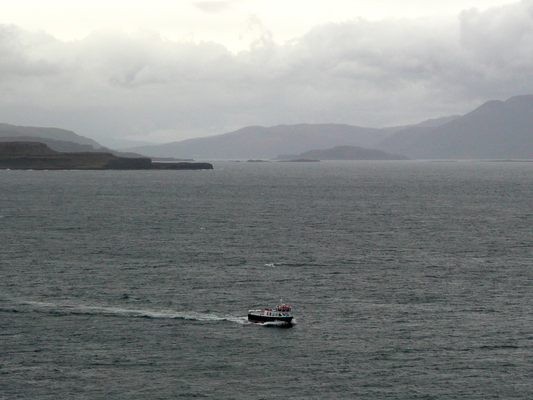
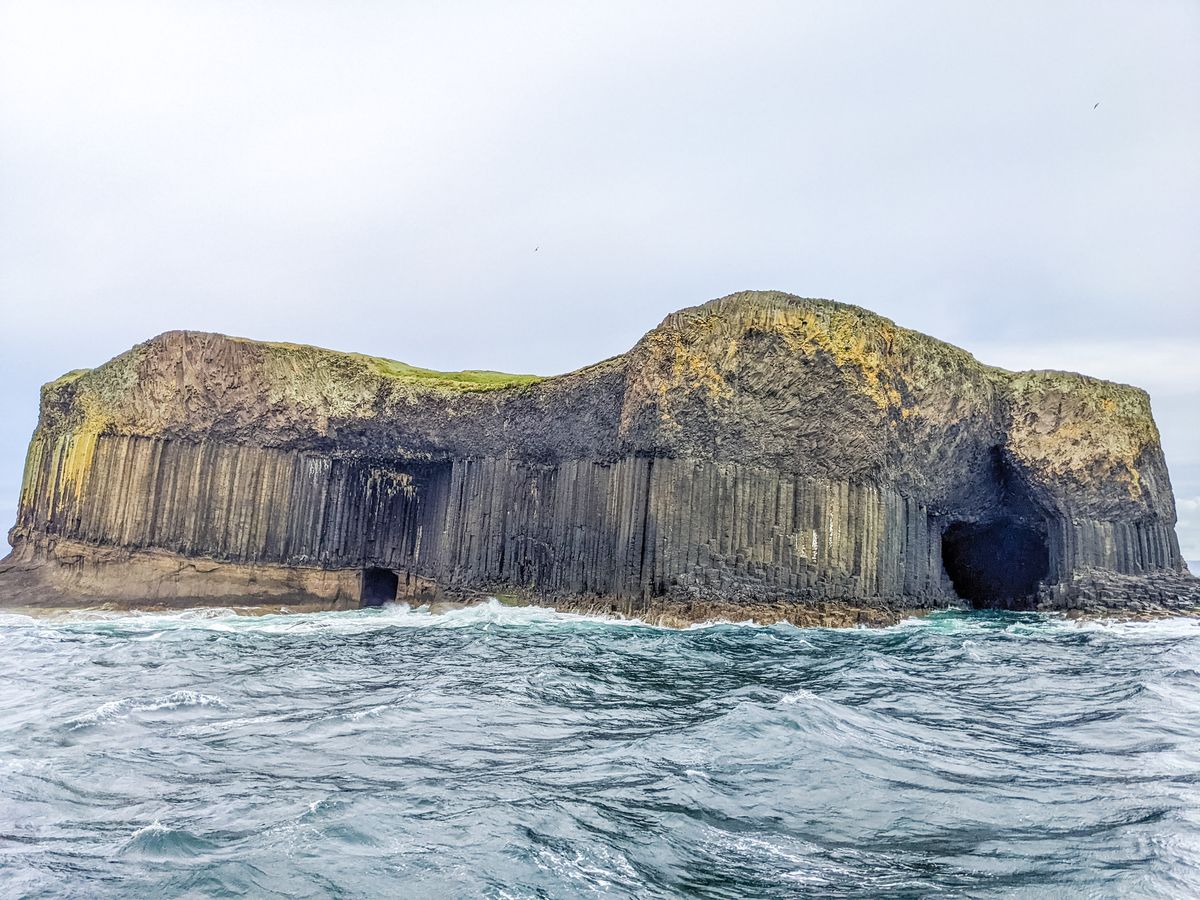
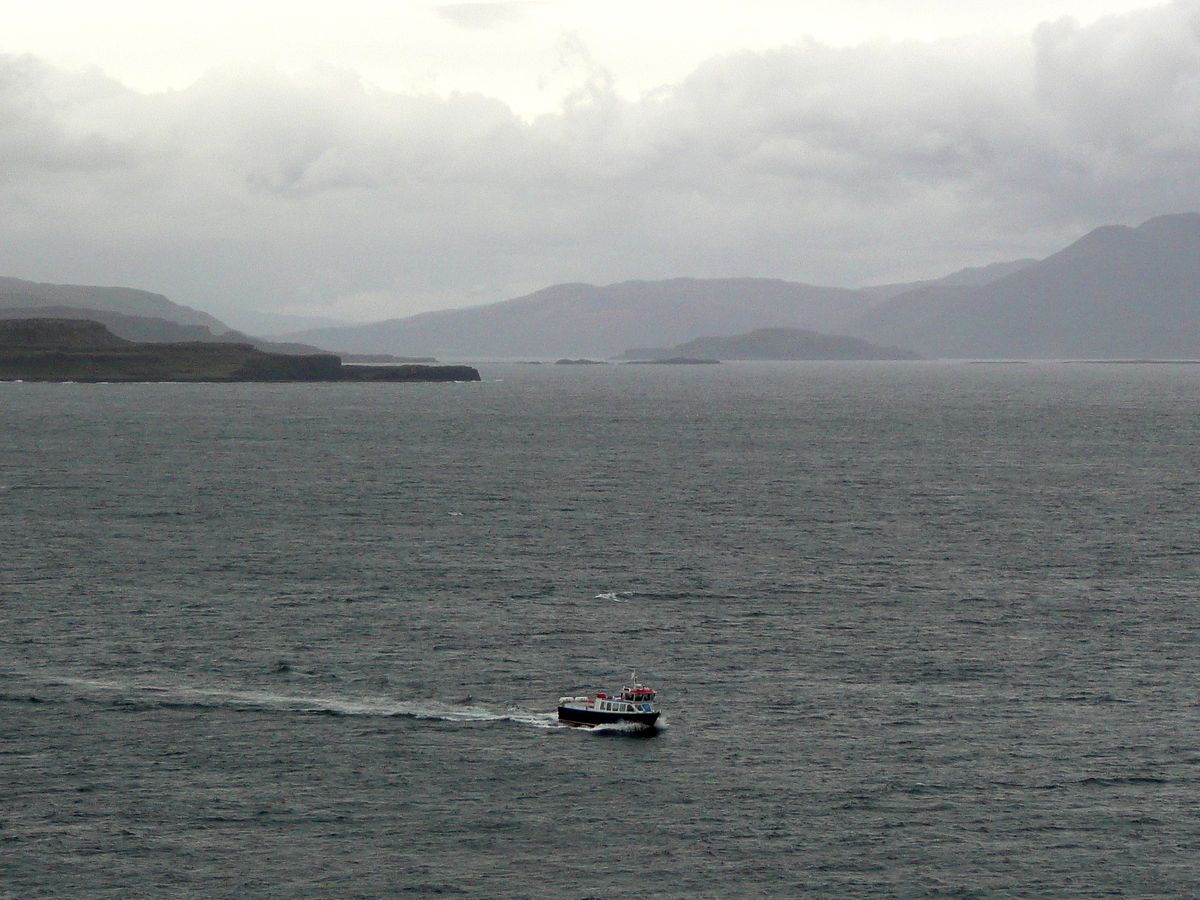
One can visit the cave via cruise (though boats cannot enter the cave, they make regular passes by it) or can travel to the small island of Staffa and hike into the cave by stepping from column to column. By the way, the northern shores of Staffa host a puffin colony during the summer months.
Related Tags
Know Before You Go
To get to nearby Iona the ferry from Fionnphort connects with bus number 496 to Craignure, which connects with a Caledonian Macbrayne ferry service to Oban. Oban has a train and bus service to Glasgow. The journey from Iona to Glasgow takes approximately five hours. The bus and ferries will wait for incoming services to try to keep the connections. Boat trips from Oban, Dervaig, Tobermory, Fionnphort (all on the isle of Mull) and Iona allow visitors to view caves and the puffins that nest on the island between May and September. There are relatively few puffins that nest on Staffa, and they tend to nest on the other side of the island from Fingal's cave. The entire island is walkable via trails.
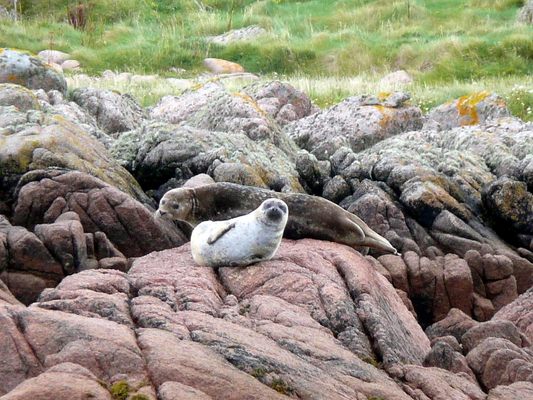
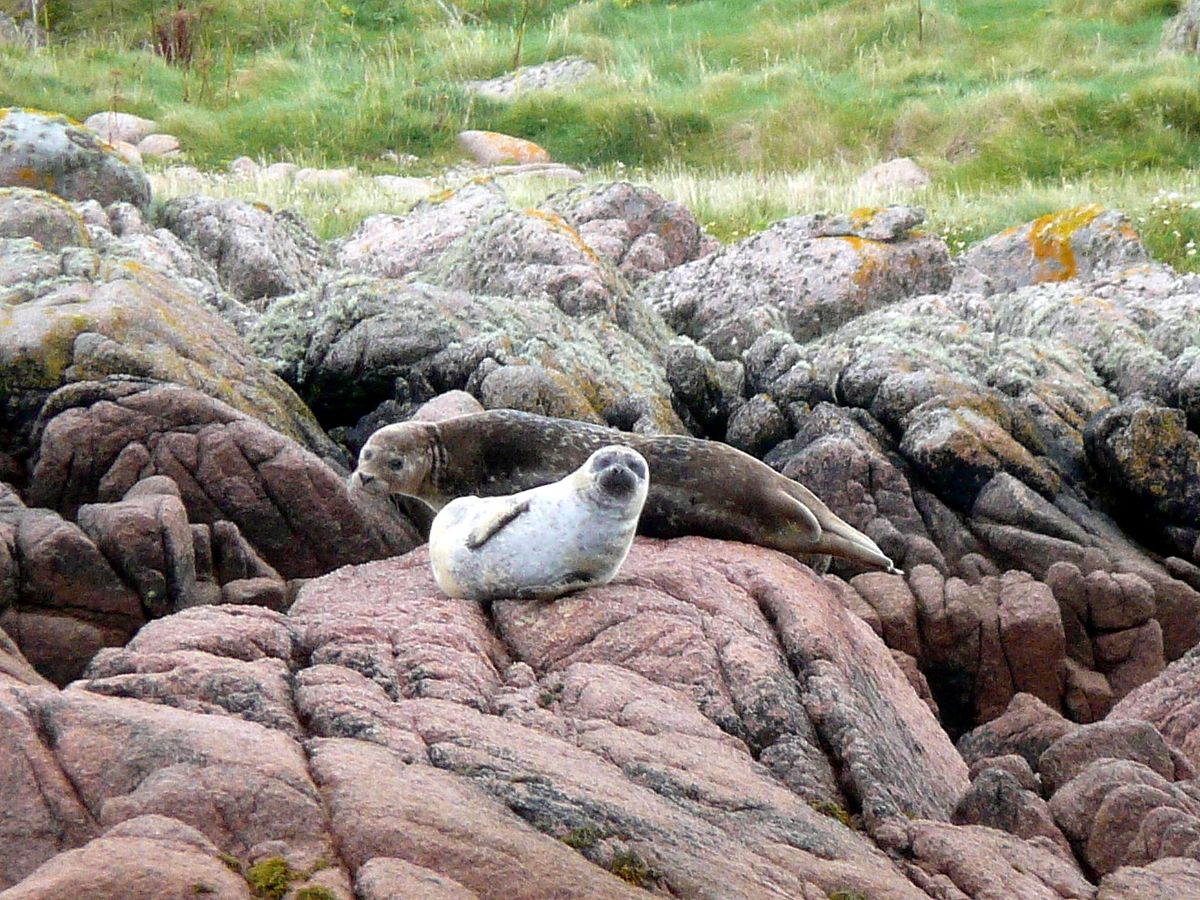
There are tours available that take in Staffa as well as more puffin-heavy islands; they run mostly in June-July, which is high puffin season. There is a landing place used by tourist boats just north of Am Buachaille, but disembarkation is only possible in calm conditions. The island lacks a genuine anchorage. Look for seals on the nearby small islands.
Flavors of Scotland: Beyond the Haggis
Smoked seafood, single malt whisky, and warm hospitality.
Book NowCommunity Contributors
Added By
Published
July 2, 2011