

About
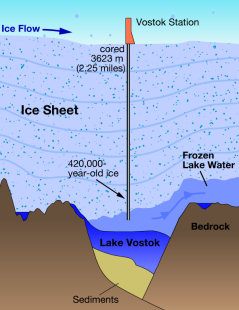
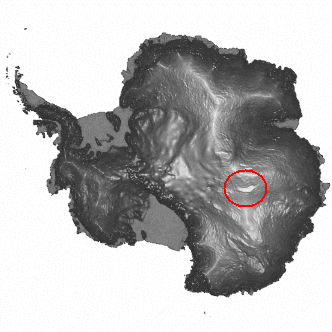
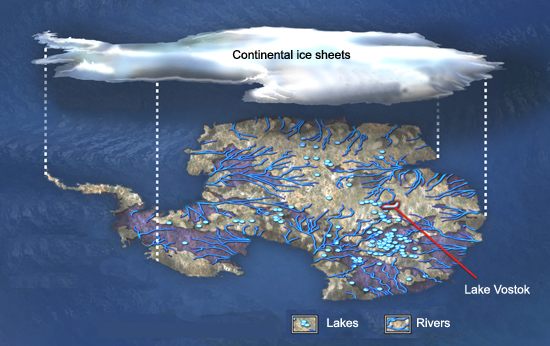
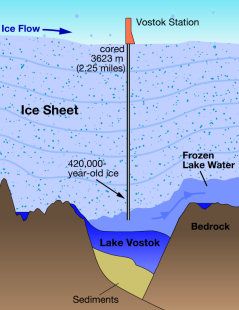
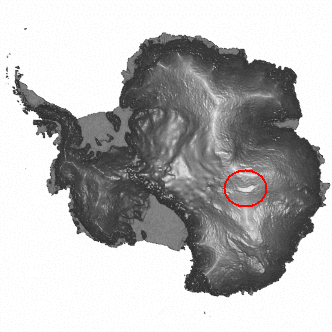
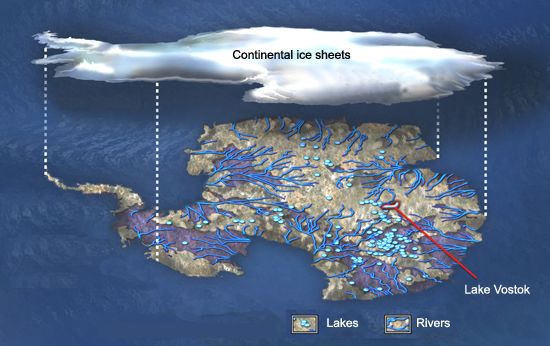
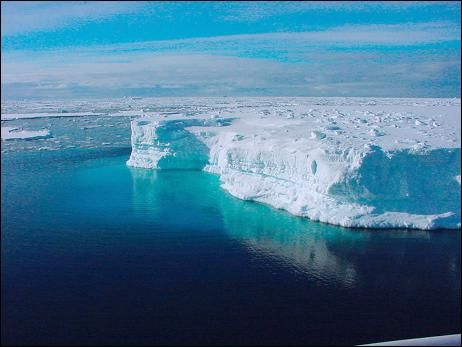
In 1996, Russian scientists were drilling ice core samples at Vostok Station in Antarctica. When they reached 3,623 meters (11,886 feet), they stopped because they couldn't figure out why the ice at such an extreme depth was so clean. After a series of tests using radar and seismic waves, it turned out that this ice was actually the uppermost region of the world's largest warm-water sub-glacial lake - a lake roughly the size of Lake Ontario. The lake is composed of fresh water and has been isolated beneath the glacier for somewhere between half a million and one million years.
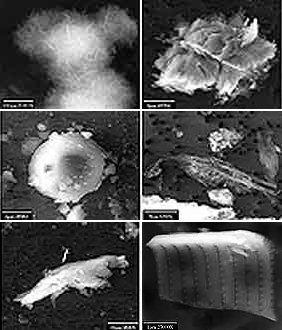
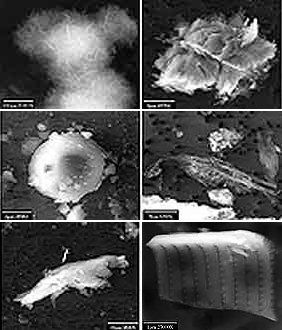
Naturally, the first thing that came to the scientists' minds was that this lake could possibly be the most pristine liquid environment on Earth and could be full of living creatures and organisms that, due to isolation and adaptation, live nowhere else. Researchers tested the core samples taken close to the water and indeed found microbes that have never been found elsewhere.
But when the question of how to explore the lake came up, not long after its discovery, the Vostok scientists faced a serious dilemma. The lake is under immense pressure, and to breach the ice would have devastating consequences. Secondly, anything sent into this pristine environment would have to be as sterile as possible to avoid contamination.
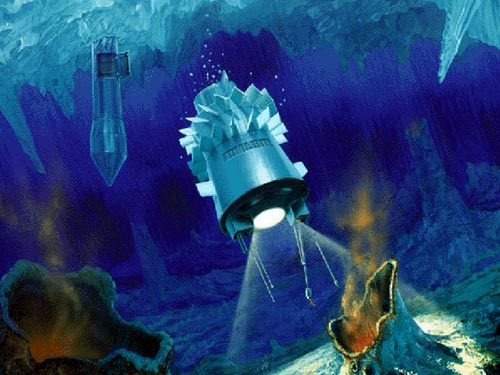
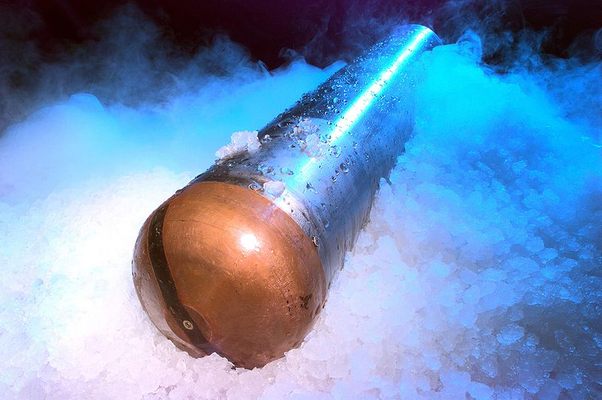
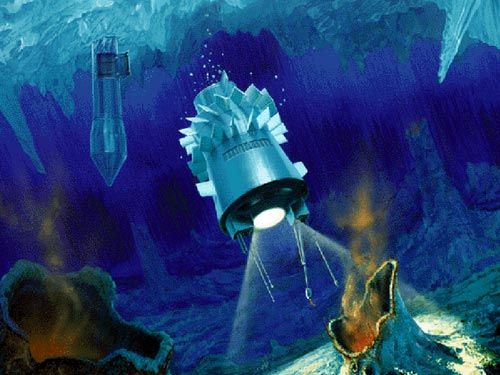
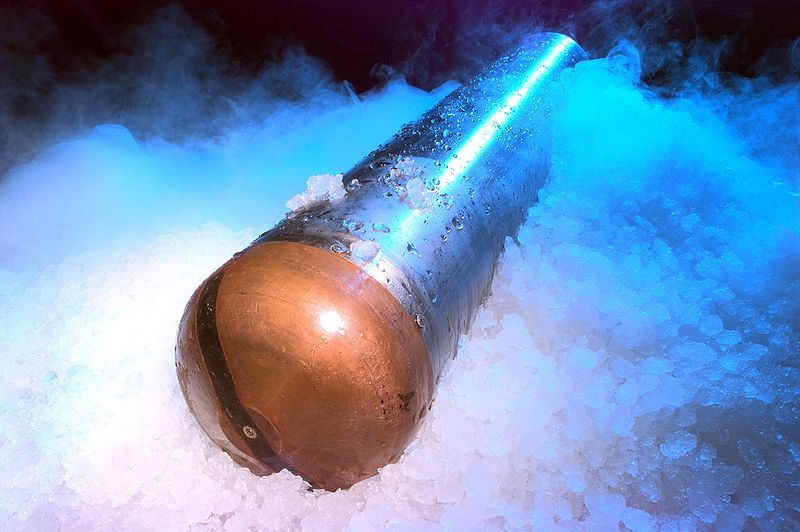
In 1999, NASA approved funding for the development of a torpedo-like probe dubbed "Cryobot." Equipped with a heated tip, the probe was designed to slowly melt its way down through the glacier, unwinding communication cables as it went. As Cryobot ventured down, the water would refreeze behind and above it. Then, before it breached the ceiling of the lake, the probe was to decontaminate itself with a hydrogen peroxide bath. Once inside, Cryobot would release the remote-controlled "Hydro boat," a specially designed submersible vehicle equipped with a camera and other instruments, to explore the interior of the lake.
Despite promising tests, funding for the project was cut in 2003. One hope, however, is that due to the discovery that Mars also has sub-glacial lakes and that Jupiter's moon Europa may have them as well, the Cryobot project will be re-opened soon in order to test technology for future space missions.
UPDATE: As of February 2012 Russian scientists report that they have successfully drilled to the surface of the lake and pierced the ice sheet, however, many in the scientific world are concerned about their method, which entails using kerosene to keep the borehole open. The fear is that only taking samples from the top of the lake will be insufficient for proper analysis, making the possible contamination a large risk with little benefit. The concern is that a mere surface sample will tell scientists nothing regarding the depth of the lake, or anything about the sediment, which could hold vital information, and that the kerosene could compromise the samples and skew data.
Regardless, the lake has been reached, and the unconfirmed word is that there is a possibility of a “fundamental scientific development”. The Russian team is battling intense weather conditions, and communication is inconsistent and unpredictable, so the scientific community and the rest of the world can do nothing but wait until contact is reestablished to find out what, after 20 years of drilling, lies beneath the ice.
Related Tags
Published
July 8, 2010
Sources
- BBC: "The Lost World of Lake Vostok": http://www.bbc.co.uk/science/horizon/2000/vostok.shtml
- "Lake Vostok: A Curiosity or a Focus for Interdisciplinary Study?": http://www.ldeo.columbia.edu/res/pi/vostok/
- Michael Studinger: Subglacial Lake Vostok: http://www.ldeo.columbia.edu/%7Emstuding/vostok.html
- Antarctic and Southern Ocean Coalition: Lake Vostok: http://www.asoc.org/AntarcticAdvocacy/CriticalIssues/LakeVostok/tabid/71/Default.aspx
- http://www.sfgate.com/cgi-bin/article.cgi?f=/c/a/2012/02/06/MNFM1N3R0B.DTL