

About
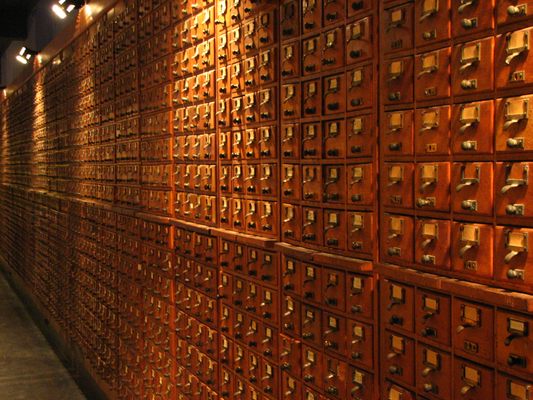
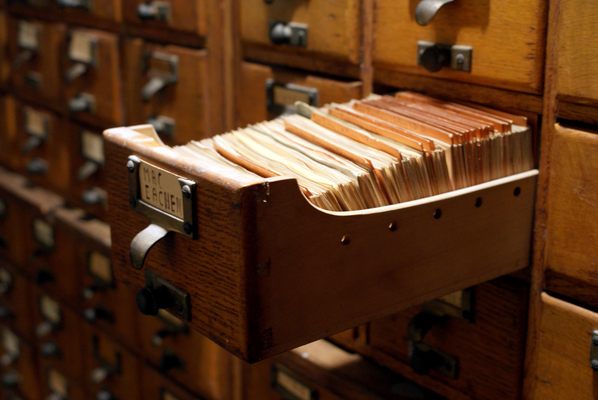
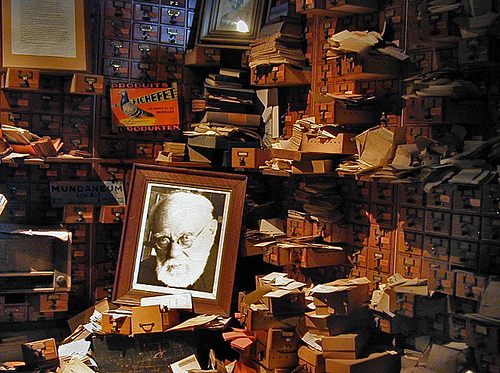
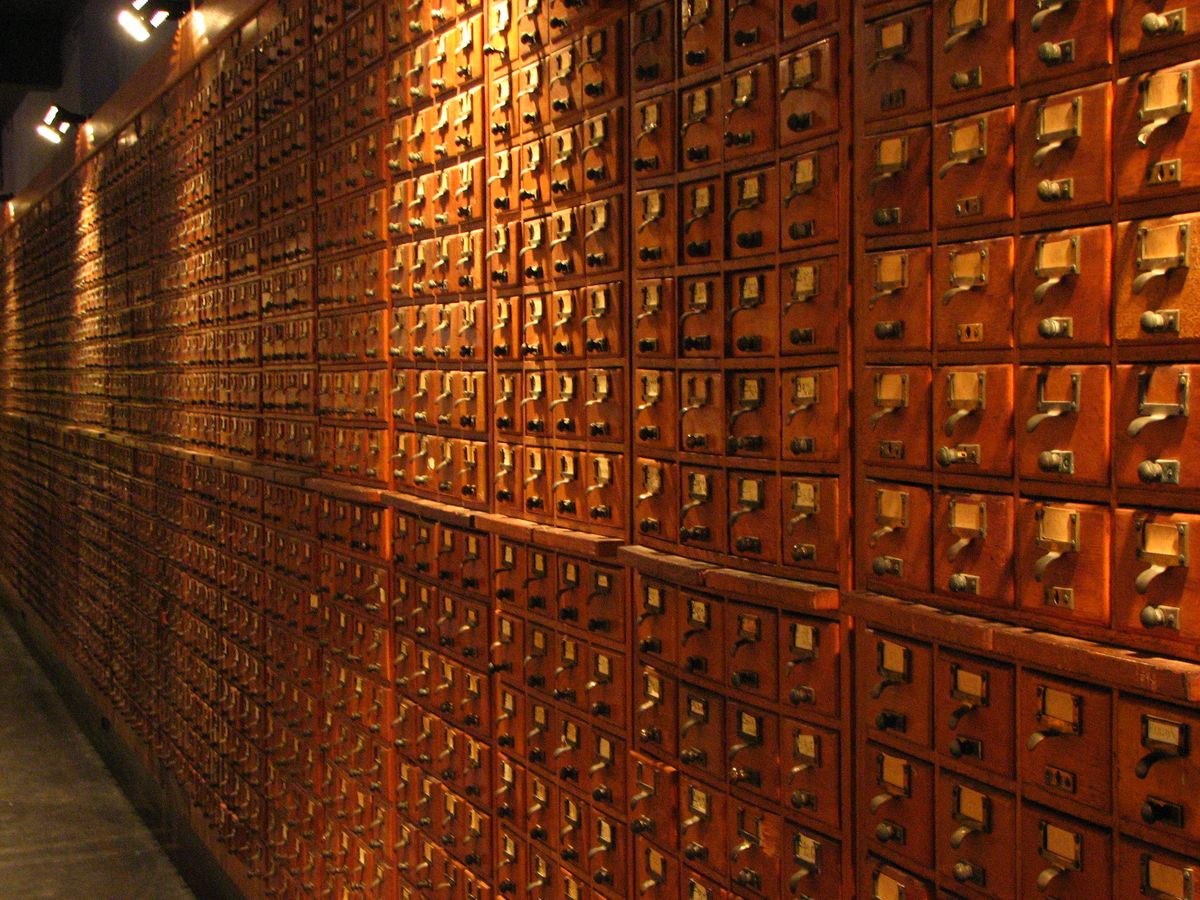
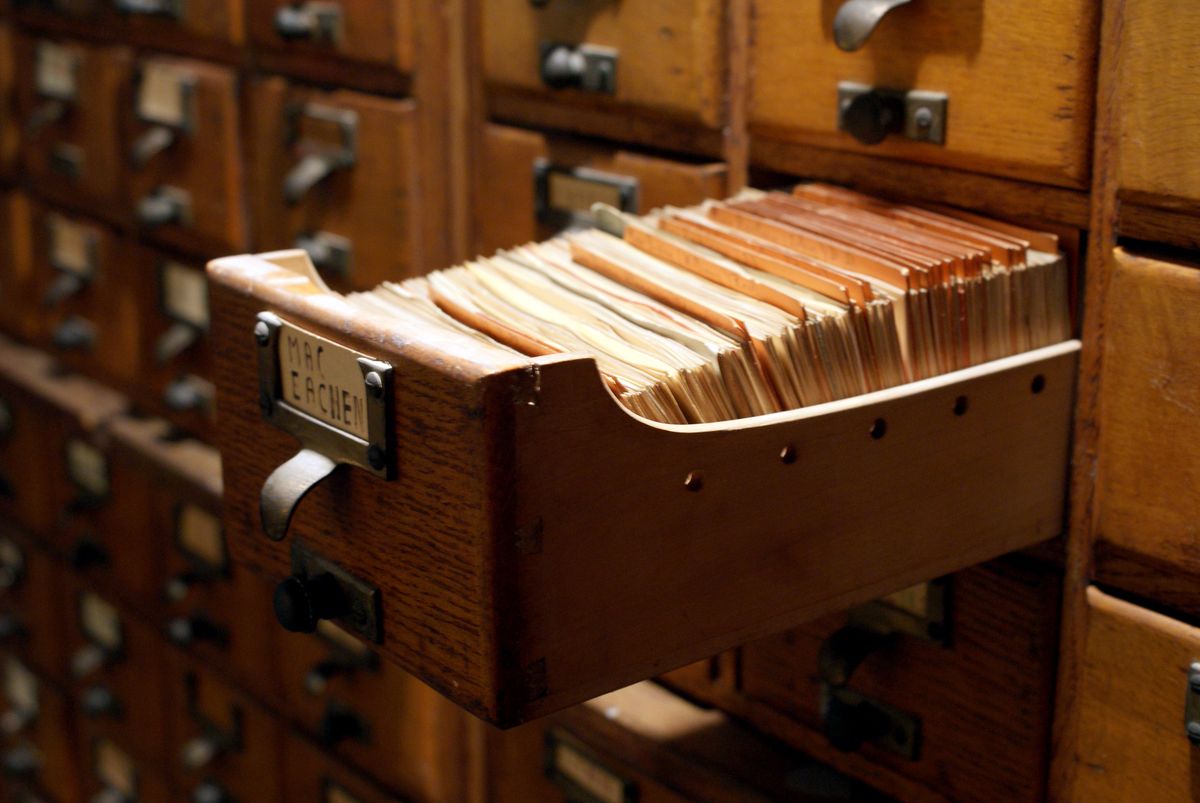
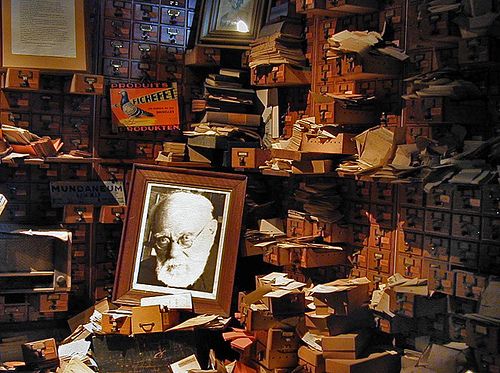
When the Mundaneum opened in 1910, its purpose was to collect all of the world’s knowledge on neatly organized 3 x 5 index cards. The brainchild of Belgian lawyer Paul Otlet and Nobel Peace Prize winner Henri LaFontaine, the vast project eventually totaled 12 million cards, each classified according to the Universal Decimal Classification system developed by Otlet.
Le Corbusier was one of many prominent figures enthralled by Otlet’s scheme of a “Universal Book.” He described it as a panorama of “the whole of human history from its origins,” and signed on to design an international “city of the intellect,” centered around the Mundaneum.
In 1919, the Belgian government turned over 150 rooms in the Palais du Cinquantenaire to serve as a home for the Mundaneum, but five years later revoked the space to use it for a temporary exhibit on the nation’s rubber industry. The Mundaneum moved into a series of smaller spaces, and eventually took over a parking garage before closing for good in 1934, the same year that Otlet published his magnum opus, "Traité de documentation."
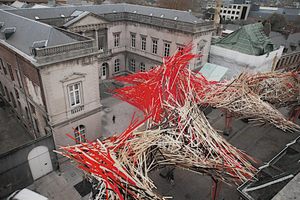
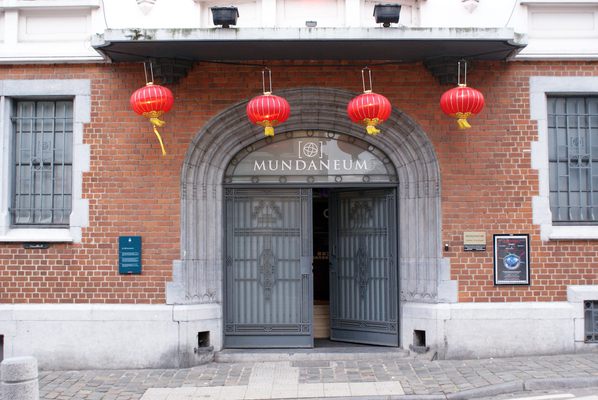
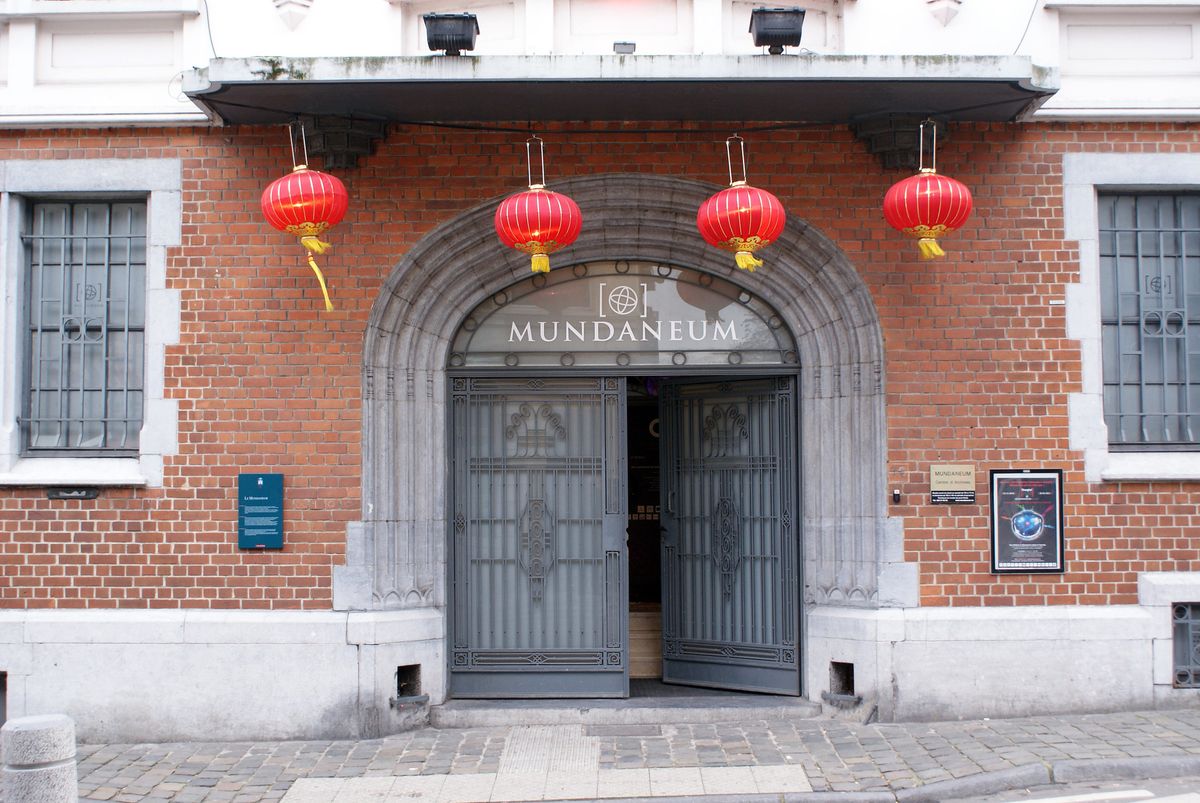
Though Otlet’s name is little remembered today outside the field of information science, he deserves credit for developing many of the ideas behind the modern internet. What’s left of the Mundaneum persists in a museum in the Centre d'archives de la Communauté Française in Mons, Belgium.
Related Tags
Community Contributors
Added By
Published
February 28, 2010