

About
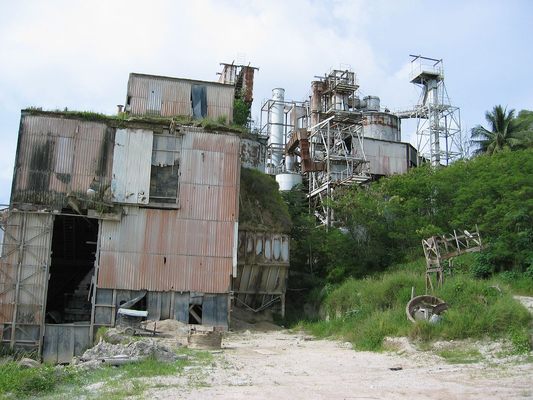
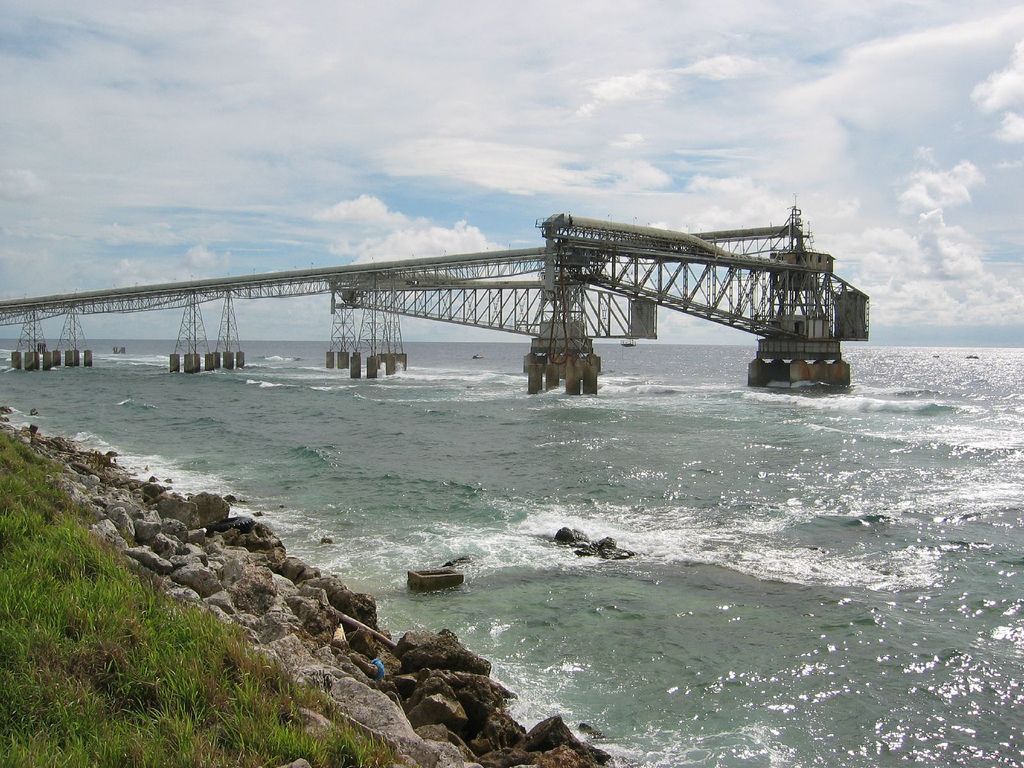
Known as "the country that ate itself," Nauru is—along with the islands of Banaba (Ocean Island) in Kiribati, and Makatea in French Polynesia—one of the three big "phosphate rocks" of the Pacific.
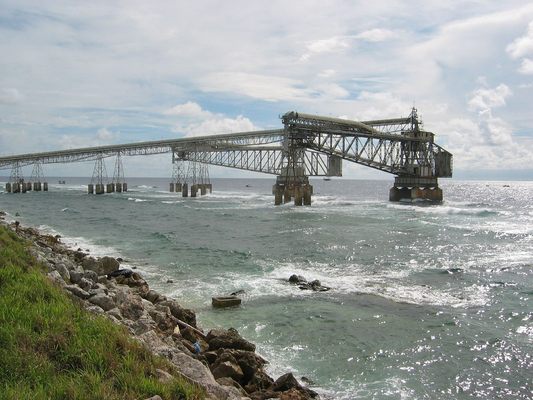
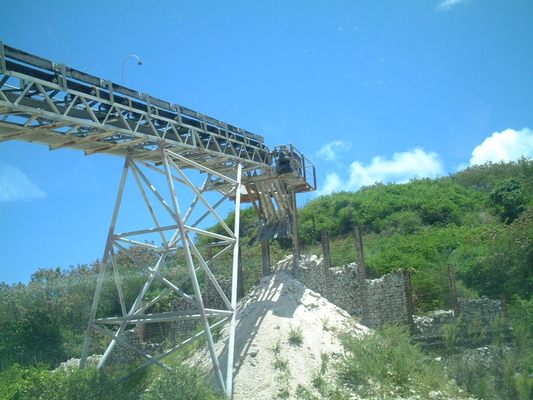
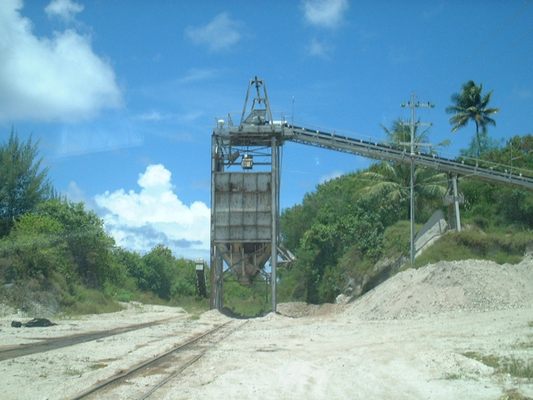
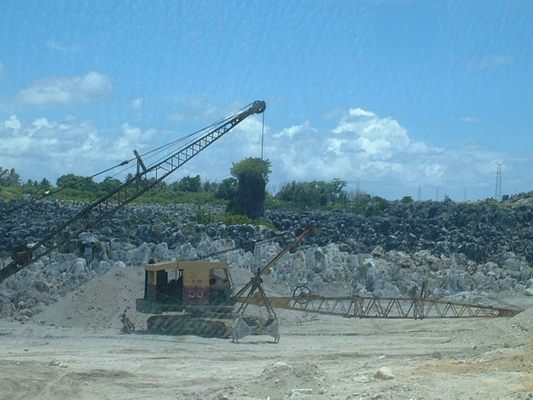
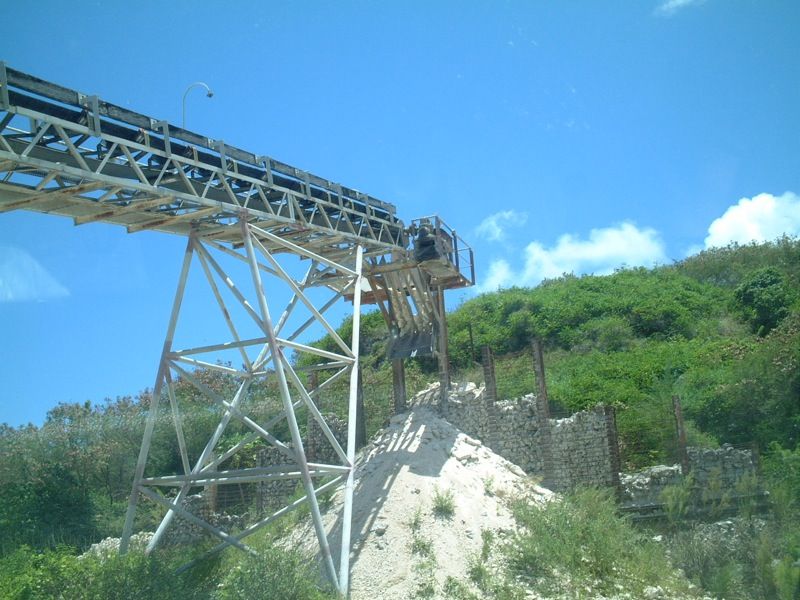
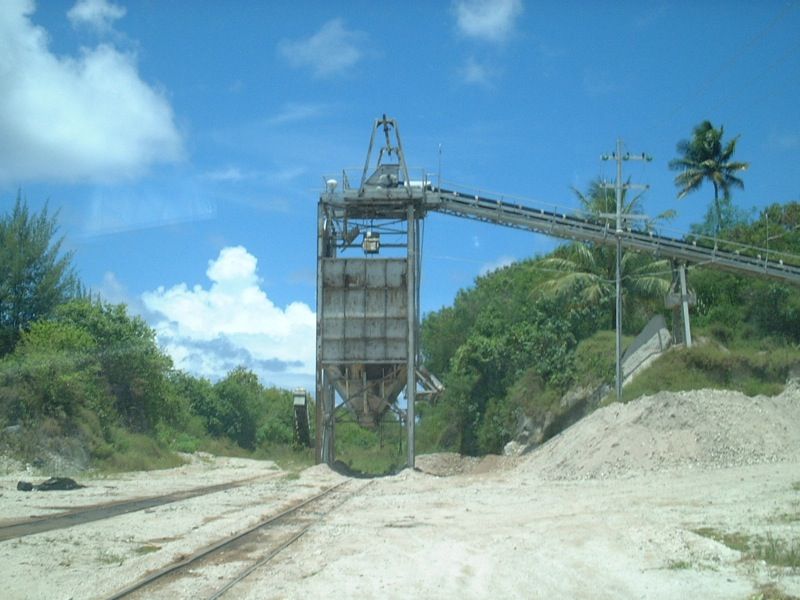
Almost the entire surface of the island was once covered with a thick layer of guano, sedimentary bird droppings that accumulated over several millennia. The high level of phosphorus in Nauru guano made it an ideal raw material for fertilizers and explosives. Exploitation of the island's guano reserves started at the turn of the last century.
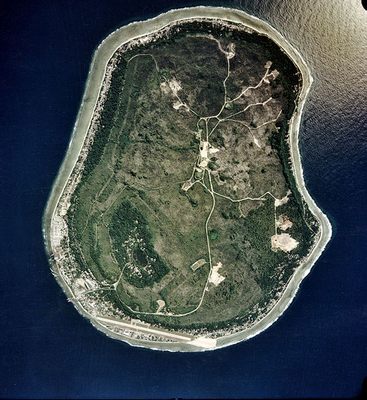
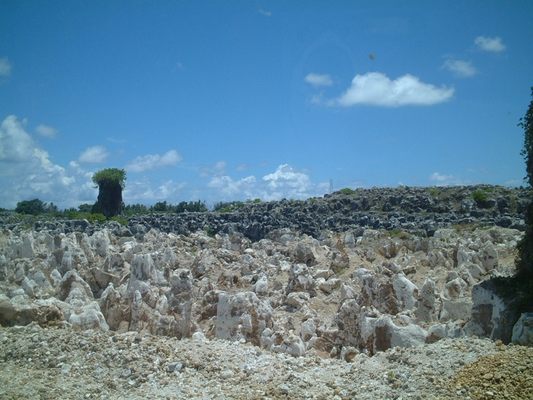
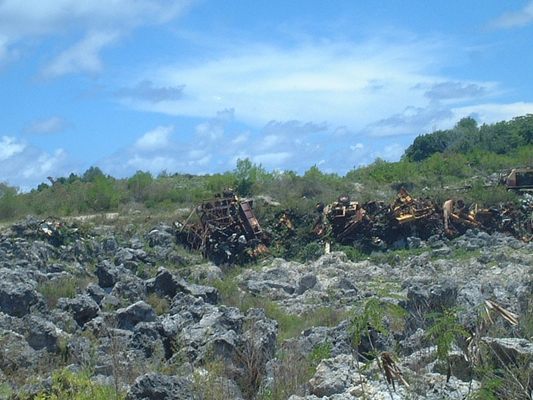
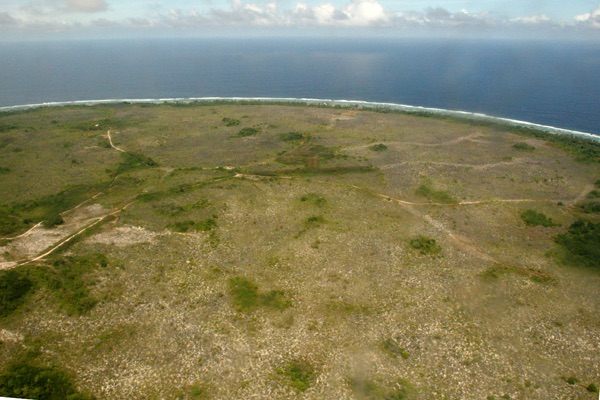
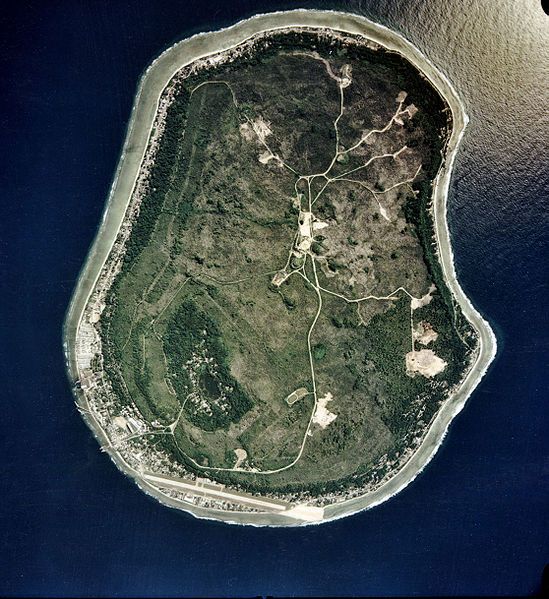
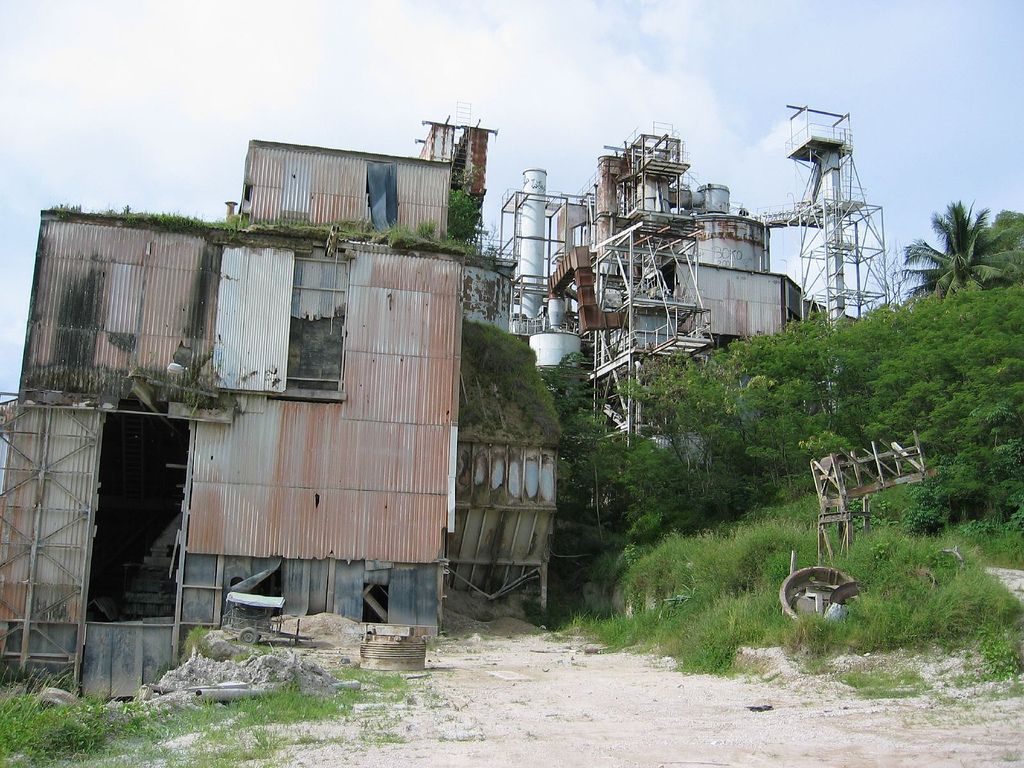
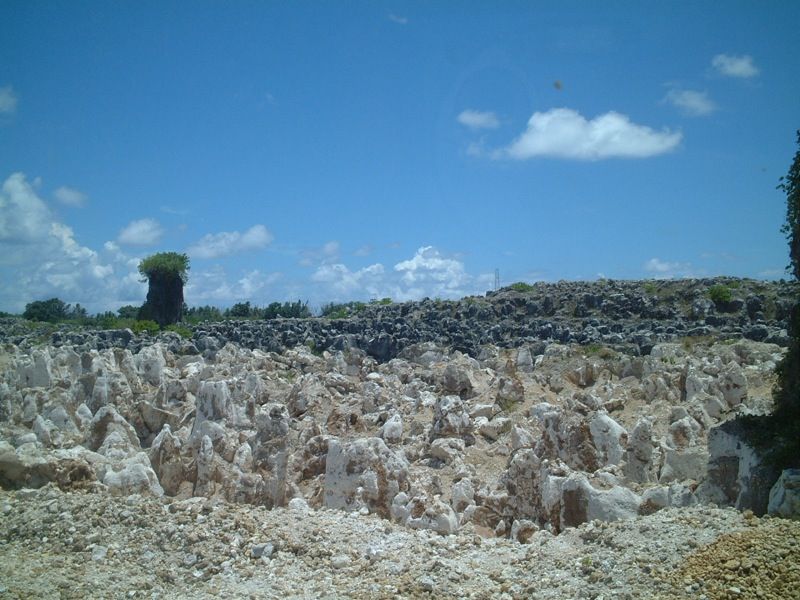
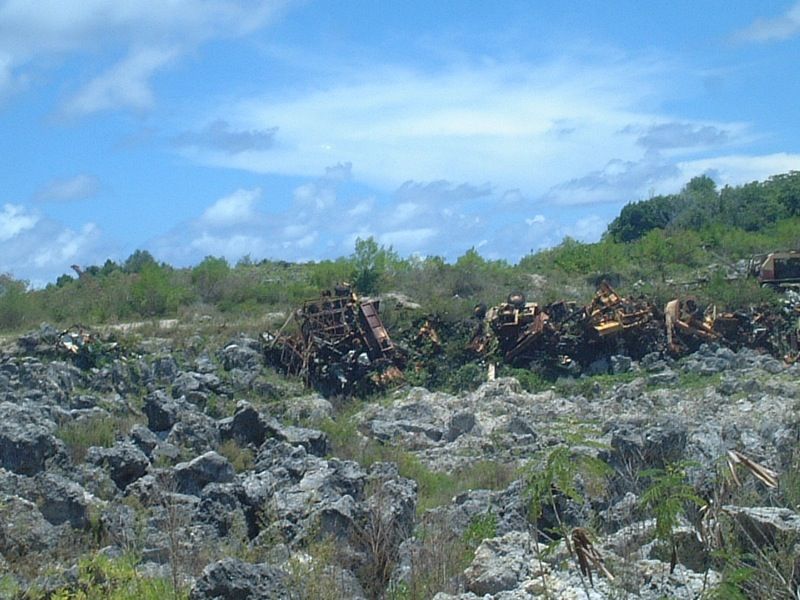
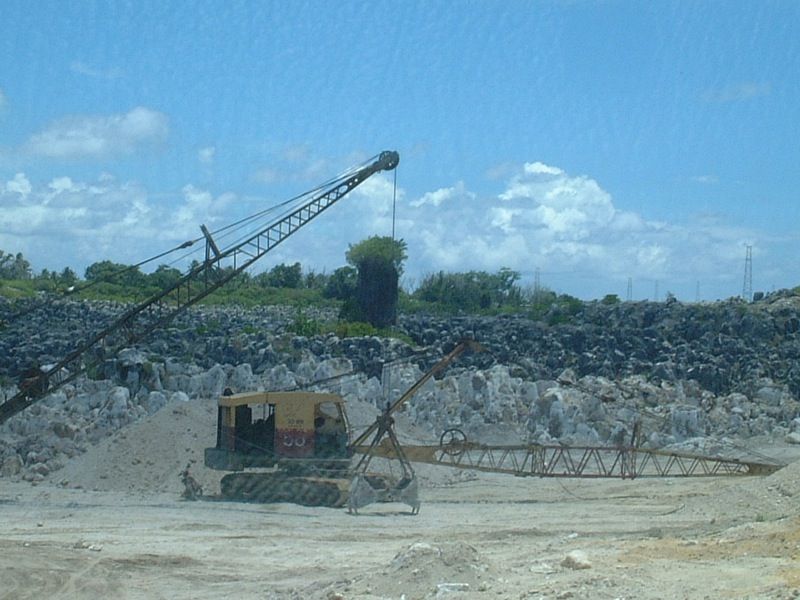
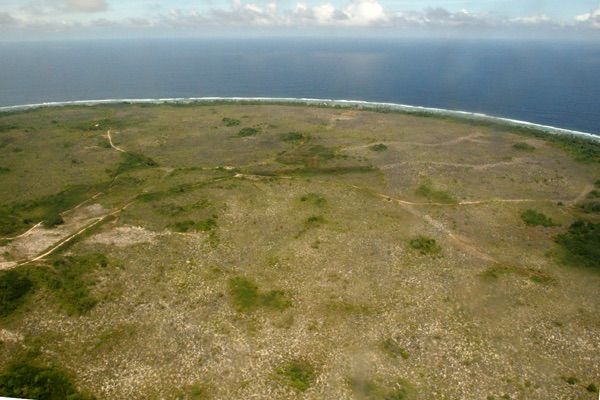
The business became so lucrative that by the time Nauru achieved independence in the 1960s, the country had the highest per capita income in the world. Unfortunately, after a century of exploitation, the phosphate reserves have been almost entirely depleted. Decades of strip mining have devastated over 80 percent of the nation's land, leaving it a barren wasteland of jagged limestone pinnacles up to 15 meters (49 feet) high. With the end of phosphate mining and chronic mismanagement of the revenue it brought, the country's economy collapsed, and the devastation left by strip mining mostly eliminated the chance of establishing a tourist industry.
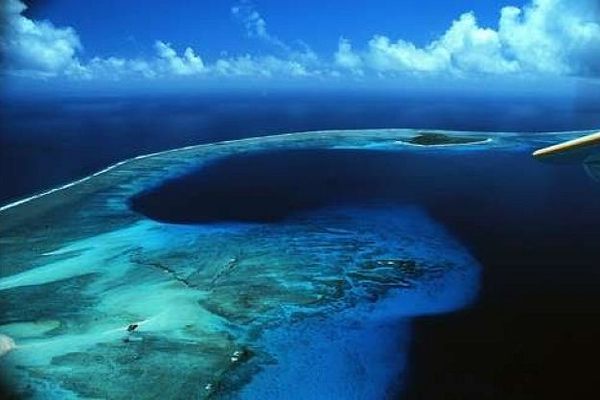
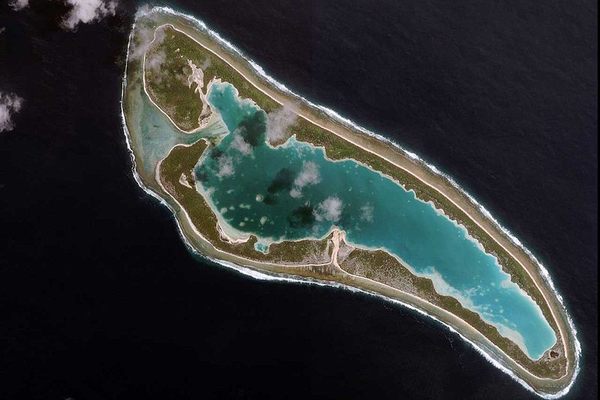
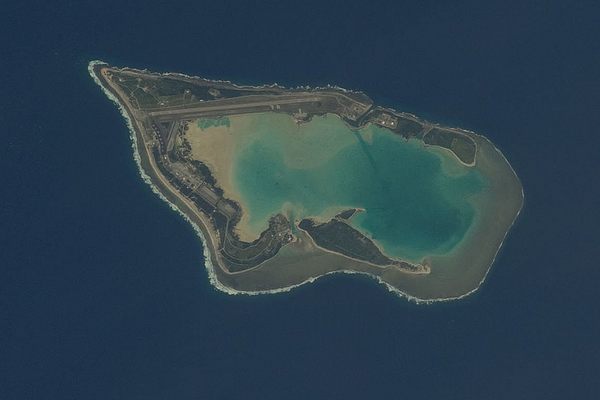
Today, with a population of about 10,000, the island of Nauru, a minuscule 5 kilometers in diameter, has only a 150-meter-wide strip of fertile land left along one of its shores. The entire population relies on a single desalination plant for its freshwater supply.
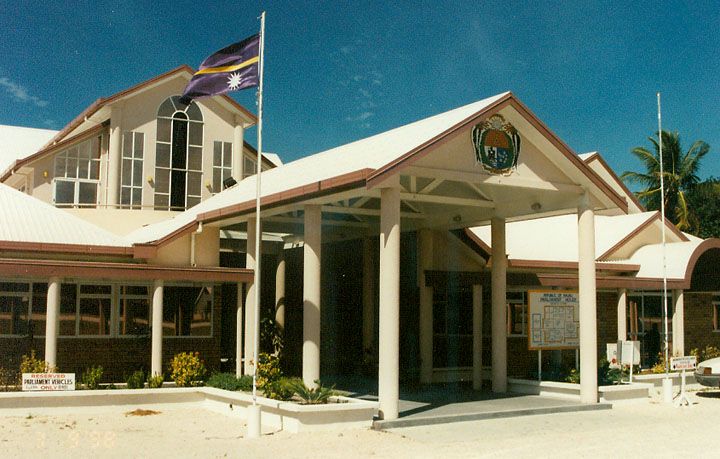
For a time, Nauru tried to survive as a tax haven. However, faced with international pressure, the local government put a stop such practices. The Nauruan government allegedly entered into a classified agreement with the United States government and the New Zealand government to end their problematic banking system, stop printing and selling passports, set up a Pacific listening post, and set up an embassy in China in exchange for millions of dollars. The Nauruans claim that the United States government never held up their end of the bargain and sued in an Australian court.
The island's latest moneymaking plan has involved hosting an Australian detention center for asylum seekers. Not along ago, two asylum seekers set themselves on fire to protest the conditions of their detention. In April 2016, an Iranian asylum seeker was unsuccessful in his suicide attempt and was charged a fine from the Nauruan government. As a result of this and subsequent attempts by others, Nauru's parliament changed their criminal code to decriminalize suicide.
Today the future of Nauru remains uncertain.
Related Tags
Know Before You Go
Nauru Airlines has flights to Nauru from Brisbane (Australia) and Honiara (Solomon Islands).
Community Contributors
Added By
Published
May 1, 2010
Sources
- http://en.wikipedia.org/wiki/Nauru
- http://www.ourairline.com.au/
- http://www.thisamericanlife.org/radio-archives/episode/253/transcript
- http://articles.latimes.com/2003/apr/27/world/fg-nauru27
- http://www.aljazeera.com/indepth/features/2016/05/nauru-detention-centre-suicide-160517120527051.html
- http://www.huffingtonpost.com/entry/nauru-homosexuality-marital-rape-slavery_us_574d2e54e4b055bb11729389