



About
The town of Thistle, Utah, was established in 1883. It flourished for a time as a farming and ranching community and became a major stop on the Denver and Rio Grande Western Railroad.
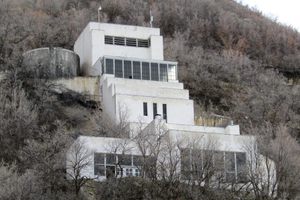
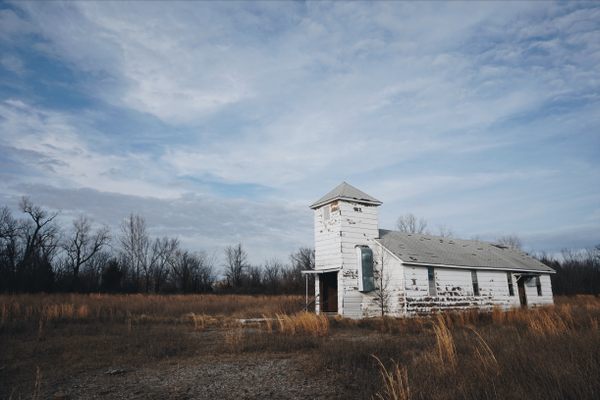
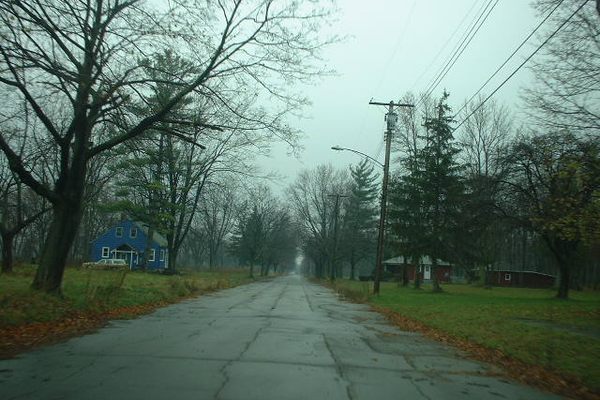
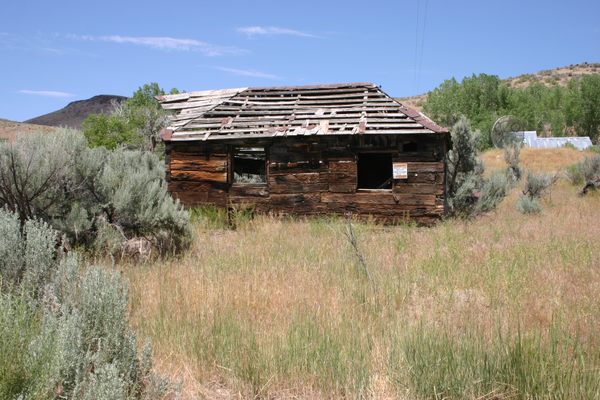
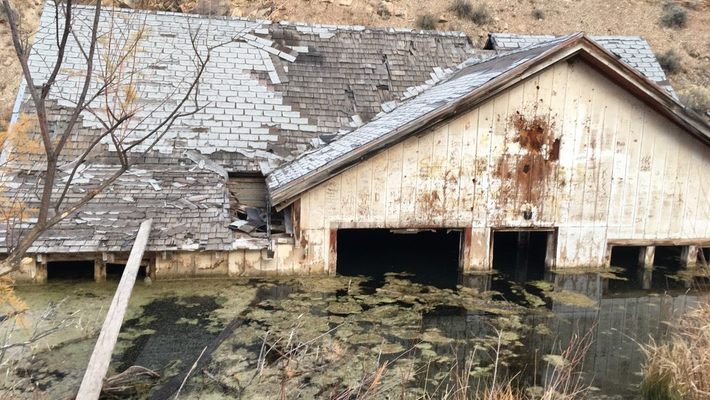
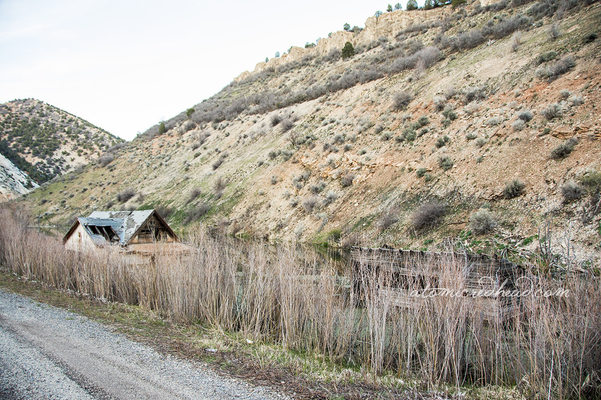
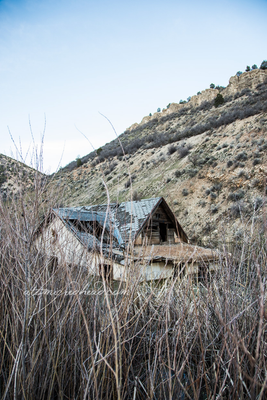
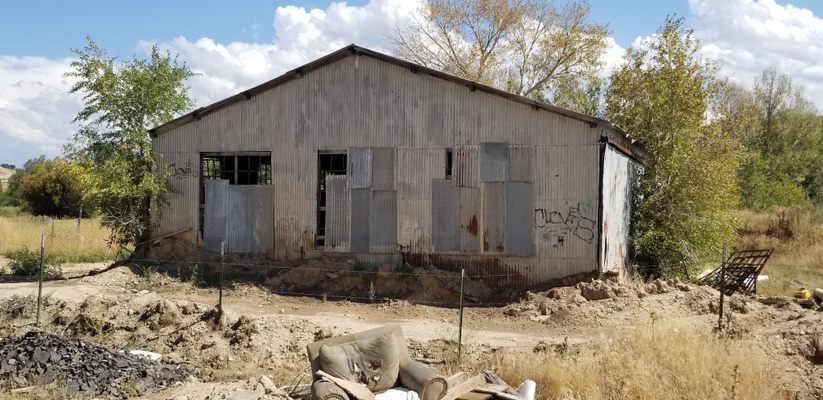
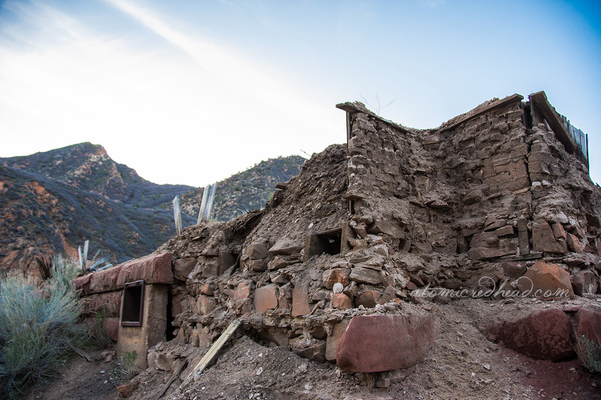
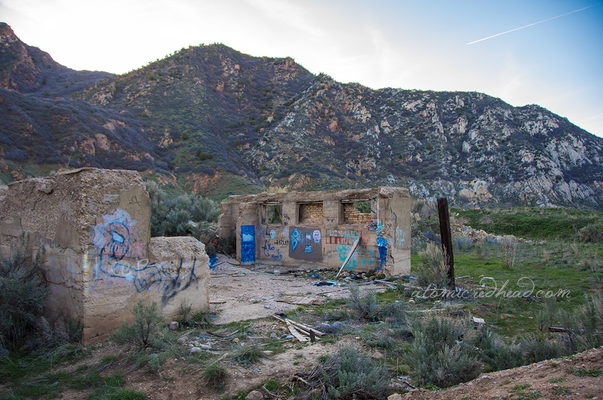
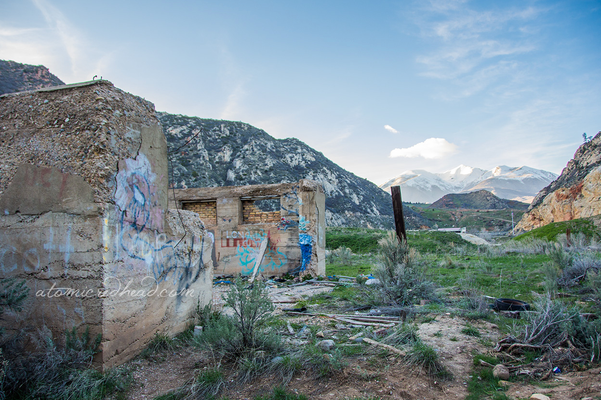
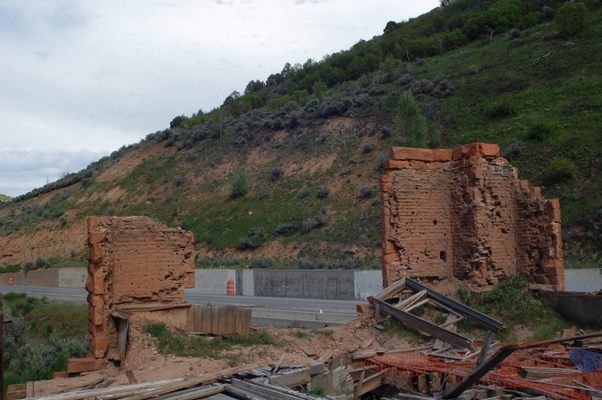
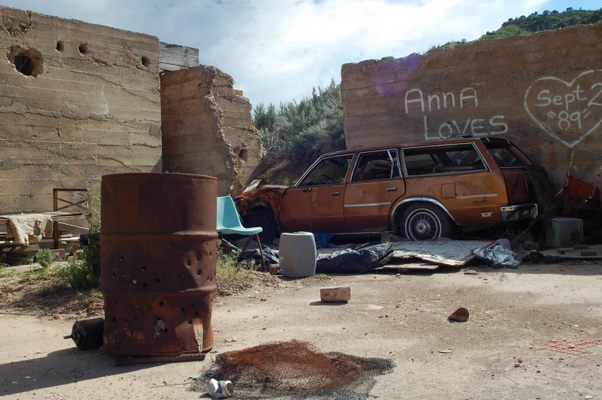
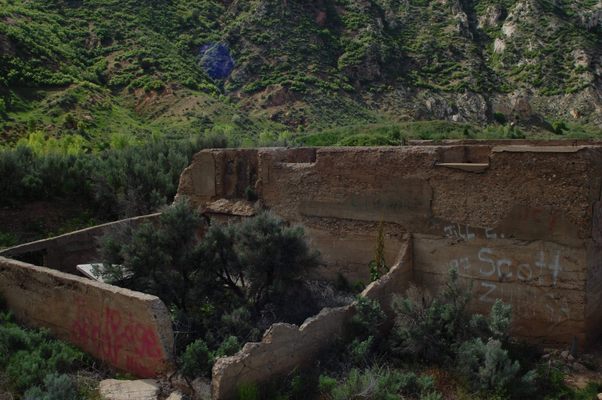
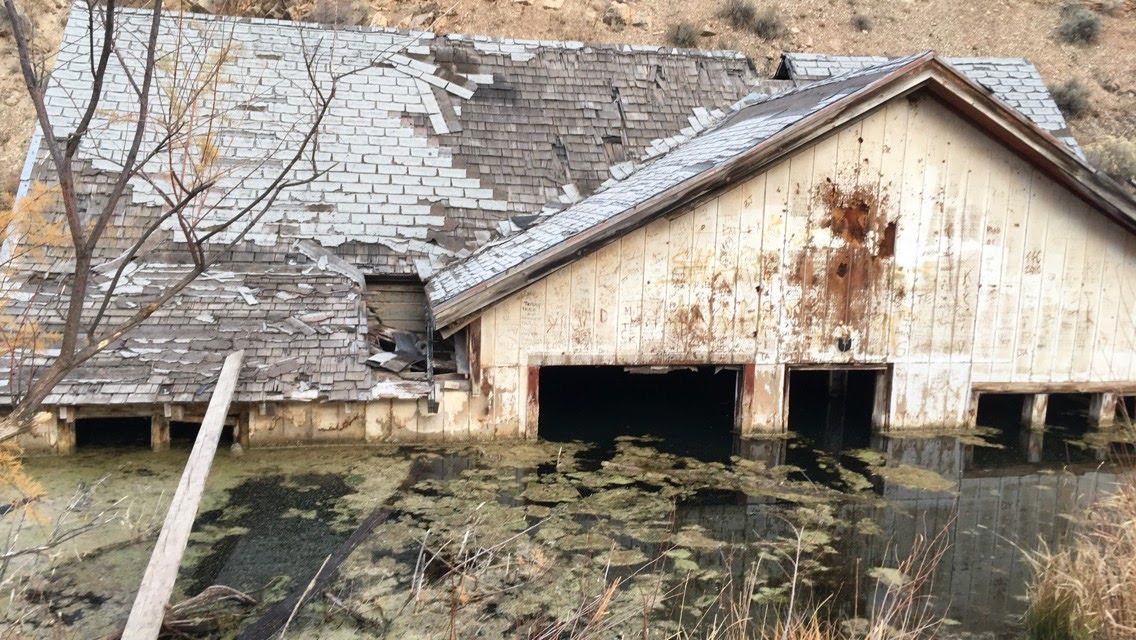
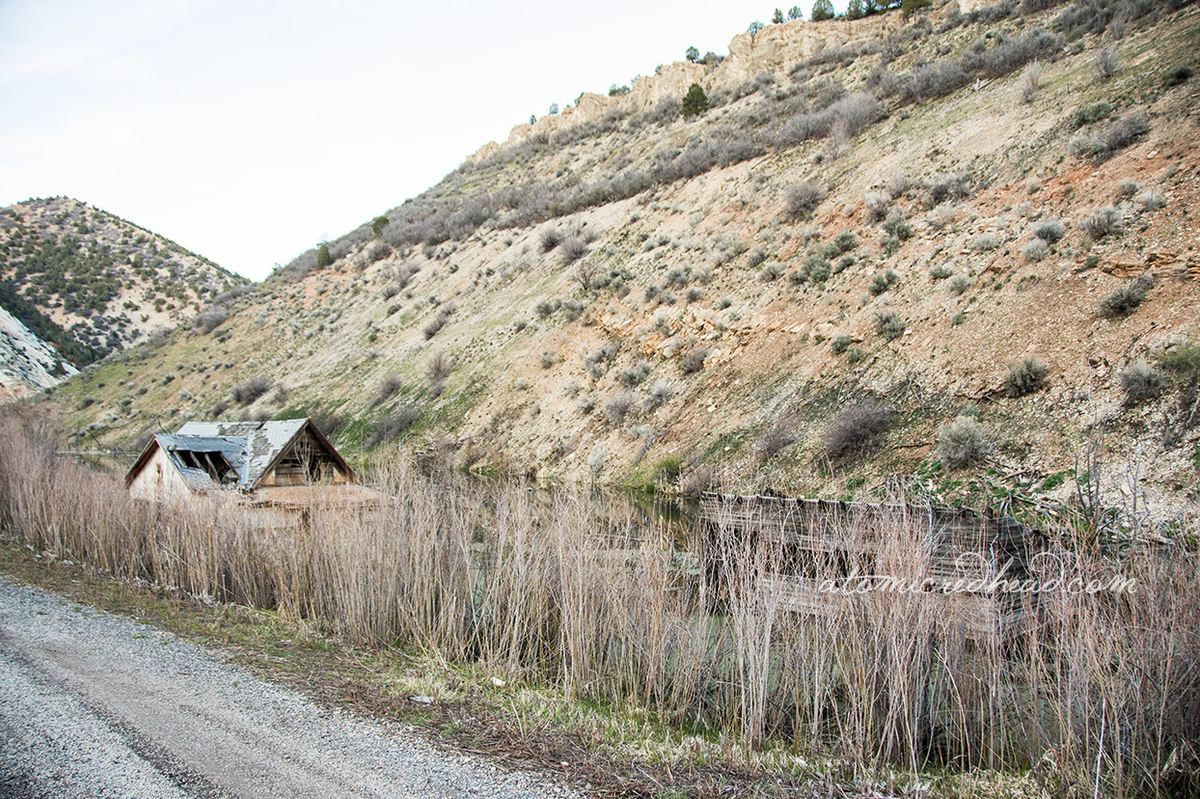
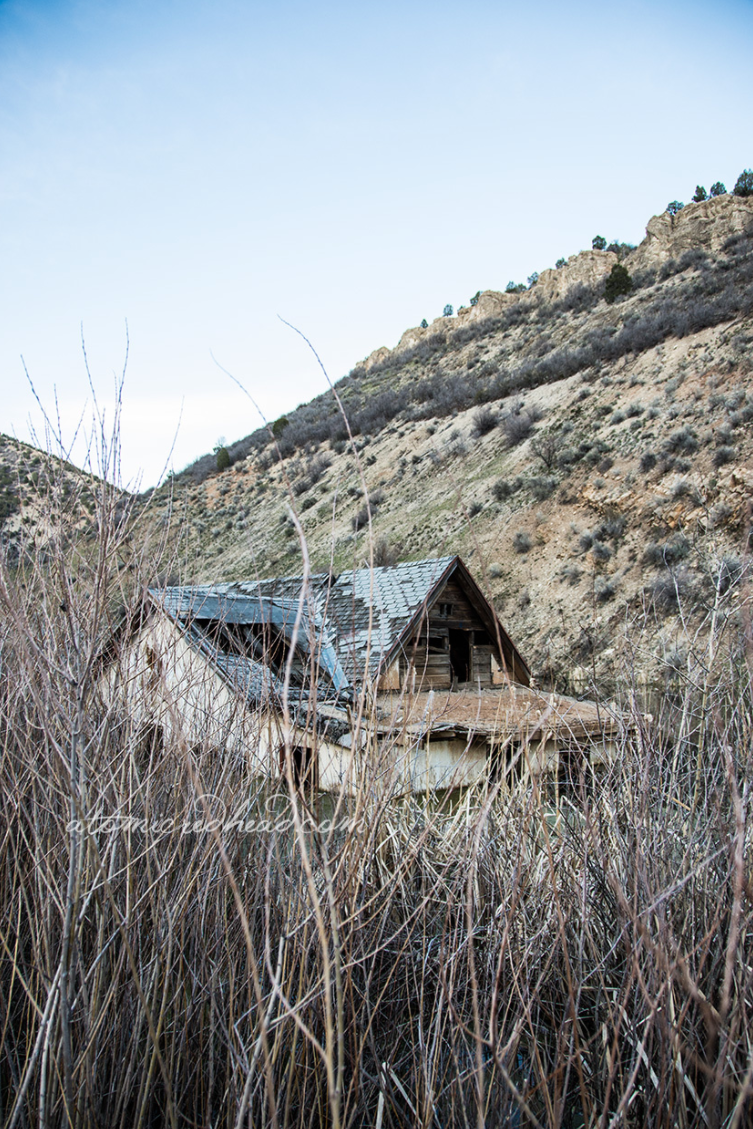
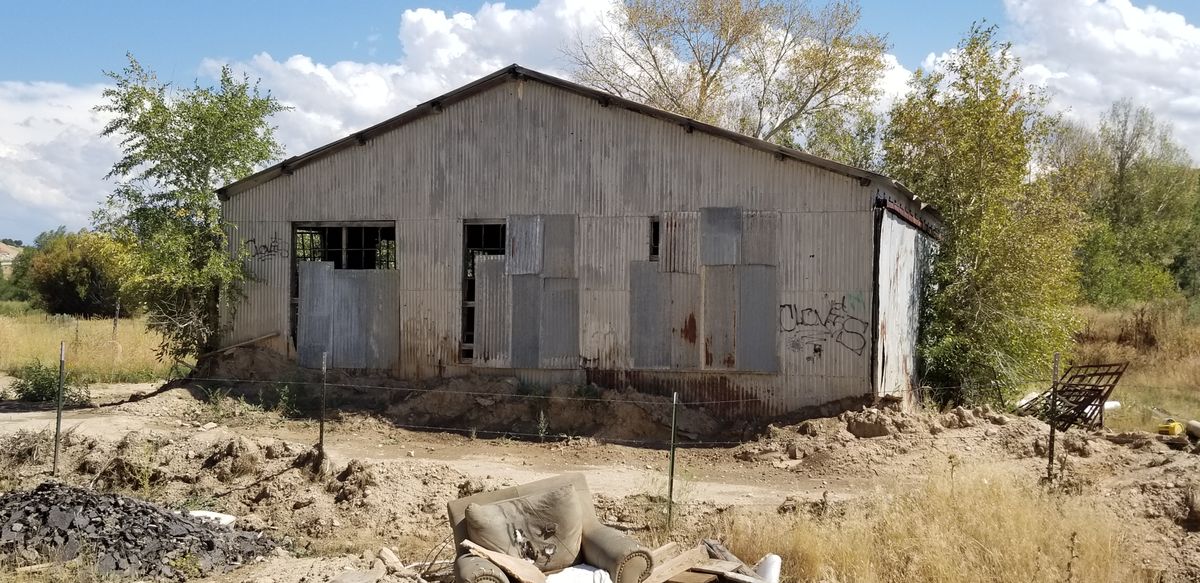
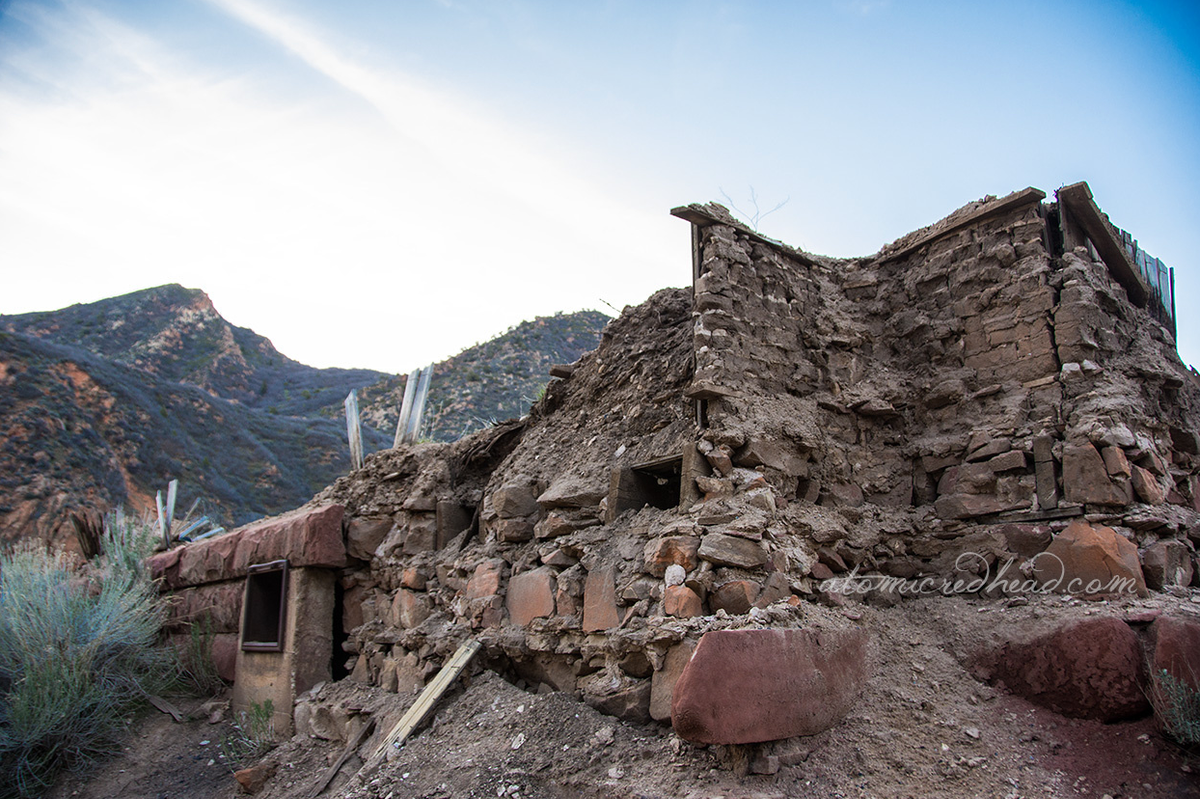
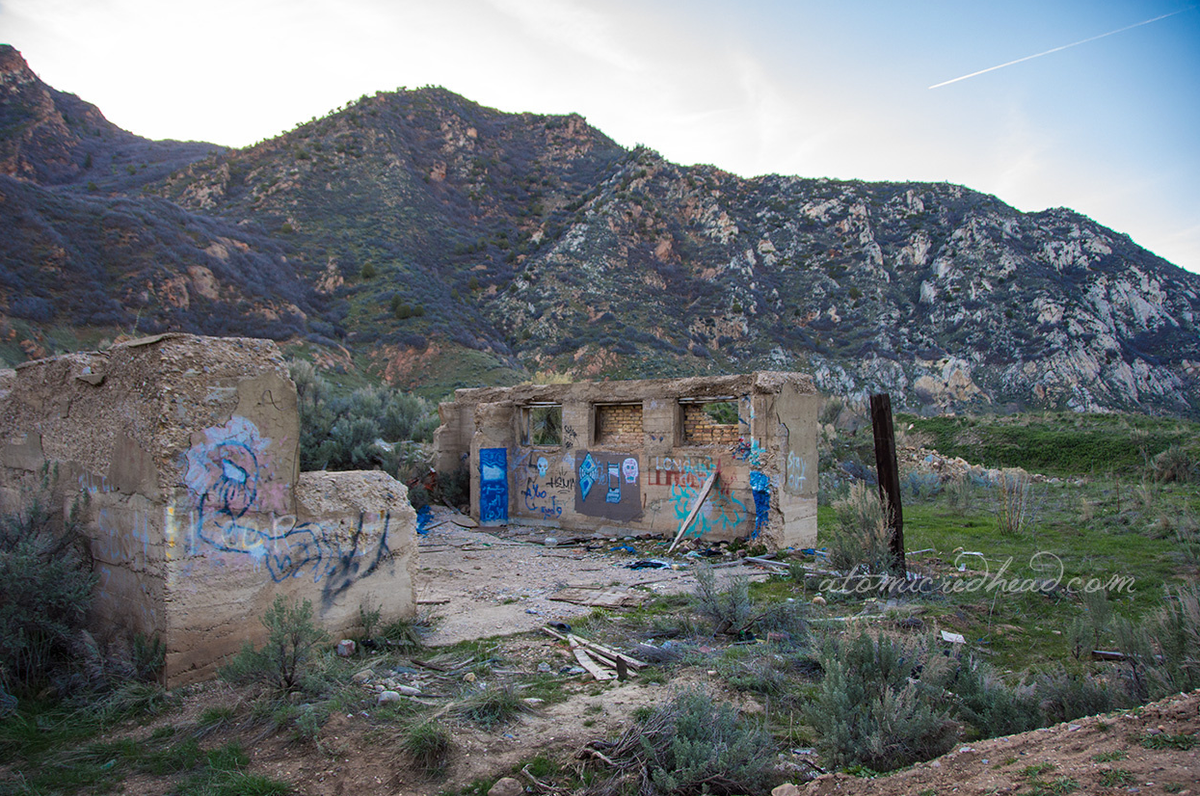
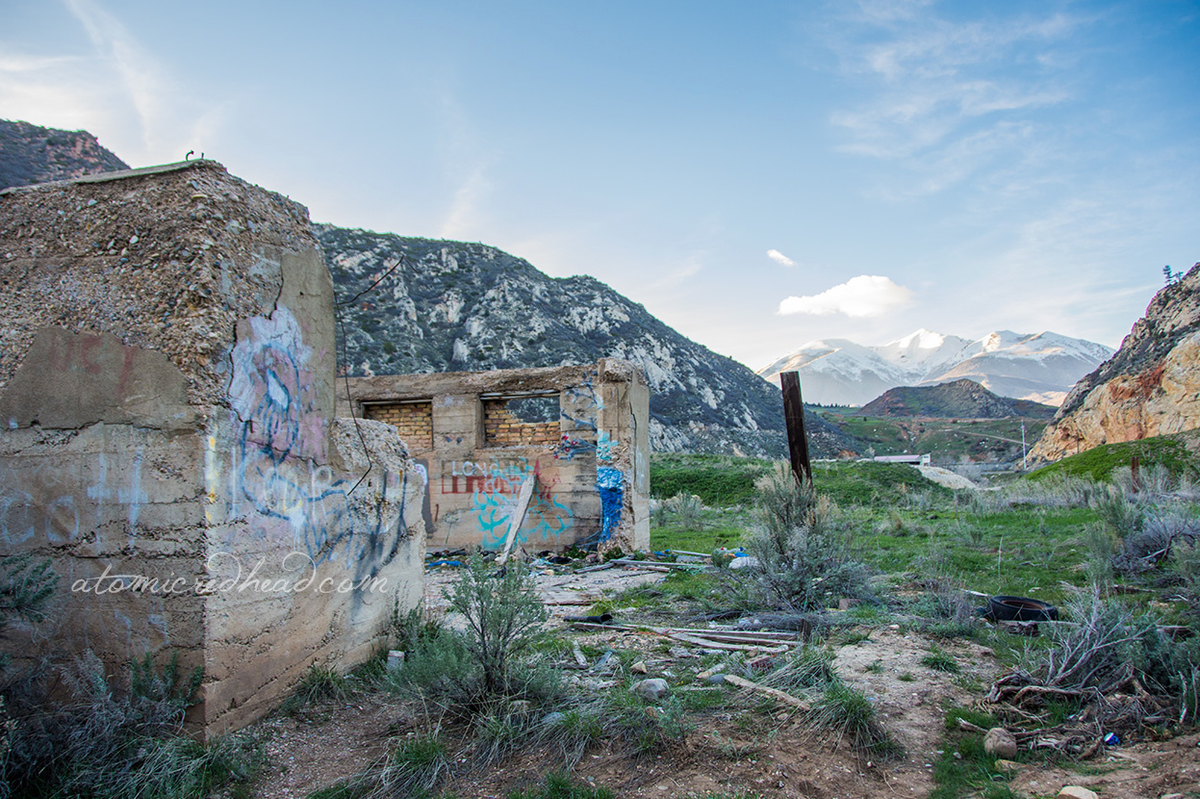
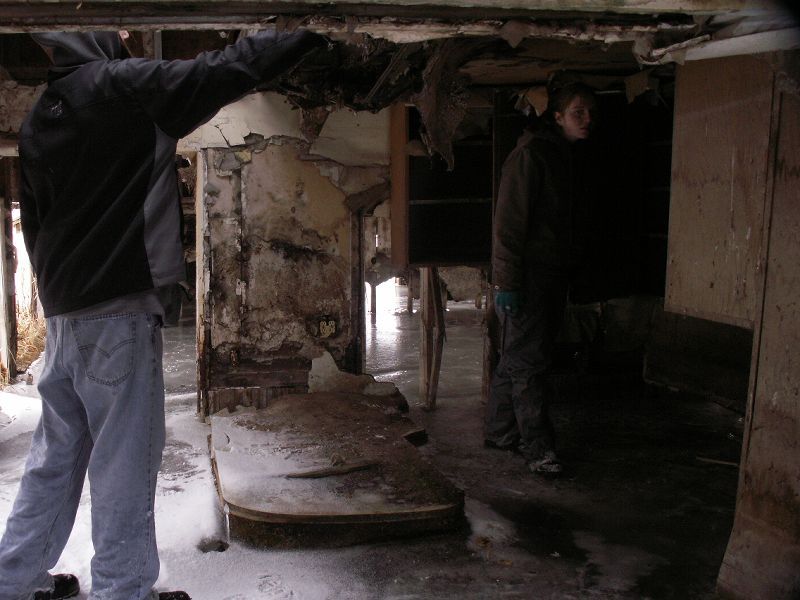
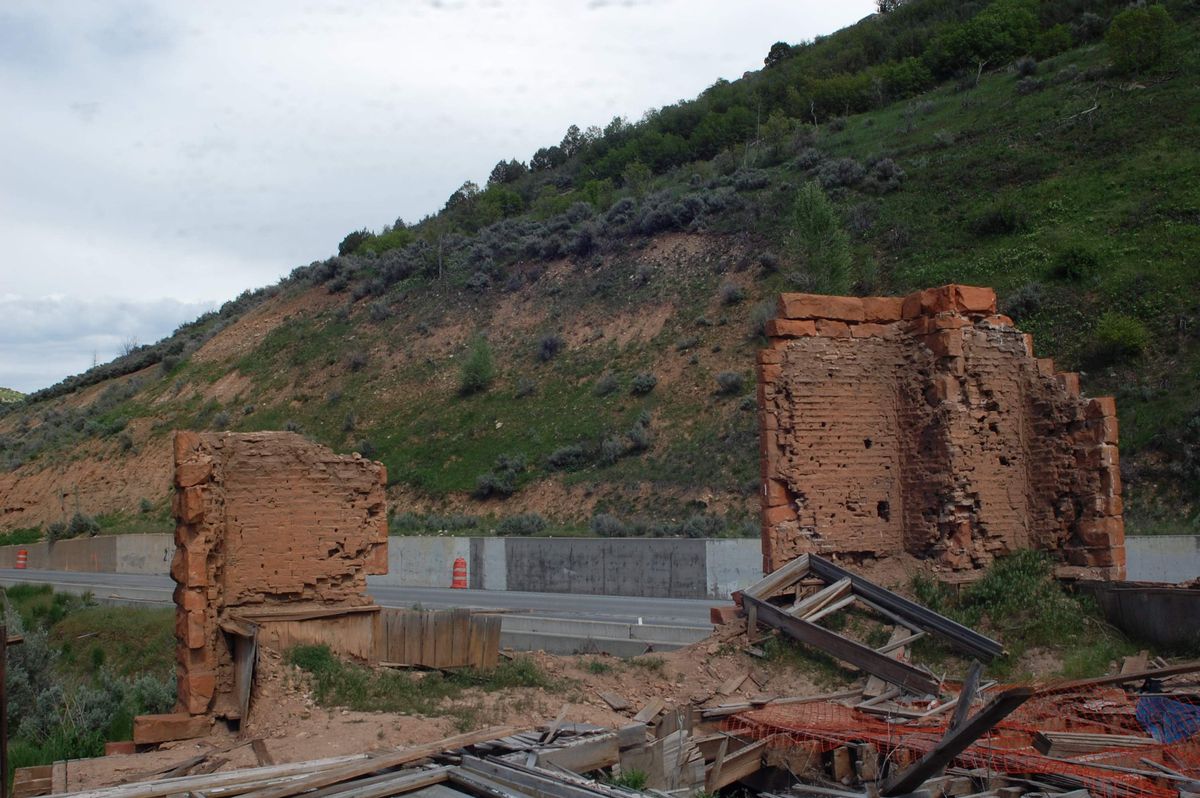
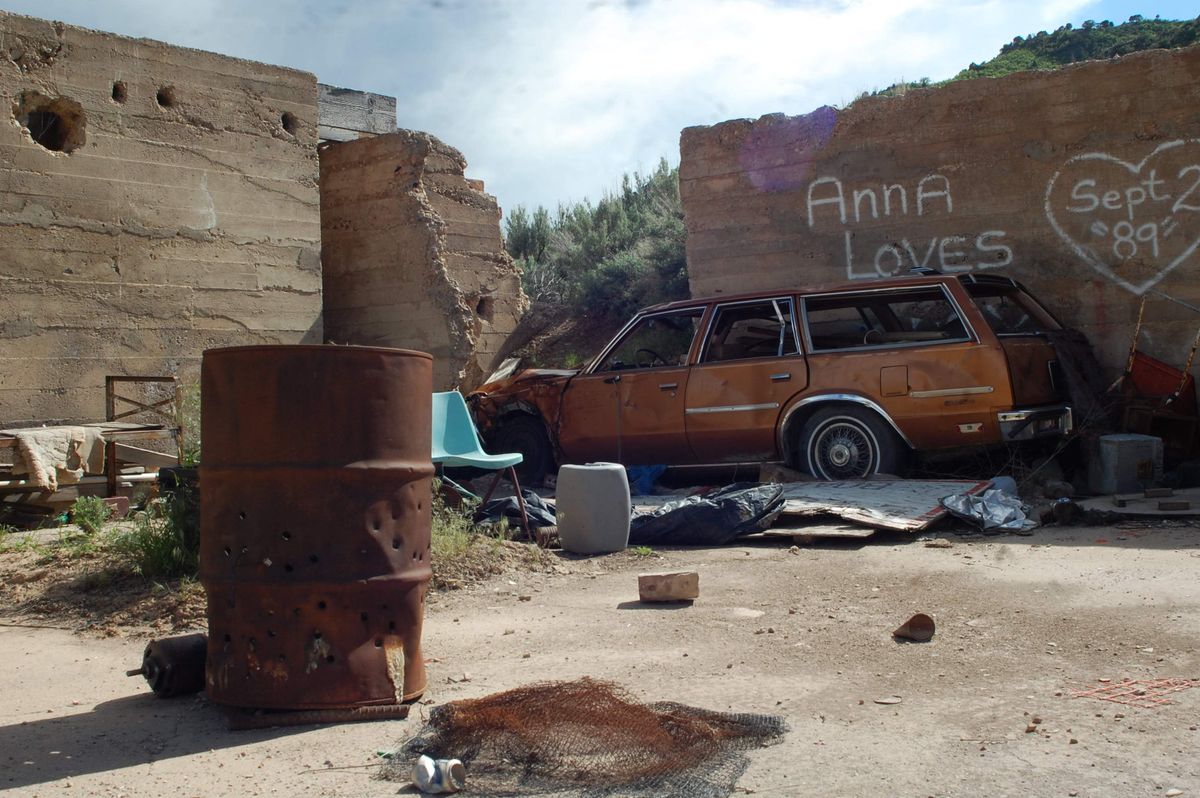
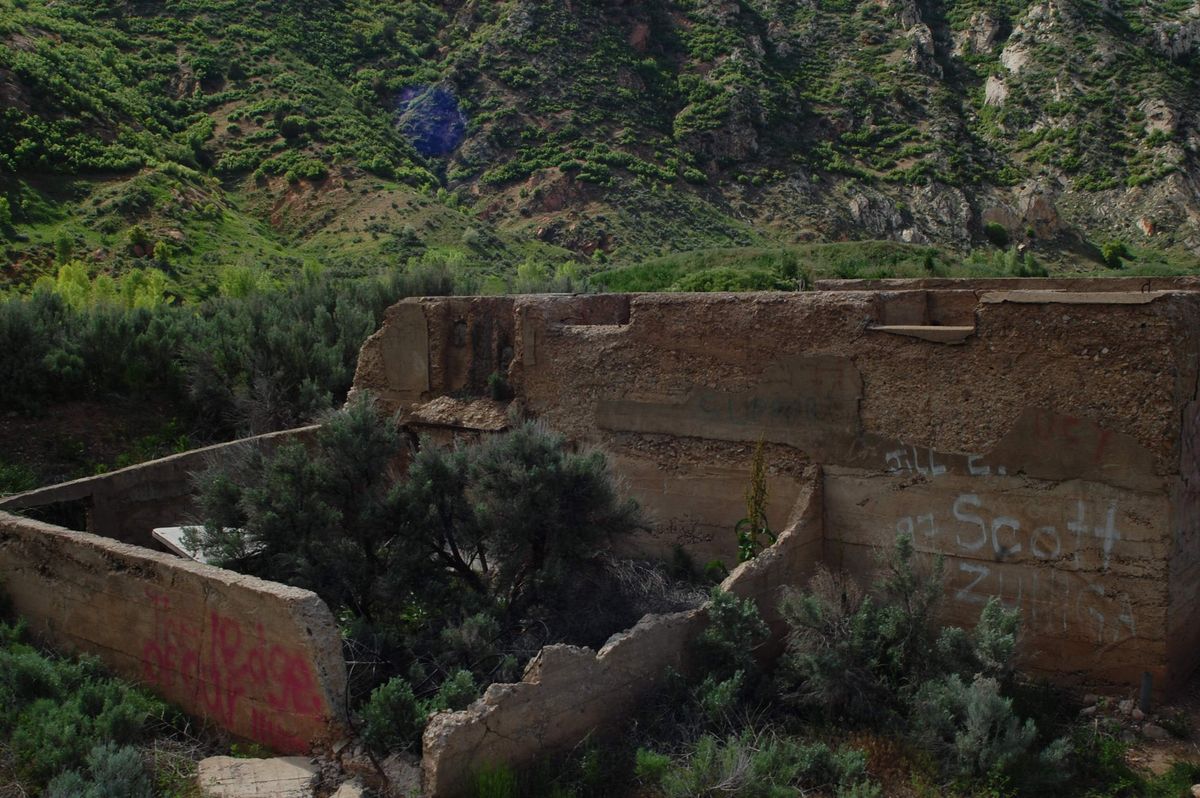
Then, in April of 1983, a massive landslide, the costliest in U.S. history, dammed two creeks, flooding and destroying most of the tiny town. Roofs became rafts and can still be seen strewn about the area. Only a few structures remain, and most can be seen from the road, including a red schoolhouse, a house on a hill (which has recently been demolished), and a half-sunken house into a bog, and the old train machine shop.
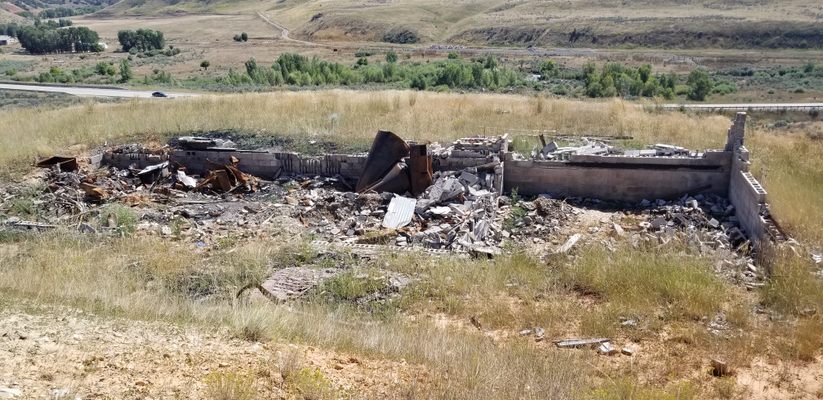
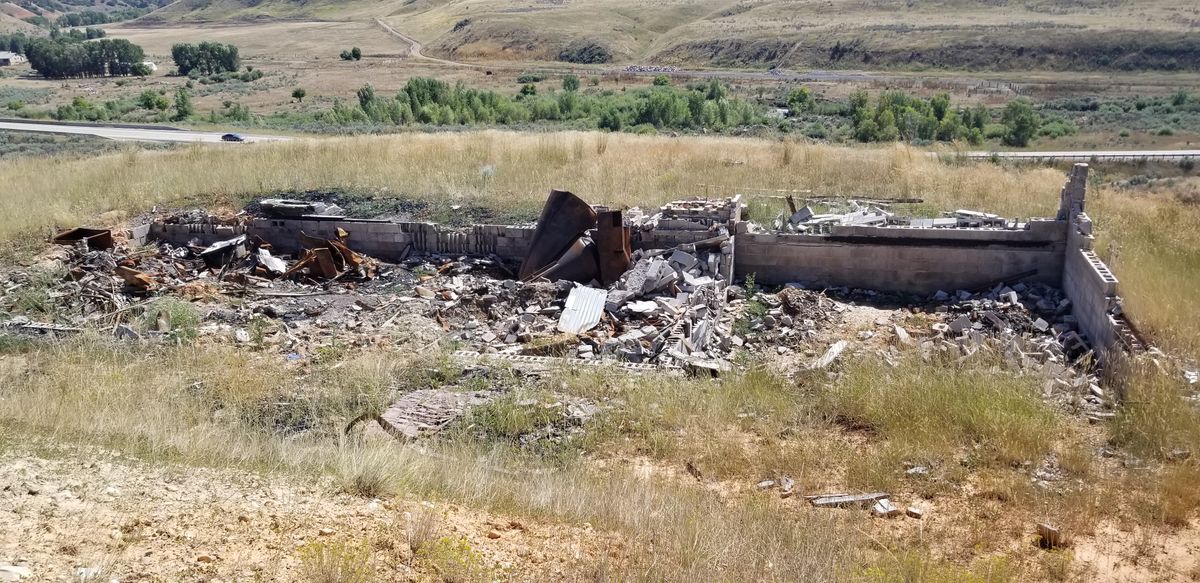
In August 2018, a large fire burned through Spanish Fork Canyon after a lightning storm. More than 30,000 acres of land were destroyed, including many of the remaining structures in Thistle.
Related Tags
Know Before You Go
From Salt Lake, travel on I-15 towards the town of Spanish Fork. Take exit 261 and head east on U.S. Route 6/89. To view the landslide from the downstream side, turn right onto Spanish Fork River Park road after approximately 11 miles; otherwise, continue approximately 12.7 miles (from I-15) and turn right into the large pullout immediately before a massive double road cut. This pullout provides an excellent overview of the area. Approximately 1.5 miles past the pullout, turn right onto U.S. Route 89 and travel approximately 1.5 miles to the ruins of the town of Thistle.
Thistle is located on private property, and is best viewed from a distance.
One can also view a couple of the submerged houses directly along the U.S. Route 6/89. Despite the fact that this entry has been marked as closed, the submerged houses are still there.
Community Contributors
Added By
Published
July 15, 2011
Sources
- http://en.wikipedia.org/wiki/Thistle,_Utah
- http://www.ghosttowns.com/states/ut/thistle.html
- http://dustyshoes.blogspot.com/2008/01/sunken-swamp-house-of-thistle.html
- http://www.geocities.com/usend7079/Thistle/index.htm
- http://geology.utah.gov/surveynotes/geosights/thistle.htm
- http://www.ghosttowns.com/states/ut/thistle.html
- Creative Commons License Attribution http://www.abandonedabandoned.com/ Non Commercial Share Alike 2.0 Generic. All images by Mastahanky [Flickr / mastahanky].