

About
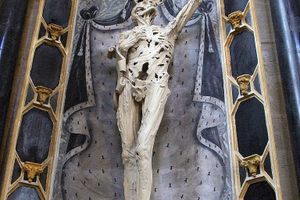
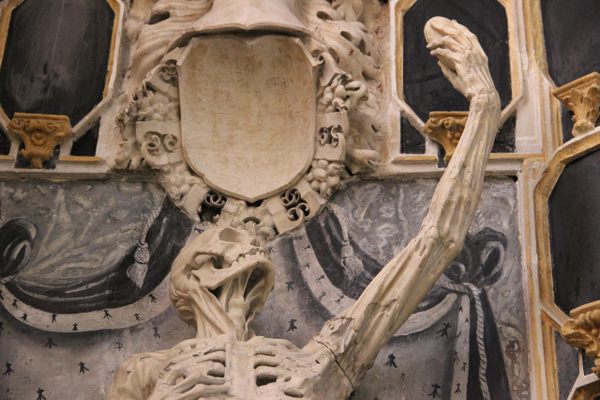
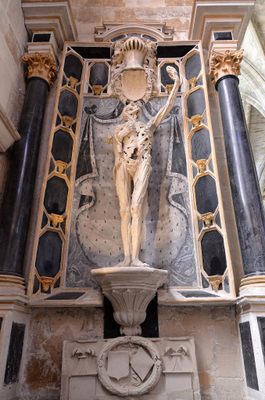
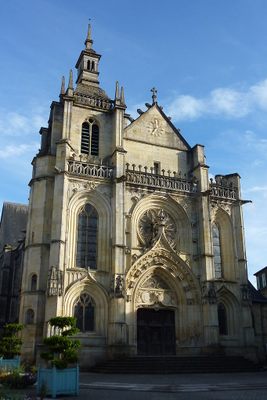
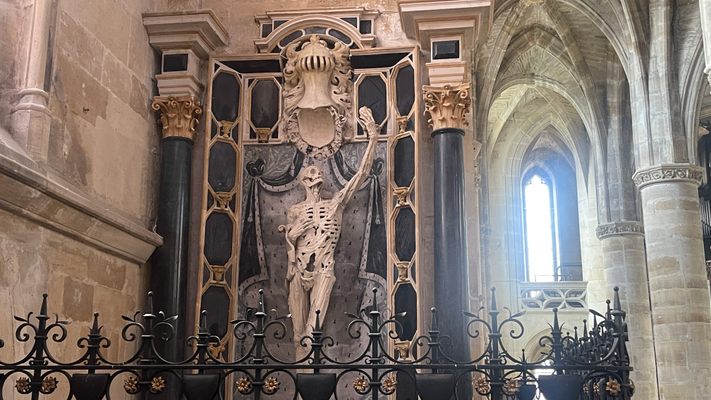
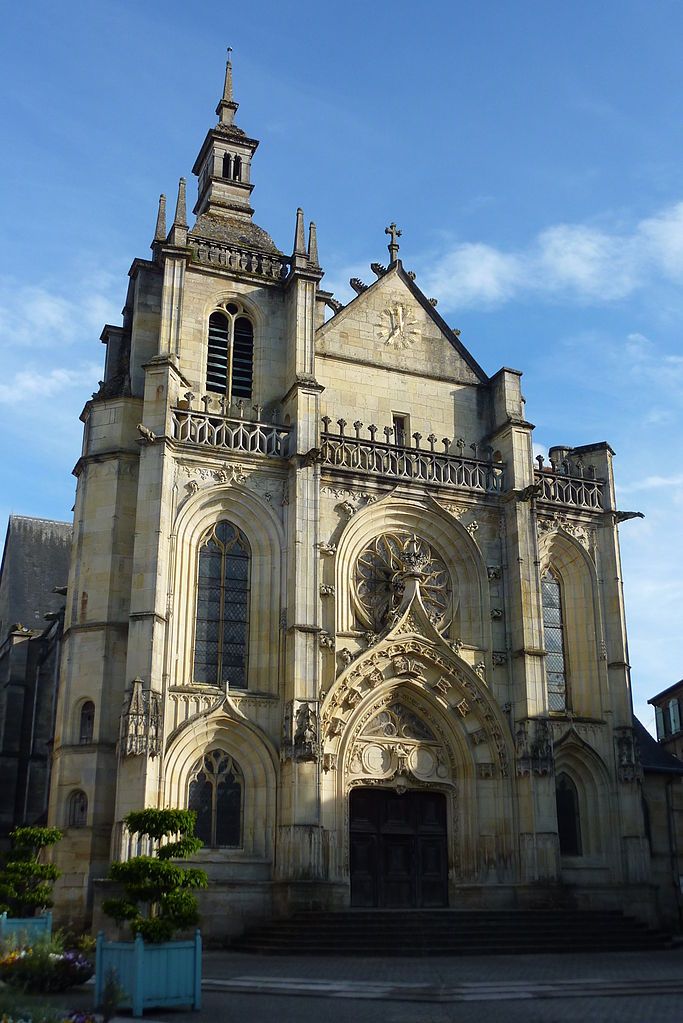
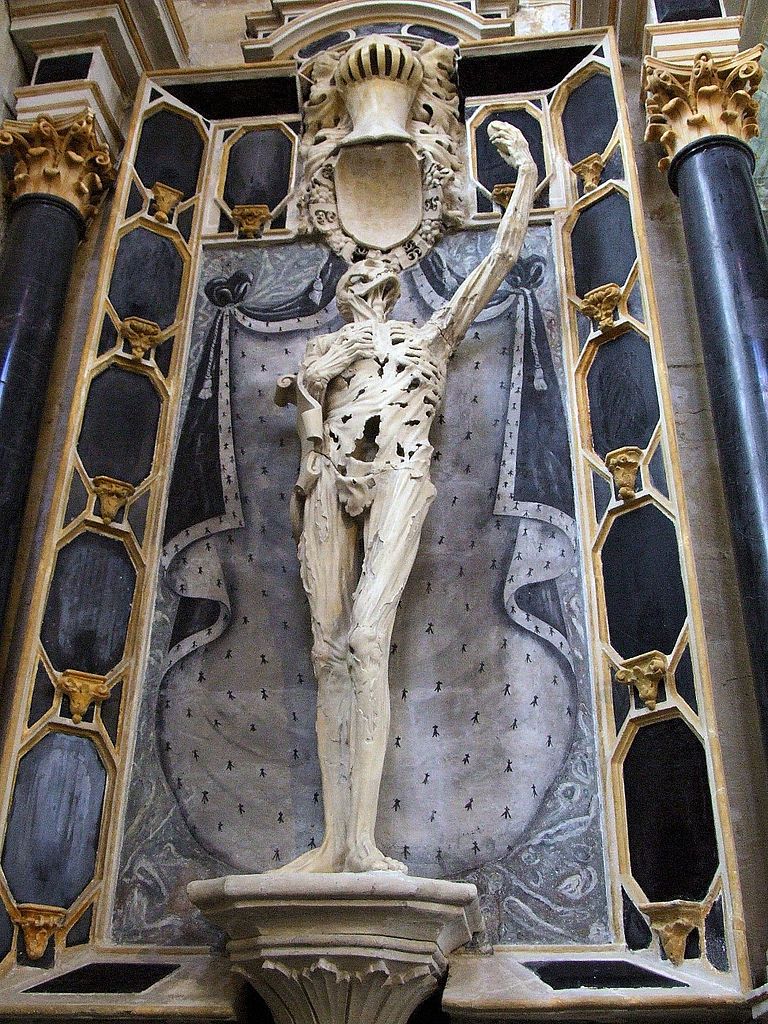
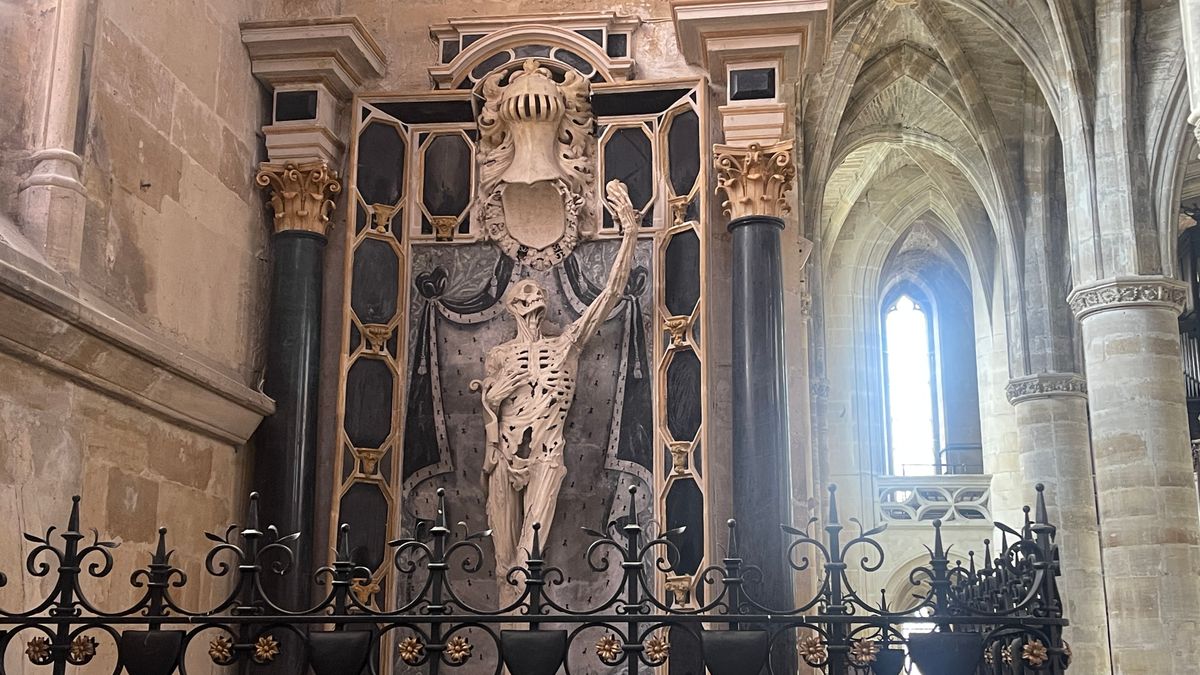
Displayed in the Church of Saint-Étienne-le-Vieux in Bar-le-Duc, France, is the figure of René de Chalon, Prince of Orange.
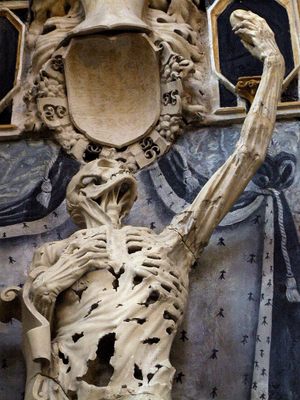
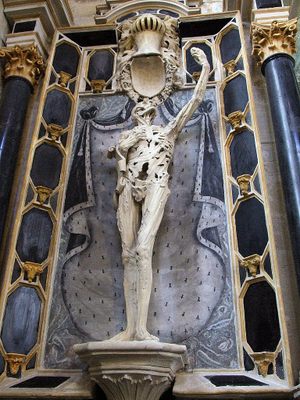
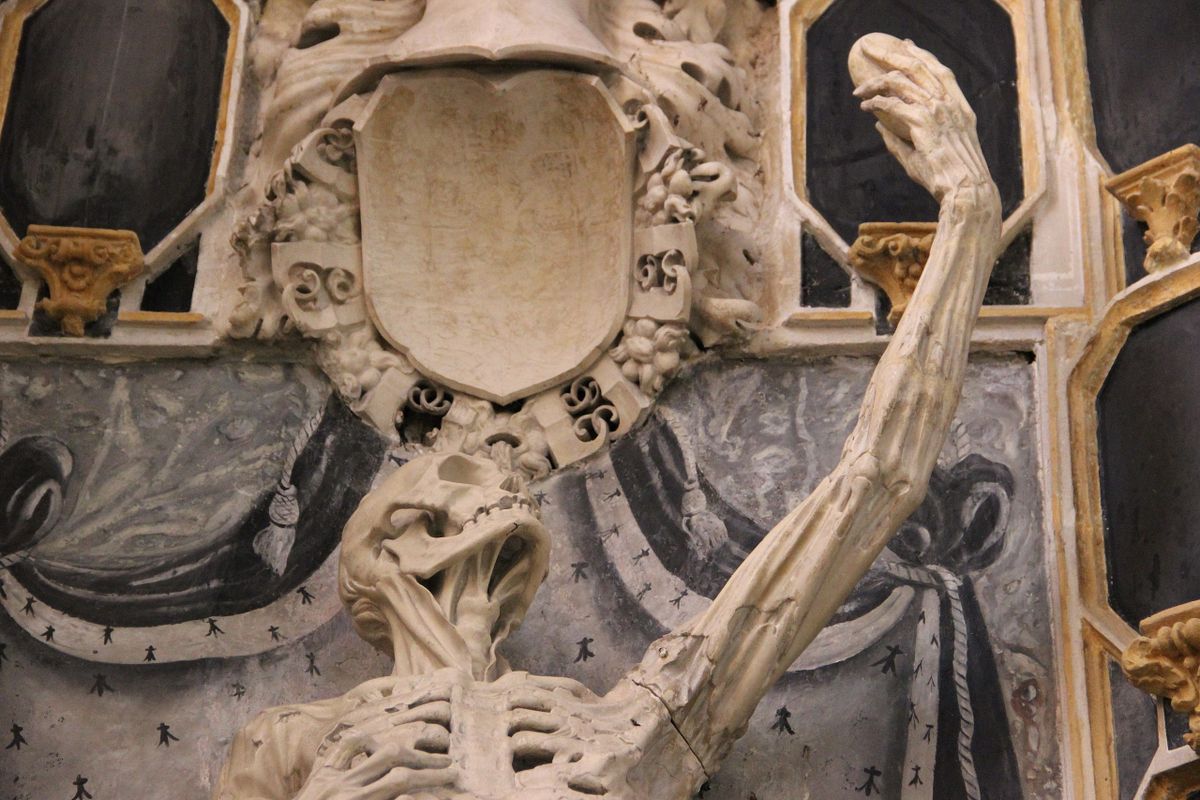
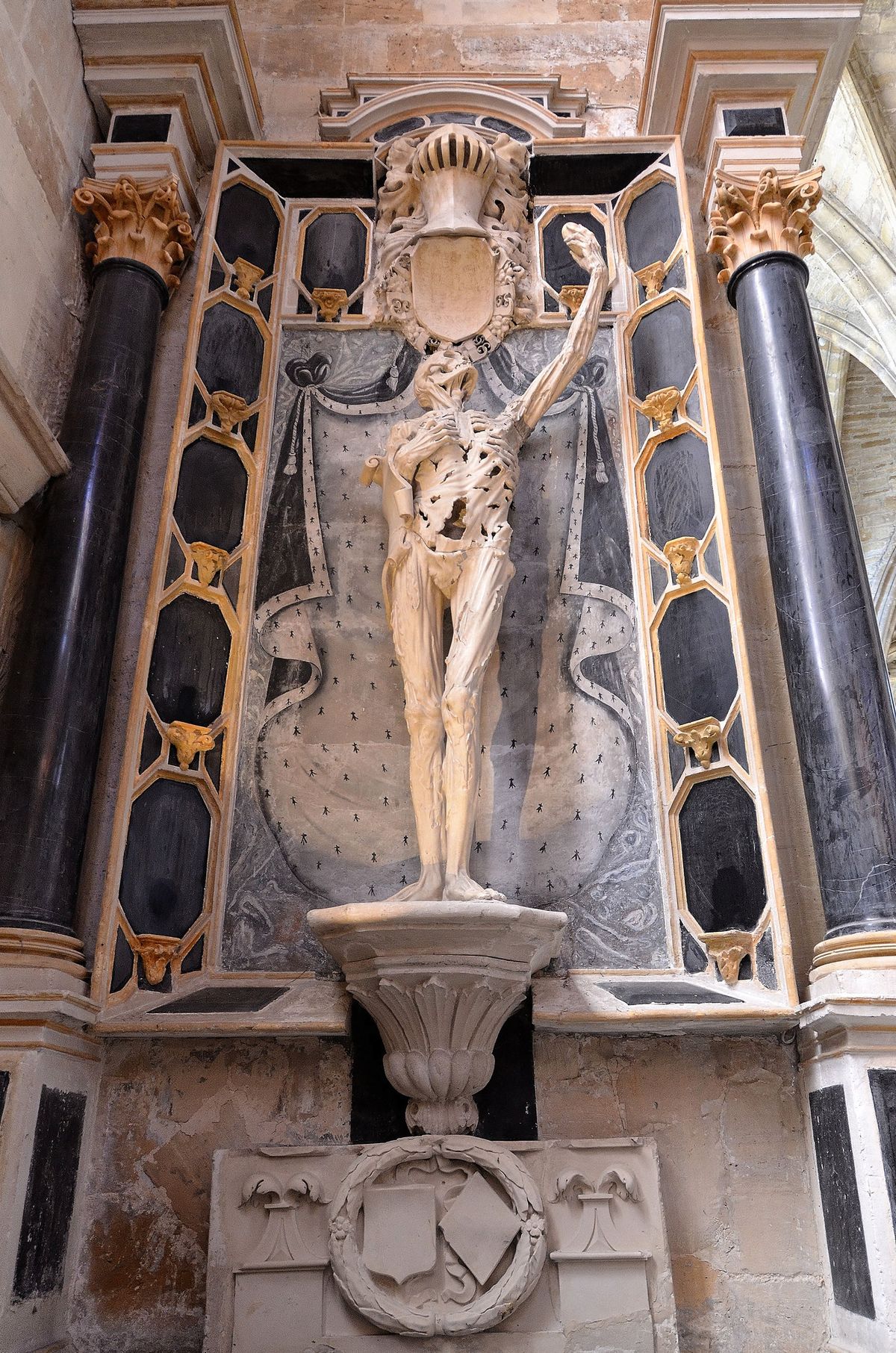
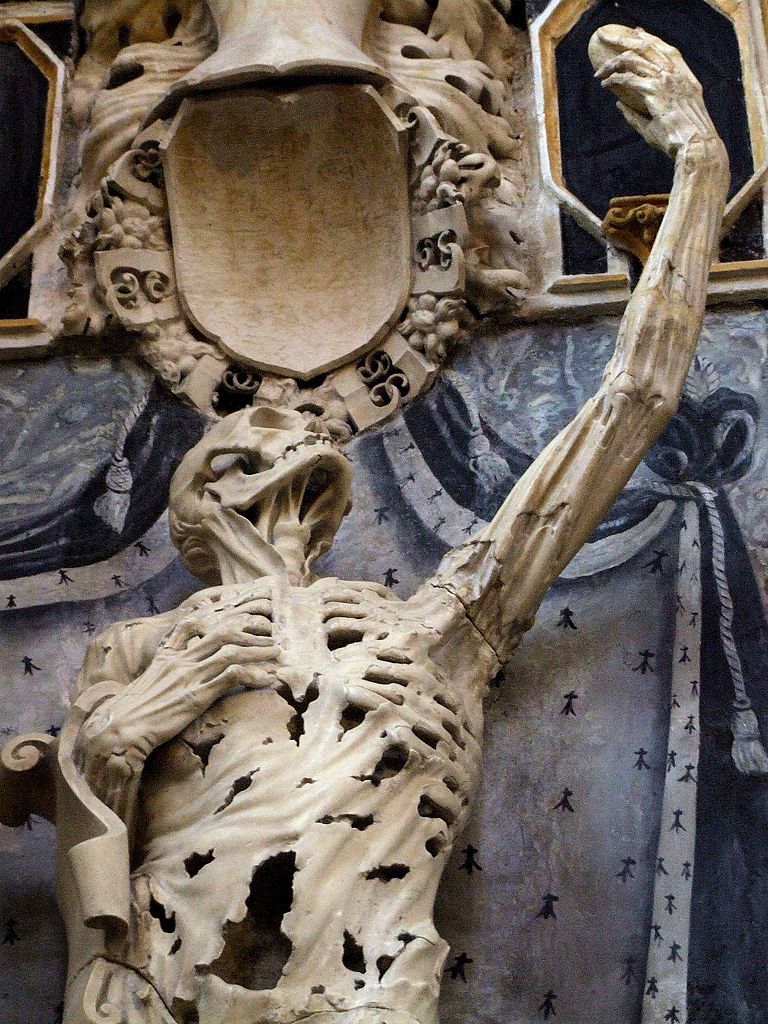
The prince died at the young age of 25 during the siege of Saint-Dizier in 1544. Rather than memorialize him in the standard manly hero form, his wife—or René himself, or possibly both—requested that he be shown as "not a standard figure but a life-size skeleton with strips of dried skin flapping over a hollow carcass, whose right hand clutches at the empty rib cage while the left hand holds high his heart in a grand gesture."
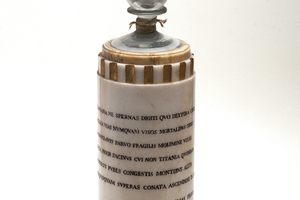
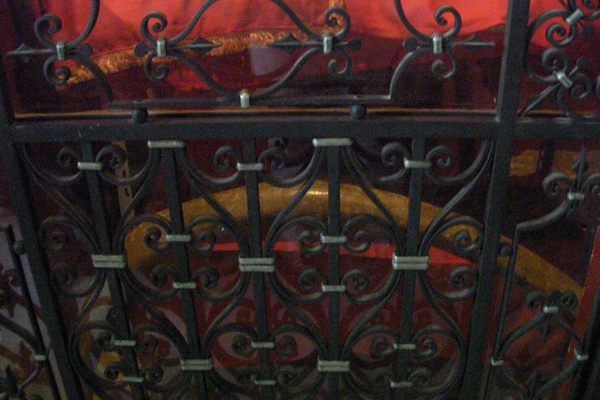
Rendered as a rotting corpse, complete with exposed muscles and skin flaps hanging off of his body, the statue served as a reliquary as well, and once held the prince's actual dried heart, contained in a heart-shaped reliquary in its outstretched hand.
Known as a "transi," the rotting body was a Renaissance form in which the process of decomposition and death was clearly shown as the "transition" from earthly body to decomposition. "Dust to dust," it was a reminder that flesh is temporary and we will all pass into the afterlife—presumably meant to inspire feelings of penitence and a desire to get right with God.
Sculpted by Ligier Richier in 1547, a pupil of Michelangelo, the white stone "Transi de René de Chalon" is one of the finest and most ghoulish of these statues in the world. Sadly, the sculpture no longer contains Chalon's heart; it is believed to have been stolen during the French Revolution.
Related Tags
Community Contributors
Added By
Published
October 24, 2009