AO Edited
The Berkeley Pit
New fungal and bacterial species call this deadly lake home.

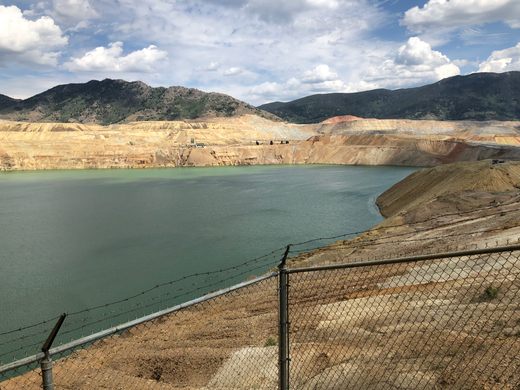
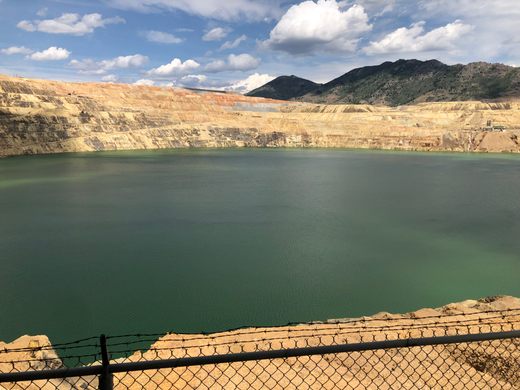
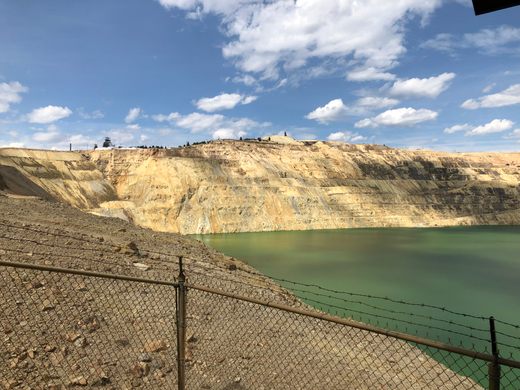
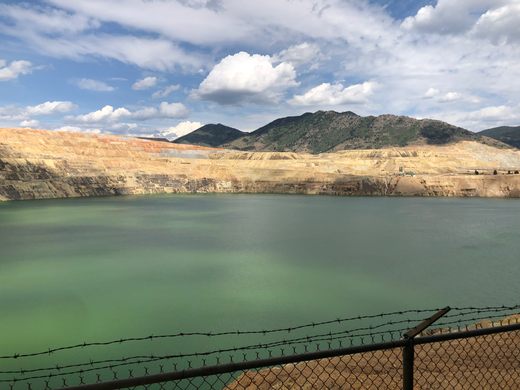
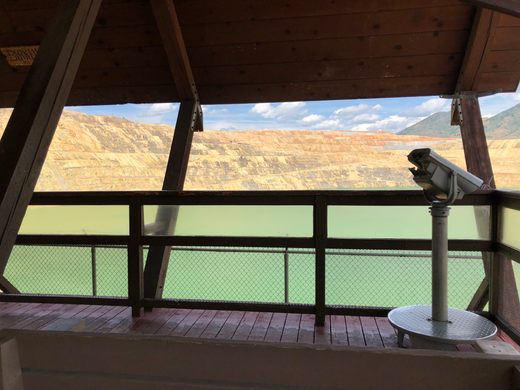
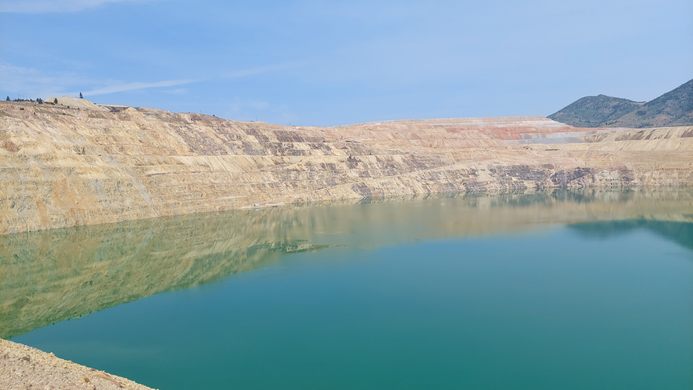
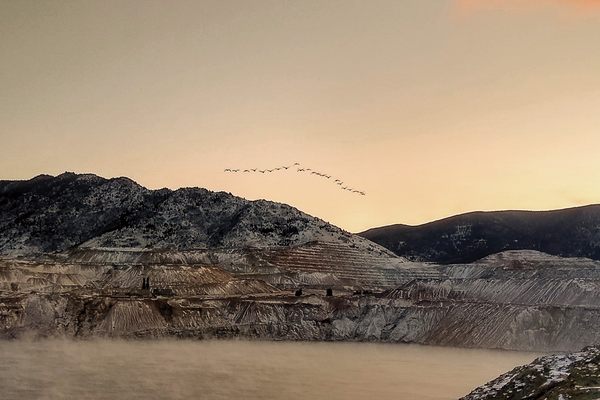

Copper from this former open-pit mine helped to electrify America. Now it is filled with more than 40 billion gallons of acidic water, heavy metals, and unique microscopic lifeforms.
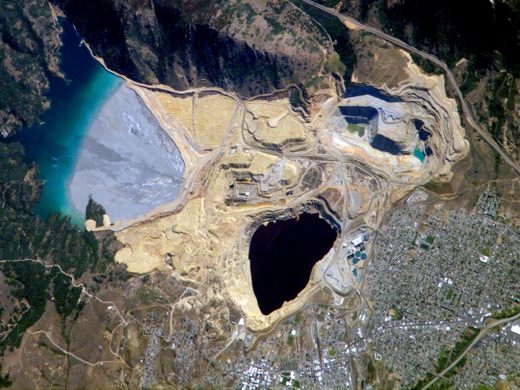
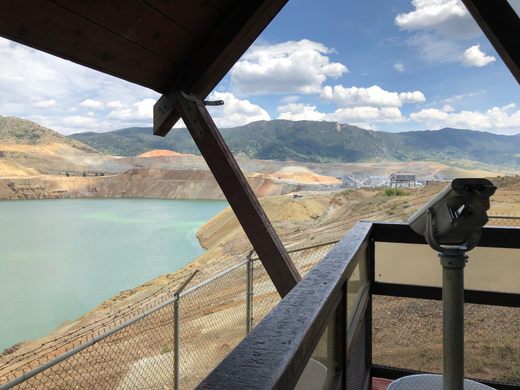
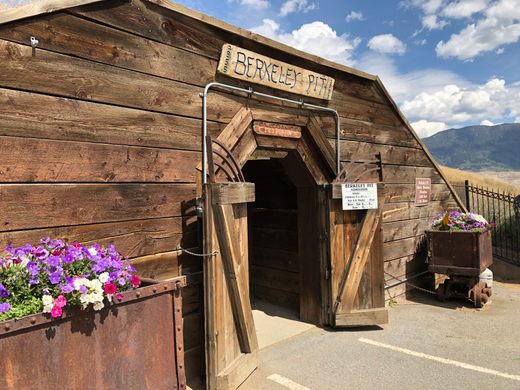
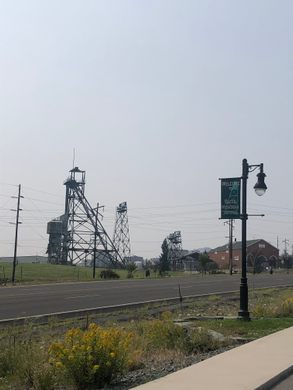
The Berkeley Pit is a former open-pit copper mine in Butte, Montana and now one of the only places in the world where you can pay to see toxic waste. The sheer scale of the site is something to behold. In aerial photos, it appears simply as a huge black splotch.
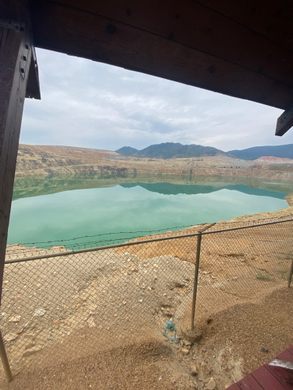
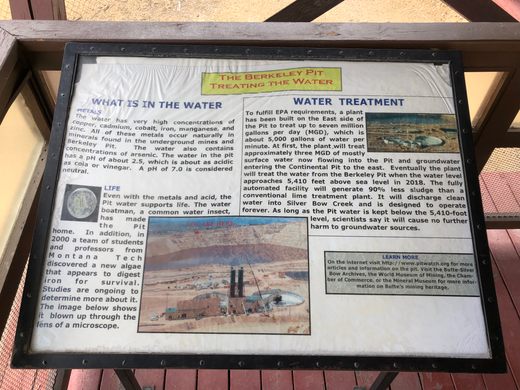
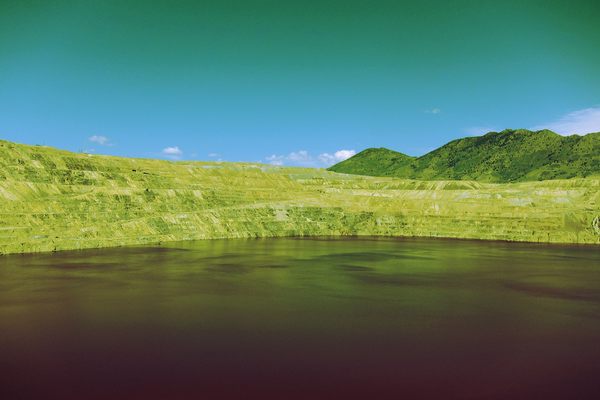
The pit is one mile long by half a mile wide, and over 1,780 feet deep, 1,000 of which are filled with acidic water with high concentrations of heavy metals and toxic chemicals, including copper, iron, arsenic, cadmium, zinc, and sulfuric acid.
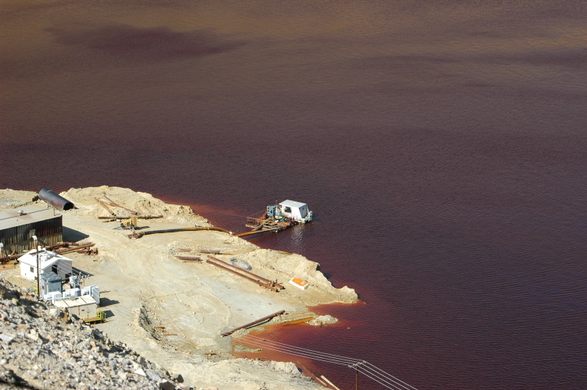
The iron-rich water near the surface is reddish, yielding to a vibrant lime-green hue not far below the surface, where copper concentrations are higher. If you were to drink large amounts of this lovely concoction it would kill you by corroding through your digestive system.
Interestingly enough, new fungal and bacterial species have been found to have adapted to the harsh conditions inside the Pit. Intense competition for the limited resources caused these species to evolve the production of highly toxic compounds to improve survivability, some of which have been isolated from these organisms and show selective activity against cancer cell lines. Currently, research continues.
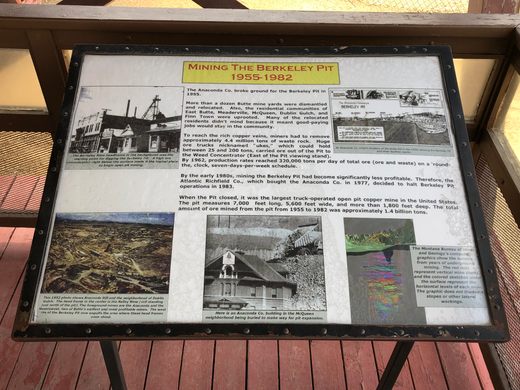
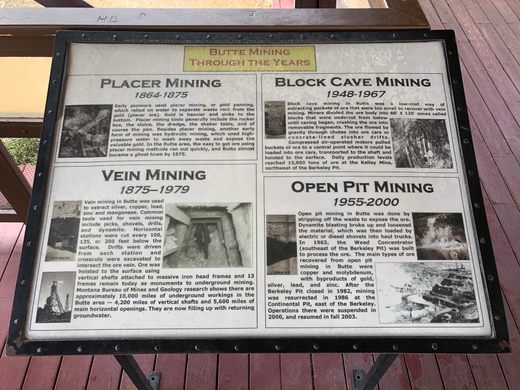
Over the active lifespan of the mine, approximately 320 million tons of ore and over 700 million tons of waste rock were mined from the Pit. In other words, it produced enough copper to pave a four-lane highway two inches thick from Chicago to New York, with enough left over to keep going to the tip of Long Island.
 We explored the Berkeley Pit Mine on Obscura Day - March 20th, 2010. Photos, stories and more here
Know Before You Go
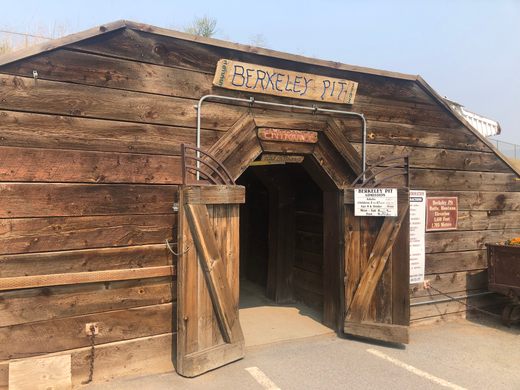
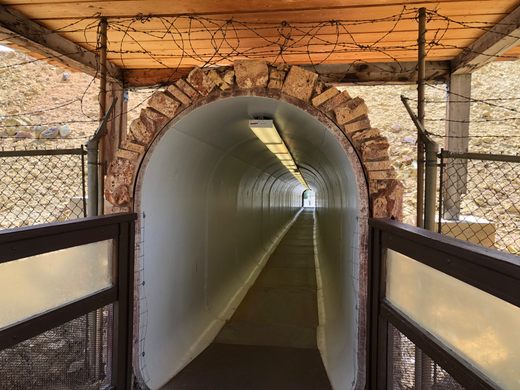
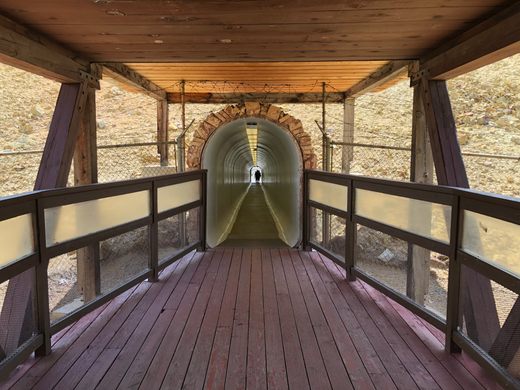
Exit 126 off of I-90. There are signs clearly pointing the way, and ample parking. Viewing stand is open Mon-Sat 8am-8pm and Sun 9am-6pm. Admission is two dollars.


Plan Your Trip
Order Atlas Obscura: Wild Life Today!

Follow us on Twitter to get the latest on the world's hidden wonders.
Like us on Facebook to get the latest on the world's hidden wonders.
Follow us on Twitter Like us on Facebook