Bookmark and Share

Santa Maria della Concezione

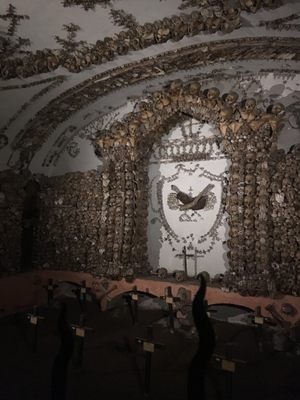
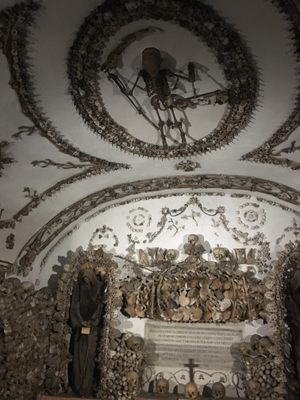
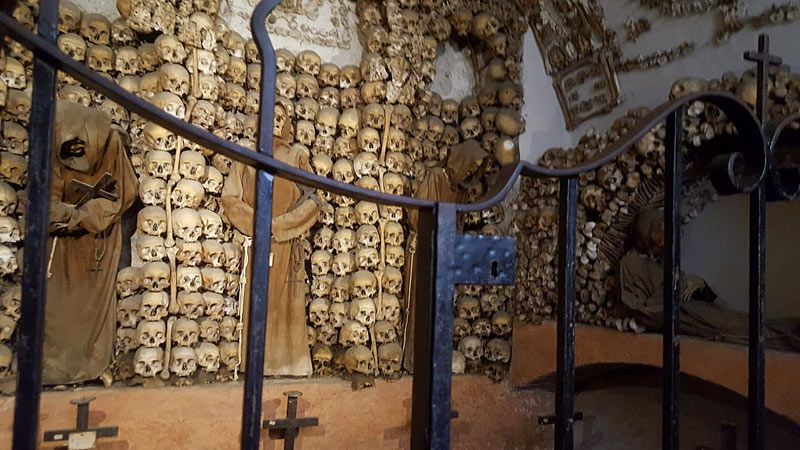
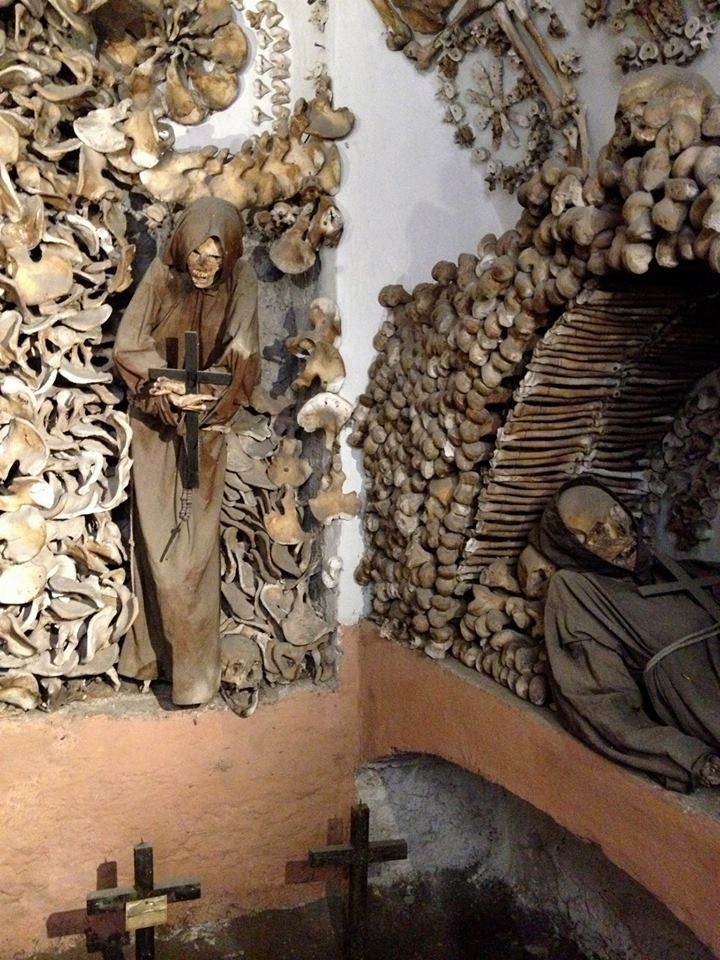
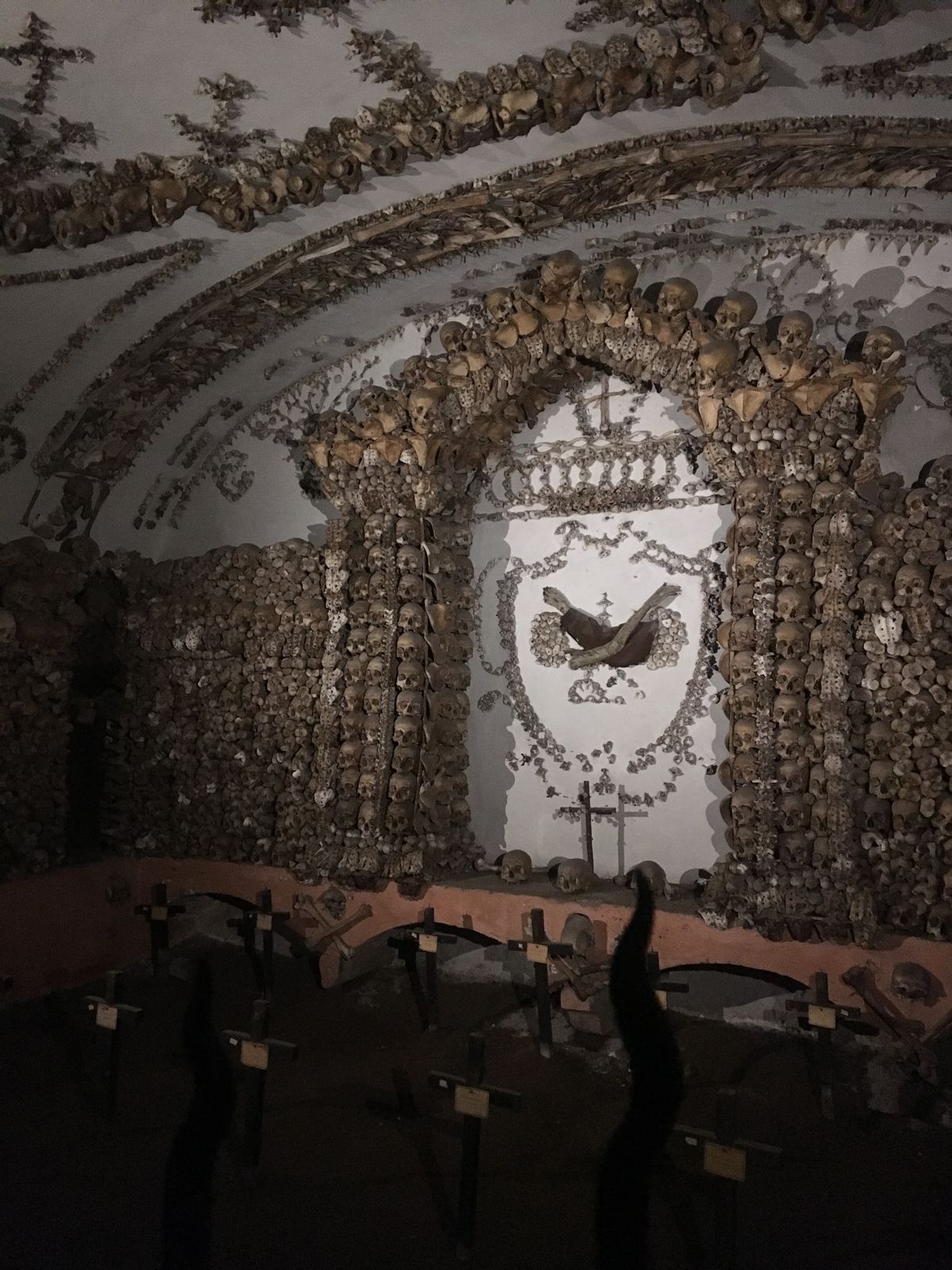
The crypts of Capuchin friars decorated with the bones of over 4000 friars, including an entire "crypt of pelvises"
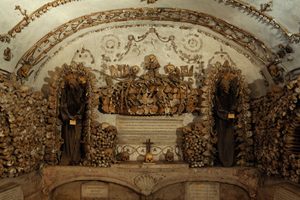
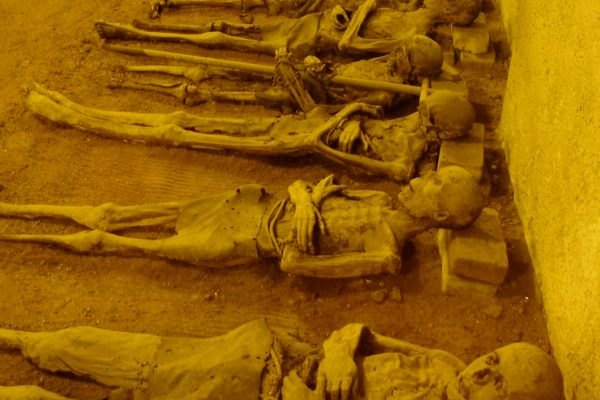
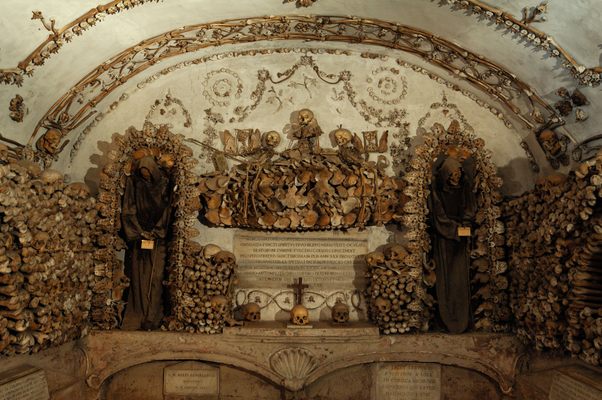
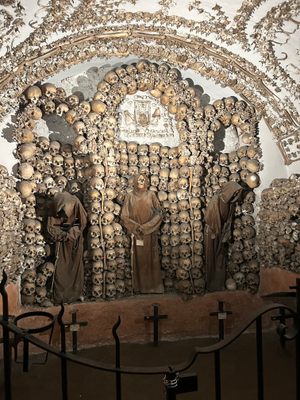
  • Crypt of the Three Skeletons - Santa Maria della Concezione in Rome, Italy

    Click to enlarge. Crypt of the Three Skeletons source

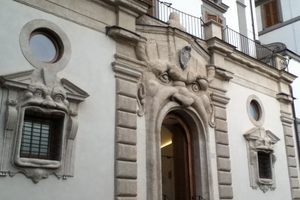
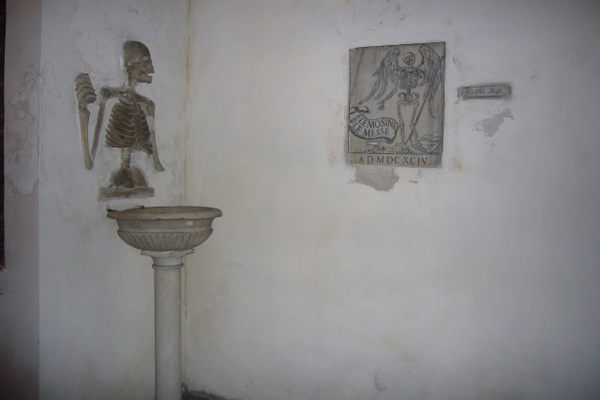
  • Santa Maria della Concezione in Rome, Italy

    Click to enlarge. source

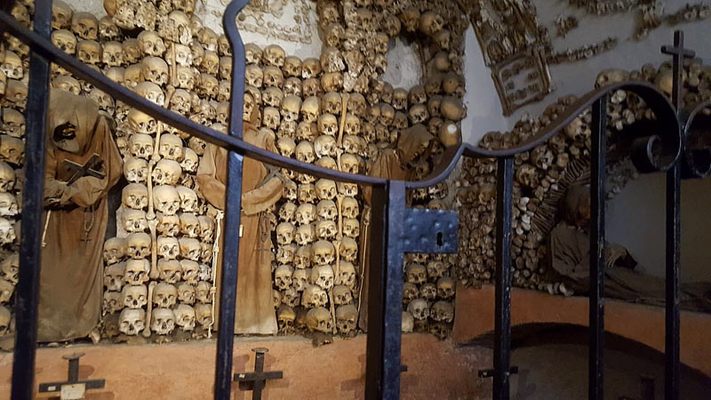
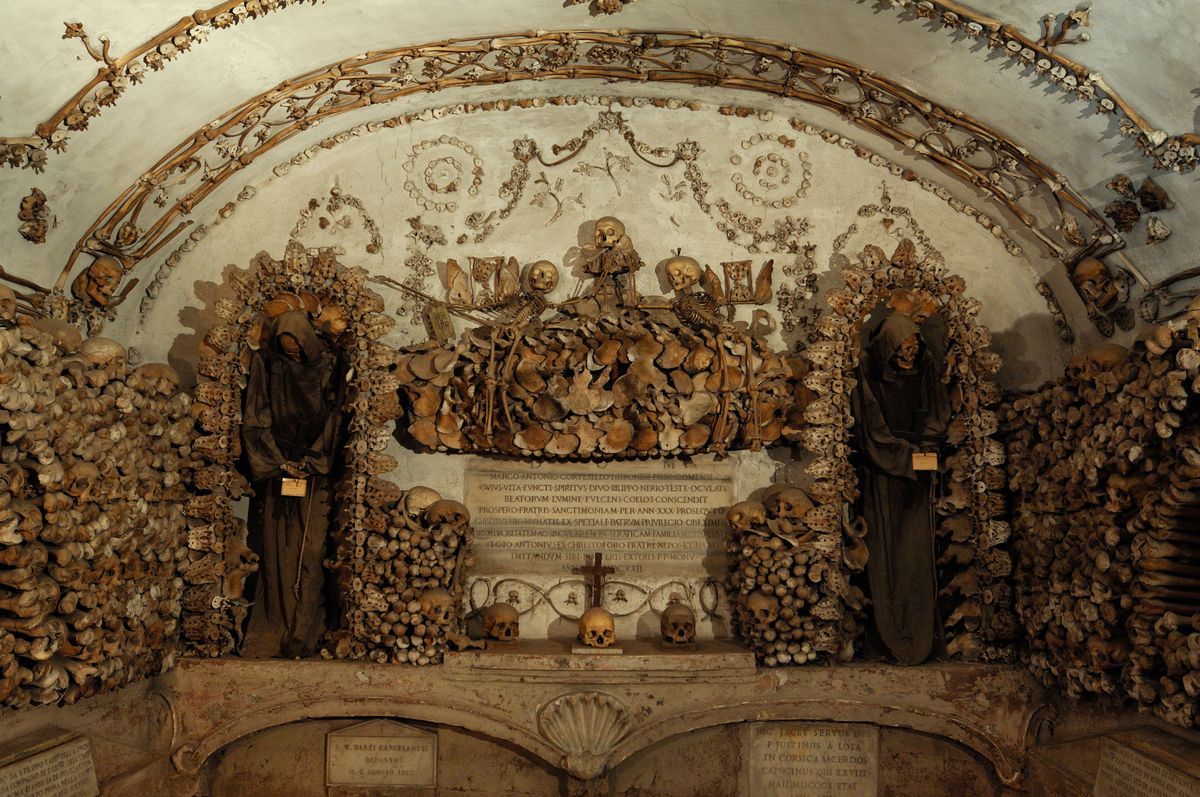
  • Crypt of the Three Skeletons - Santa Maria della Concezione in Rome, Italy

    Click to enlarge. Crypt of the Three Skeletons source

  • Crypt of Skulls - Santa Maria della Concezione in Rome, Italy

    Click to enlarge. Crypt of Skulls source

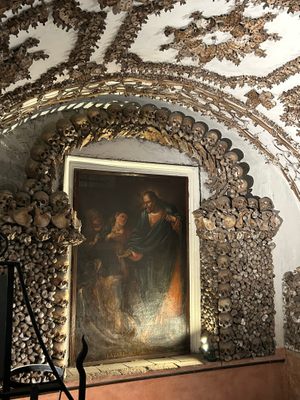
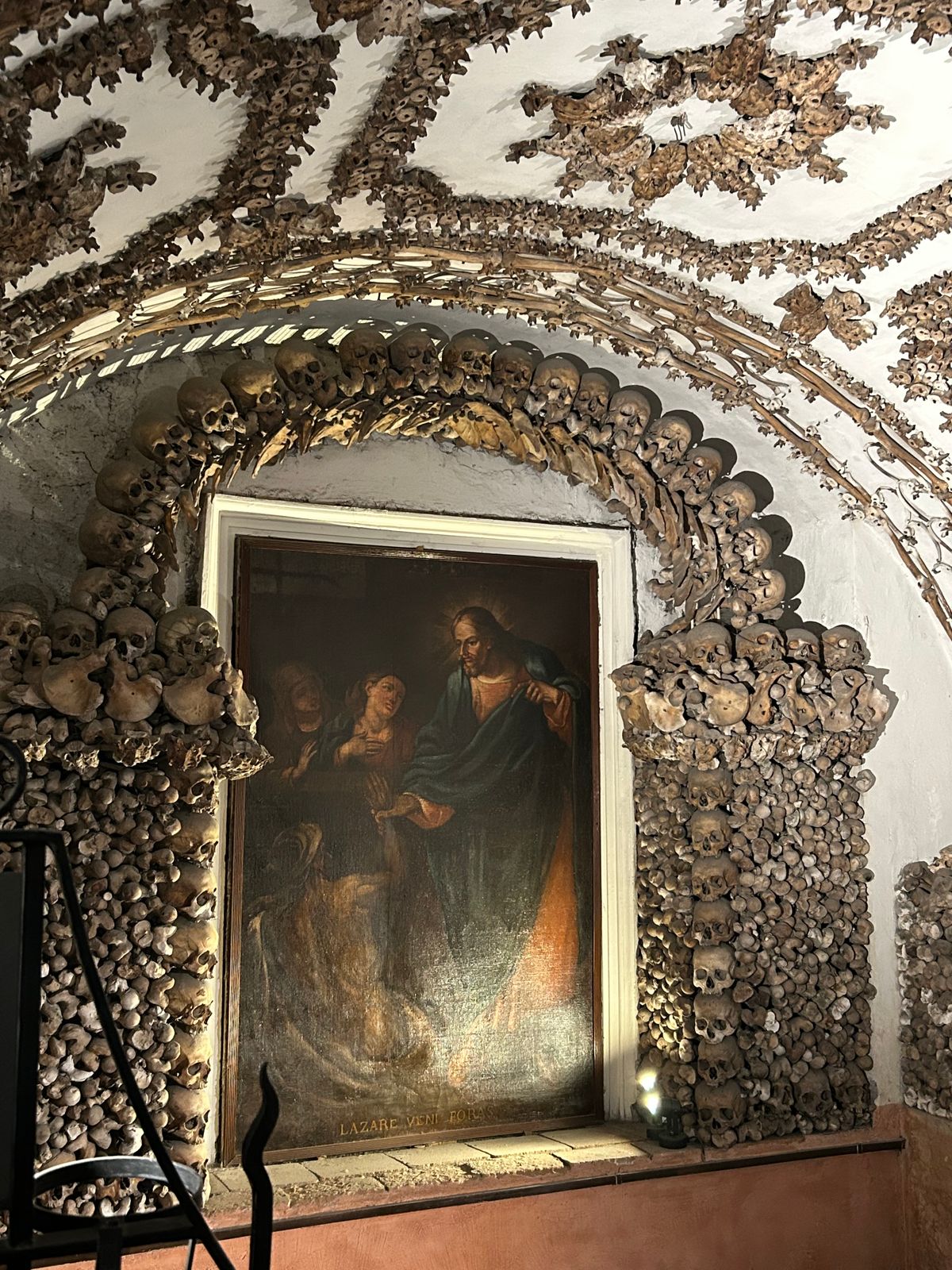
  • Crypt of the Resurrection - Santa Maria della Concezione in Rome, Italy

    Click to enlarge. Crypt of the Resurrection source

  • Crypt of the Leg Bones and Thigh Bones - Santa Maria della Concezione in Rome, Italy

    Click to enlarge. Crypt of the Leg Bones and Thigh Bones source

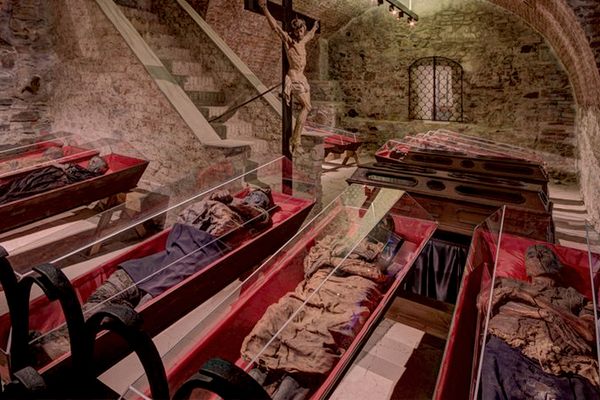
  • Santa Maria della Concezione in Rome, Italy

    Click to enlarge. source

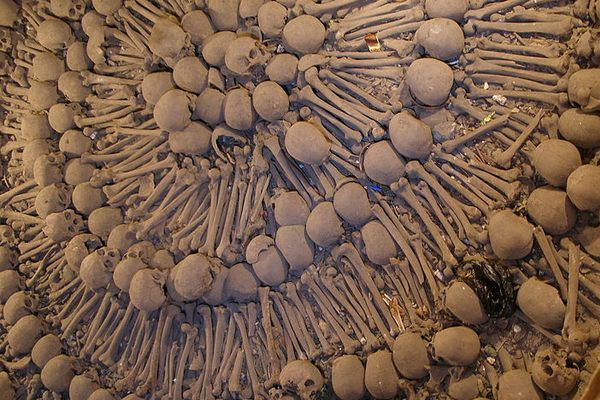
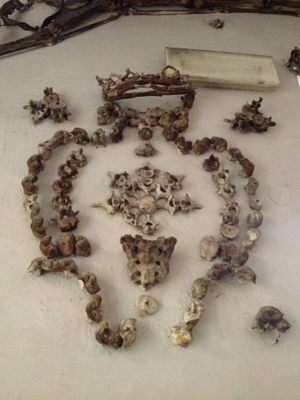
  • The Crypt of Pelvises - Santa Maria della Concezione in Rome, Italy

    Click to enlarge. The Crypt of Pelvises source

Tell your friends on Facebook:
I here

In 1775 the Marquis de Sade wrote of it, “I have never seen anything more striking.” Granted, it was to his tastes.

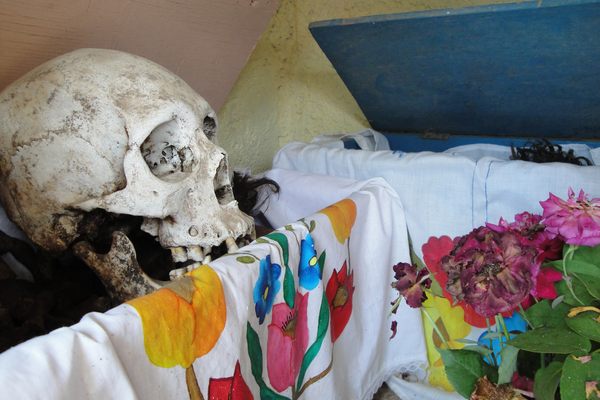
Mark Twain wrote about it in his 1869 book Innocents Abroad. When Twain asked one of the monks what would happen when he died, the monk responded "We must all lie here at last." And lay there they do. Some 4,000 Capuchin friars who died between 1528 and 1870 are still laying, hanging and generally adorning the Santa Maria della Concezione Crypt in Rome.

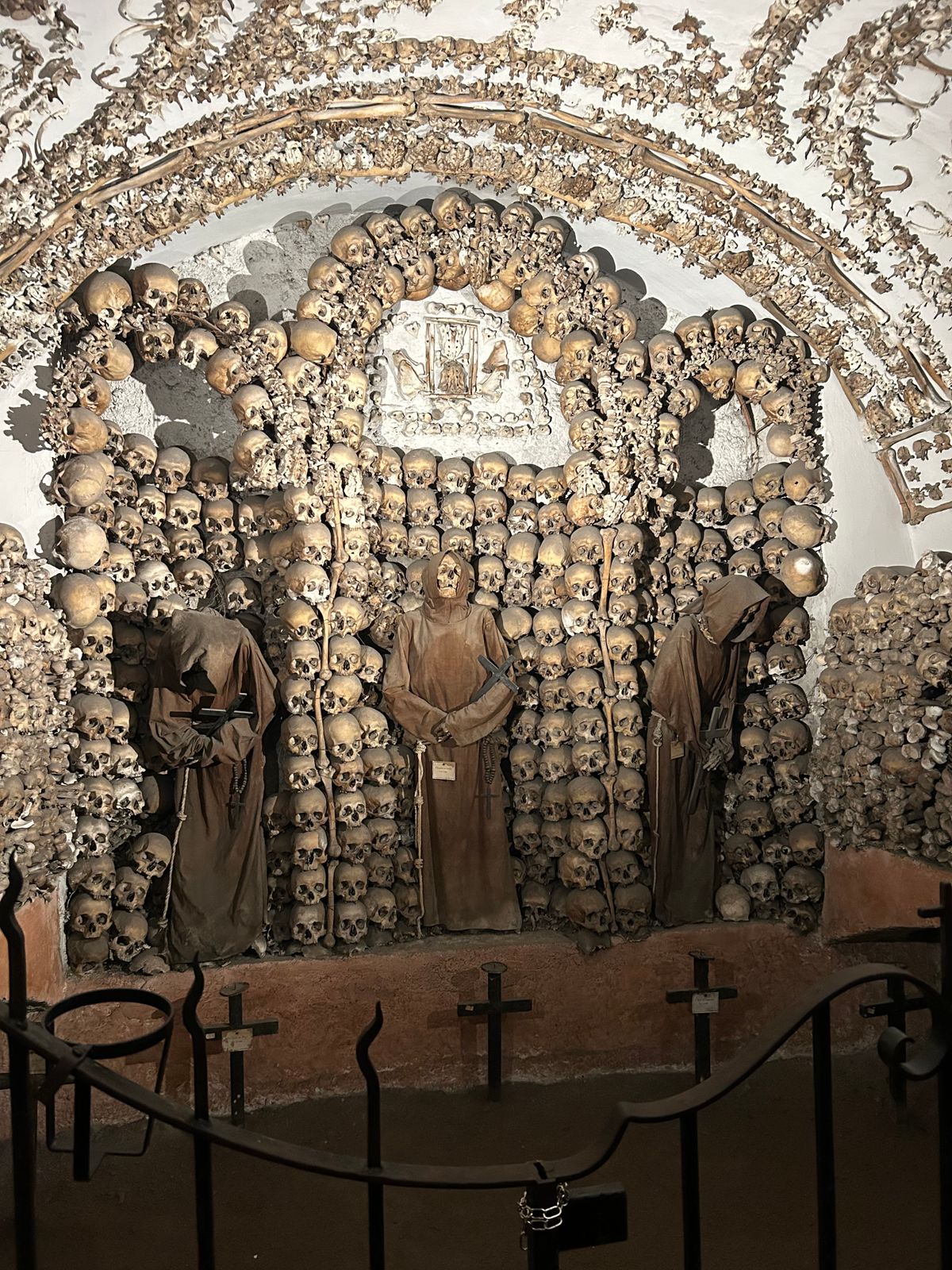
In 1631, the Capuchin friars - so-called because of the "capuche" or hood attached to their religious habit - left the friary of St. Bonaventure near the Trevi Fountain and came to live at the Santa Maria della Concezione, of which only the church and crypt remain. They were ordered by the Pope's brother to bring the remains of the deceased friars along with them to their new home so that all the Capuchin friars might be in one place.

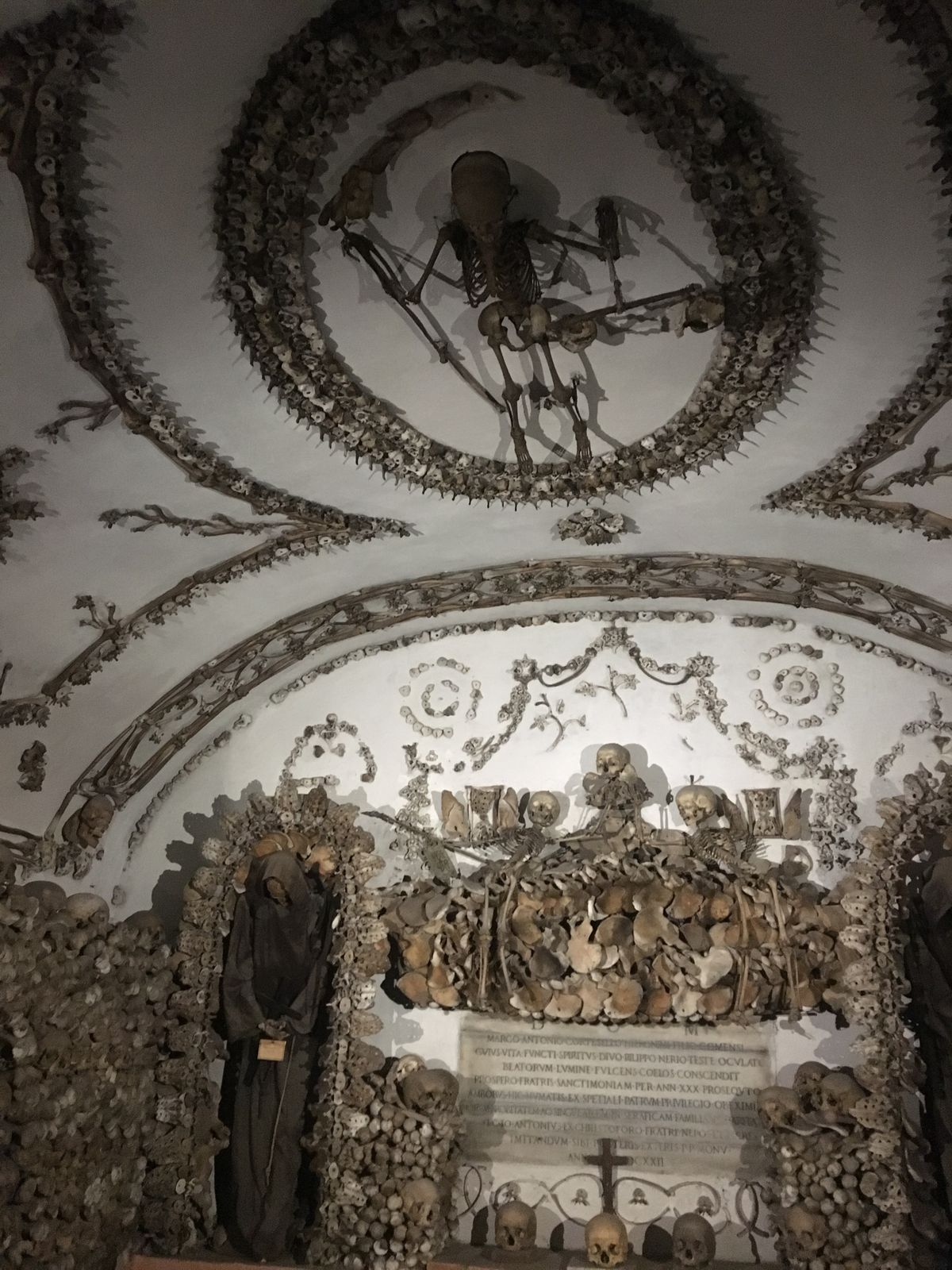
Rather than simply burying the remains of their dead brethren, the monks decorated the walls of the crypts with their bones as way to remind themselves that death could come at anytime; one must always be ready to meet god. A plaque in the crypt reads "What you are now, we once were; what we are now, you shall be."

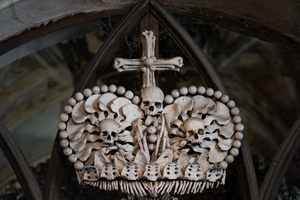
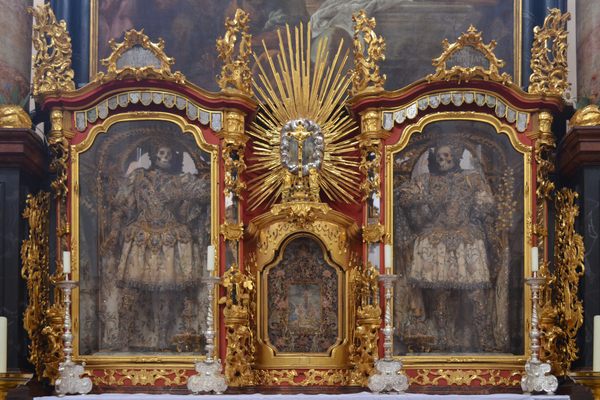
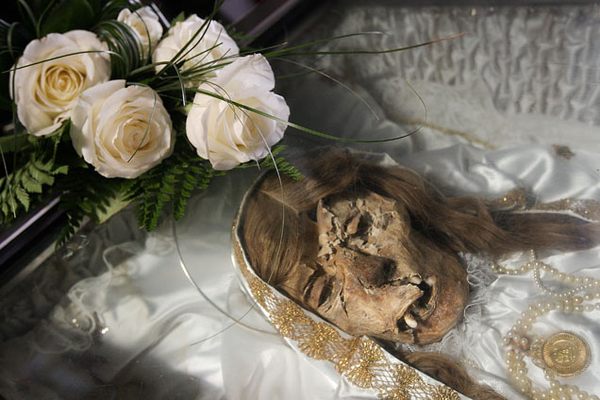
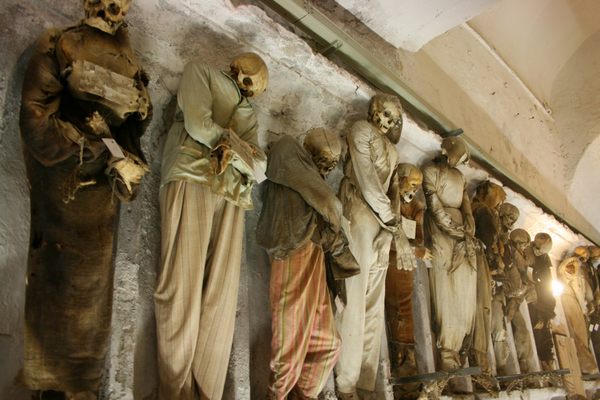
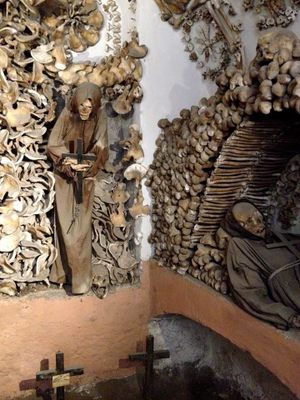
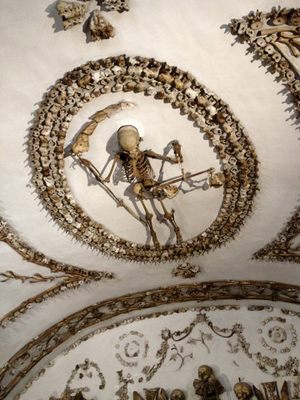
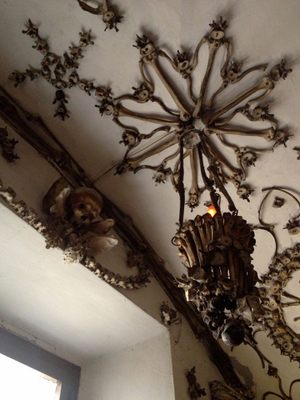
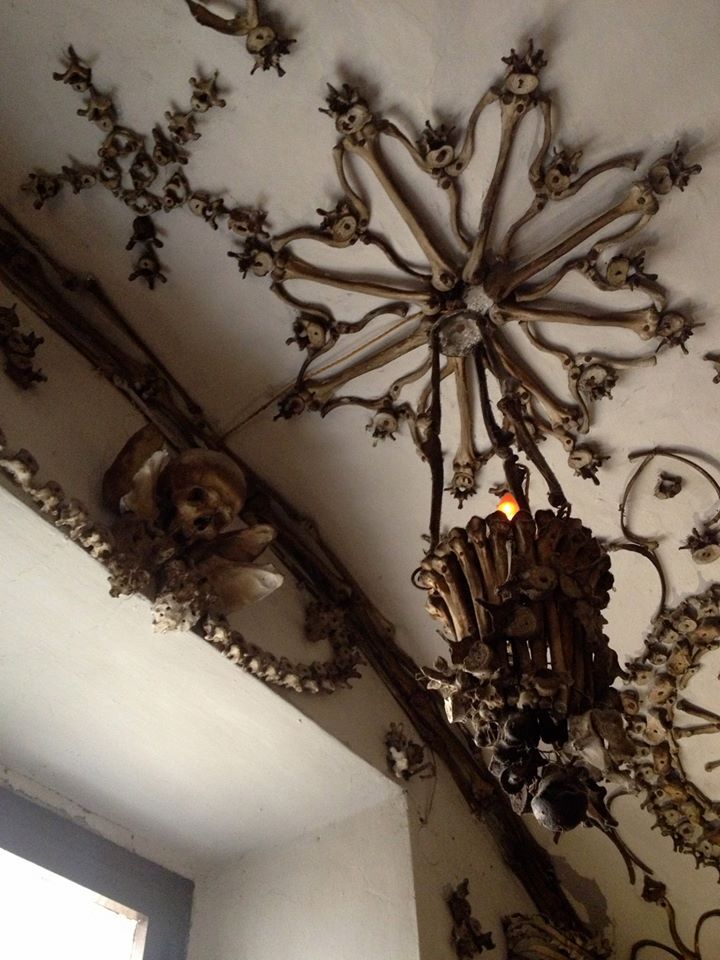
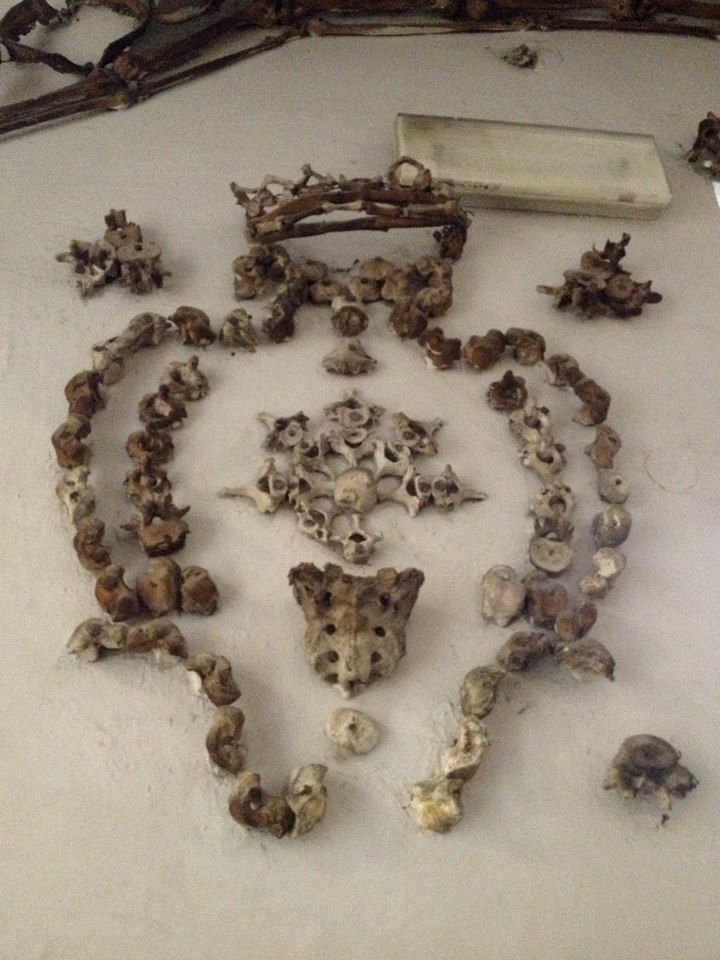
The ossuary contains a crypt of skulls, a crypt of leg bones, and perhaps the oddest, a "crypt of pelvises." Mummified monks were dressed in friar's clothes and hung from the walls and ceiling. With the addition of electricity, light fixtures were incorporated into some of the hanging monks, bringing a new meaning to the phrase "the eternal light."

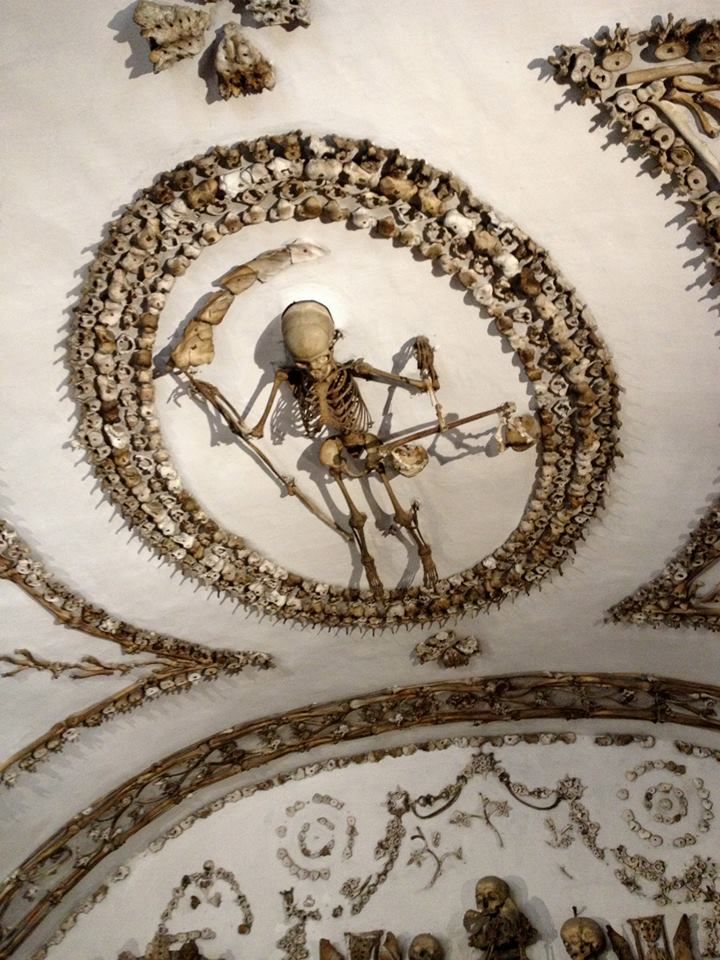
A particular highlight of the crypt is the skeleton enclosed in an oval of bones holding a scythe and scales all made out of, yes, bones. The crypt is said to have been the inspiration for Sedlec Ossuary in the Czech Republic.

The church is free though the urge you to give a donation, and all photography is prohibited.

See an error? Know more? Log-in to edit this place.

Sources

http://en.wikipedia.org/wiki/Capuchin_Crypt_(Rome)
http://en.wikipedia.org/wiki/Santa_Maria_della_Concezione_dei_Cappuccini

Directions / Map

Javascript is required to view this map.

Comments

By Anonymous October 27 2009

Please be aware that, although this crypt is advertised as free, my experience is that they are quite agressive about making sure you pay (€5 if I remember correctly) before being allowed to enter.

By Anonymous October 28 2009

I've been here and it's even more amazing in the flesh (sorry), even the lampshades are made of bones. Although I was disappointed by the gift shop, I'd hoped for some vertebrae napkin rings or a forearm back-scratcher; unfortunately they only had postcards.

Post new comment

Sign in to comment, or comment anonymously.

Warning: Anonymous messages may be held in moderation, and may not be posted immediately. Please consider creating an account and logging in.

  • Web page addresses and e-mail addresses turn into links automatically.
  • Allowed HTML tags: <a> <em> <strong> <cite> <code> <ul> <ol> <li> <dl> <dt> <dd> <h2> <blockquote>
  • Lines and paragraphs break automatically.

More information about formatting options