

About
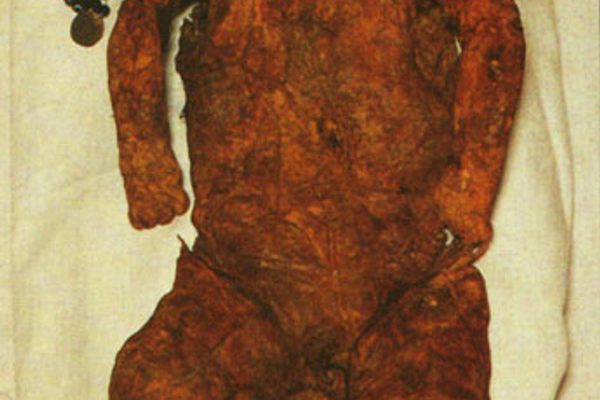
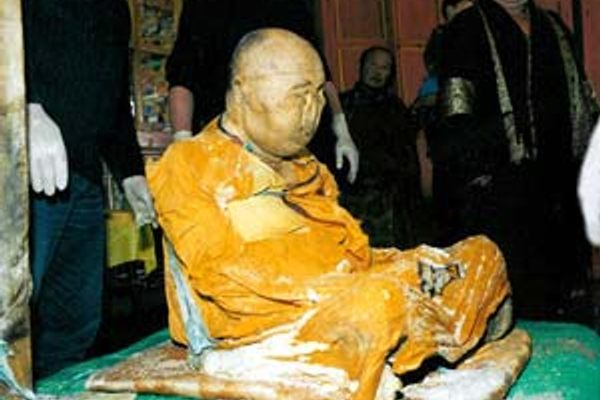
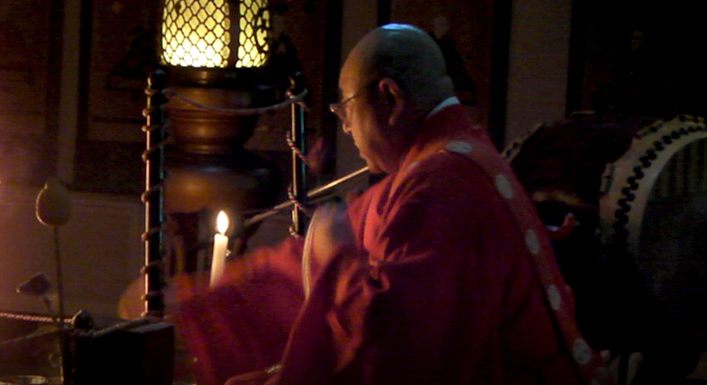
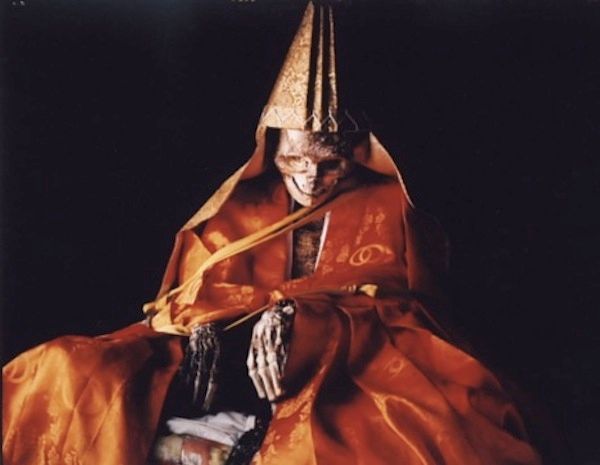
Scattered throughout northern Japan are over two dozen mummified Japanese monks known as sokushinbutsu. Followers of Shugendō, an ancient form of Buddhism, the monks died in the ultimate act of self-denial.
For three years, the priests would eat a special diet consisting only of nuts and seeds, while taking part in a regimen of rigorous physical activity that stripped them of their body fat. They then ate only bark and roots for another three years and began drinking a poisonous tea made from the sap of the urushi tree, normally used to lacquer bowls. This caused vomiting and a rapid loss of bodily fluids, and—most importantly—it killed off any maggots that might cause the body to decay after death. Finally, a self-mummifying monk would lock himself in a stone tomb barely larger than his body, wherein he would not move from the lotus position. His only connection to the outside world was an air tube and a bell. Each day, he rang a bell to let those outside know that he was still alive. When the bell stopped ringing, the tube was removed and the tomb sealed.
Not all monks who attempted self-mummification were successful. When the tombs were finally opened, some bodies were found to have rotted. These monks were resealed in their tombs. They were respected for their endurance, but they were not worshiped. Those monks who had succeeded in mummifying themselves were raised to the status of Buddha, put on display, and tended to by their followers. The Japanese government outlawed sokushinbutsu in the late 19th century, though the practice apparently continued into the 20th.
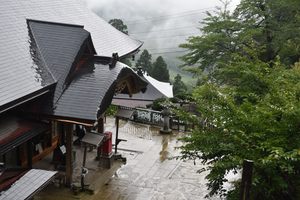
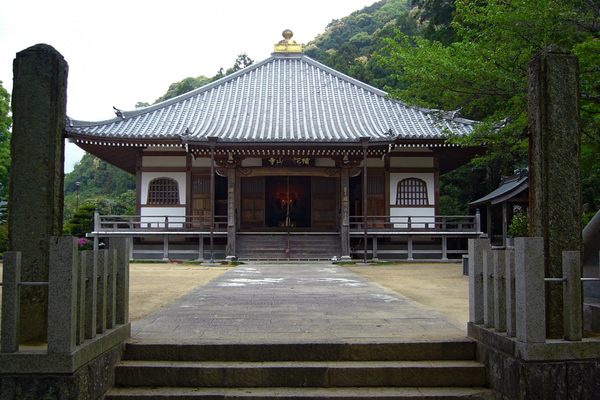
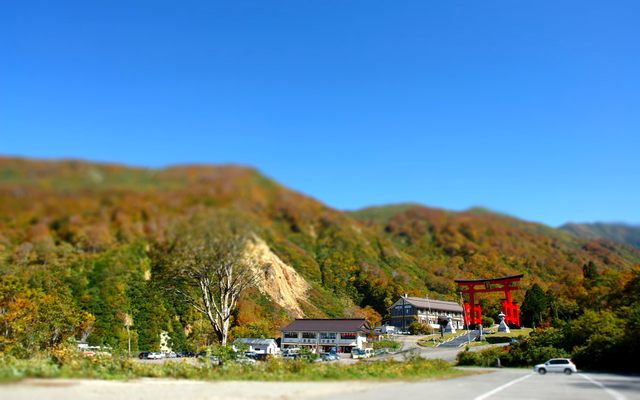
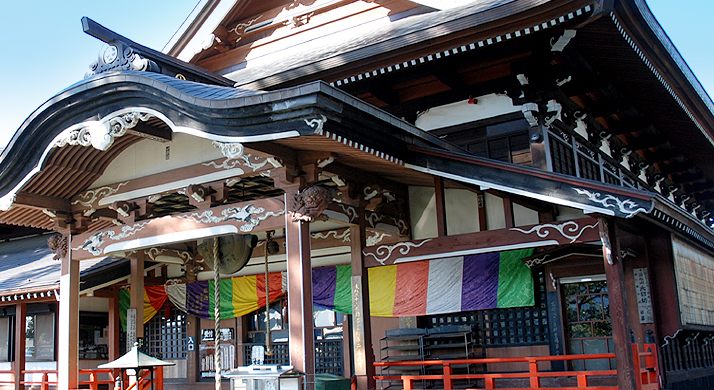
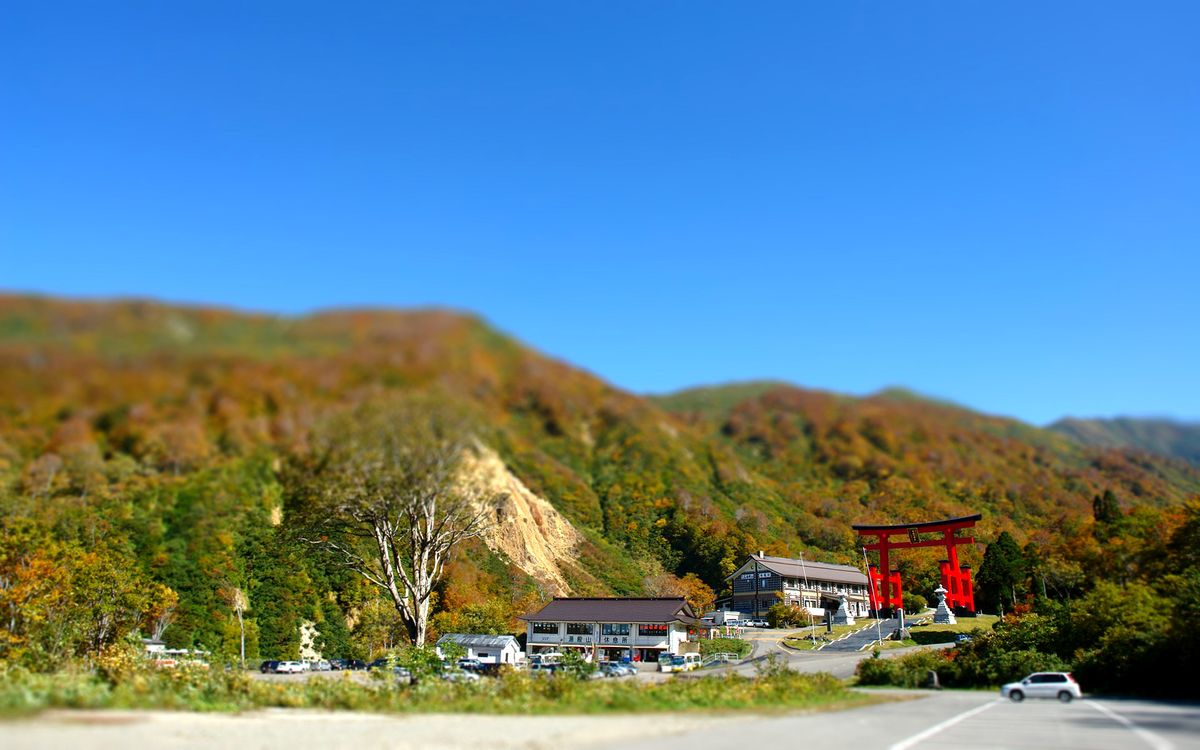
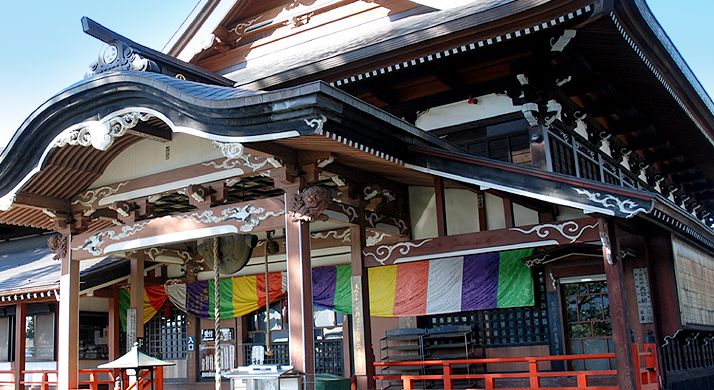
Although roughly 28 of these sokushinbutsu remain, only 16 of them can be visited. The most famous is Shinnyokai Shonin of the Dainichibou Temple on the holy Mount Yudono. The majority of the monks who underwent self-mummification did so near this temple. It has been shown that a local spring had high levels of arsenic, and this may have helped the monks in the mummification process. Others can be found in more banal locations such as in Nangakuji Temple, in the suburbs of Tsuruoka, and at Kaikokuji Temple in the small city of Sakata.
Related Tags
Hidden Japan: Sado Island, Nara & Kyoto
Explore a different side of Japan.
Book NowPublished
April 15, 2010