AO Edited
Mary King's Close
17th century streets hidden under Edinburgh were once a breeding ground for the black death.
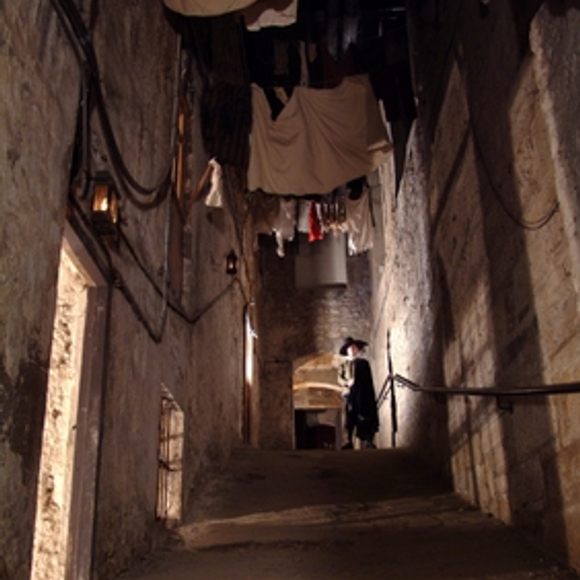
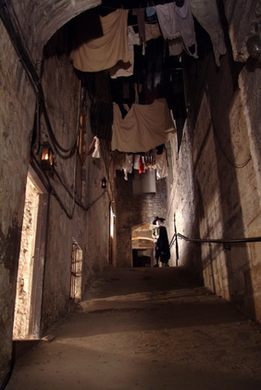
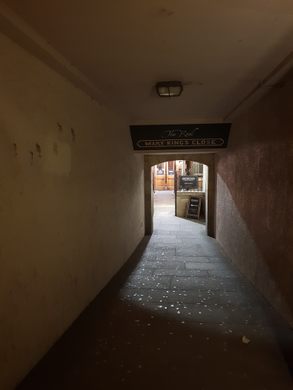
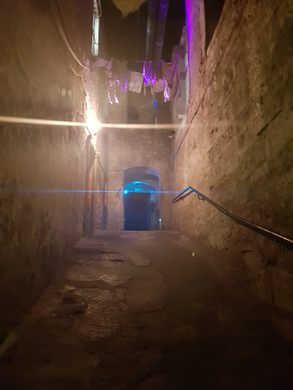
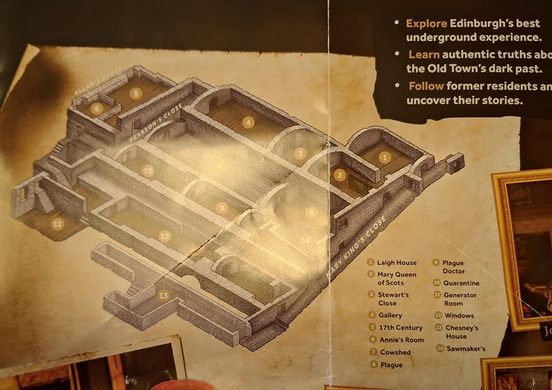
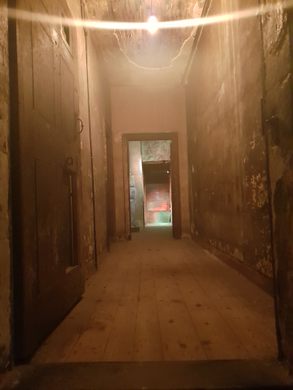
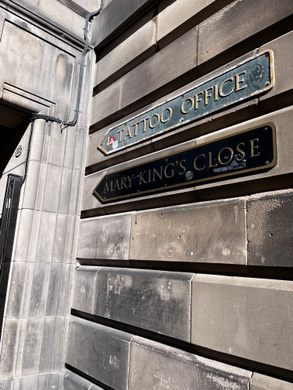

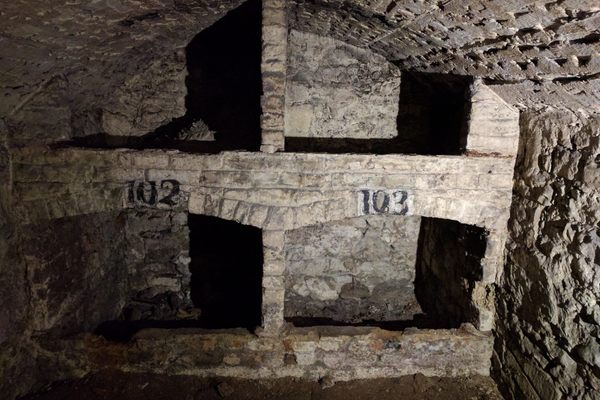
Life in 17th-century Mary King’s Close in Edinburgh was less than sanitary. Inhabitants lived in narrow winding streets, crammed into packed tenements up to seven stories high.
Without a proper sewer system, tenants simply dumped waste into the streets below. Rats ran wild in the close carrying fleas with them everywhere they went. When the fleas became infected with the bacterium Yersinia pestis, better known as the bubonic plague or “The Black Death,” it spelled disaster for the residents of Mary King’s Close.
When the Black Death first appeared on the British Isles, it appeared to be a problem only in the English territories. The Scots delighted in calling it “the foul death of the English.” Soon, however, the rats, fleas, and bacteria had made their way to Scotland. The country lost a quarter of its population to the scourge. In the tight quarters of Mary King’s Close, the disease was particularly devastating.
There is a persistent myth that in an effort to quarantine the victims, Edinburgh city officials sealed off Mary King’s Close in 1644, leaving some 600 inhabitants to perish inside without hope.
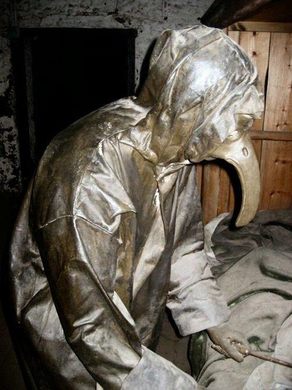
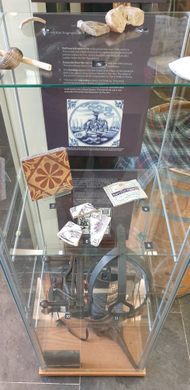
In reality, the plague victims were well cared for, and the town council managed the outbreak efficiently and compassionately. Families healthy enough to be moved were taken to Burgh Muir. Those who weren’t able to be moved let the workers know by putting up white flags in their windows so that food and coal could be delivered to their doorsteps. The plague doctor, George Rae, then came into the town wearing leather from head to toe and a bizarre bird-shaped mask to help protect him from the disease. (It worked; the leather kept the fleas from biting Rae and he survived the outbreak.) To save a plague victim, Rae would slice off the top of the victim’s sore and jam a red-hot poker into the wound to cauterize it. While no doubt horrible, the technique did indeed save lives.
After the plague had passed, tenants continued to live in Mary King’s Close up until the beginning of 20th century, when it was emptied and sealed up. The last person to leave, did so in 1902. The Royal Exchange was built on top of it and the close was forgotten. It wasn’t rediscovered until workmen digging on the street above accidentally punched down into the winding streets. The closes were used as bomb shelters during WW II.
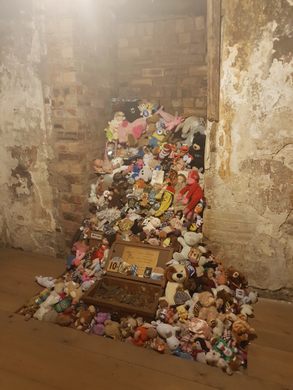
Beginning in the 1990’s, Mary King’s Close has become a popular tourist site, with guided tours by historical reenactors, and attracts those interested in its macabre history and many ghost stories. One of the most famous ghosts supposed to live here is a 10-year-old girl named Annie who died of the plague. Believers report temperature changes and feeling a strange presence in her room. Many have left toys, dolls, and sweets for her in the close.
Tours are given seven days a week, all year long (excluding Christmas Day) with special events throughout the year, including a look into what Christmas would be like in the close’s prime.
Know Before You Go
Directions for how to get to the close for different types of transportation can be found on the official website. The walking tour is just over an hour, it will cover very uneven surfaces in near darkness, including several sets of stairs, steep grades, low ceilings and doorways.
Wear suitable footwear. The tour is not wheelchair accessible and may not be suitable for those with limited mobility or problems with confined spaces. Children under 5 are not permitted.


The Atlas Obscura Podcast is Back!



Follow us on Twitter to get the latest on the world's hidden wonders.
Like us on Facebook to get the latest on the world's hidden wonders.
Follow us on Twitter Like us on Facebook